Thinking about trading your New Haven home for life closer to the water? It can be an exciting step, but waterfront in New Haven County comes with a different set of rules, costs, and day-to-day realities than many move-up buyers expect. If you are considering Branford, Guilford, or Madison, this guide will help you understand what changes, what questions to ask, and how to shop with clarity. Let’s dive in.
Shoreline Market Moves Faster
If you are moving up from New Haven to the shoreline, the first adjustment is often the pace. As of late May 2026, New Haven averaged $335,062 with 143 homes for sale and a median 10 days to pending, while Branford averaged $467,298 with 75 homes for sale and 7 days to pending.
That pattern gets even tighter as you move east. Guilford averaged $634,914 with 59 homes for sale and 5 days to pending, and Madison averaged $721,812 with 65 homes for sale and 6 days to pending.
These are town-wide numbers, not waterfront-only figures, but they still tell you something important. Shoreline inventory is more limited, prices are higher, and desirable homes can move quickly.
For you, that means your search has to be focused. It helps to know in advance which trade-offs matter most, such as commute, flood exposure, water access, or lot size.
Waterfront Means Different Things
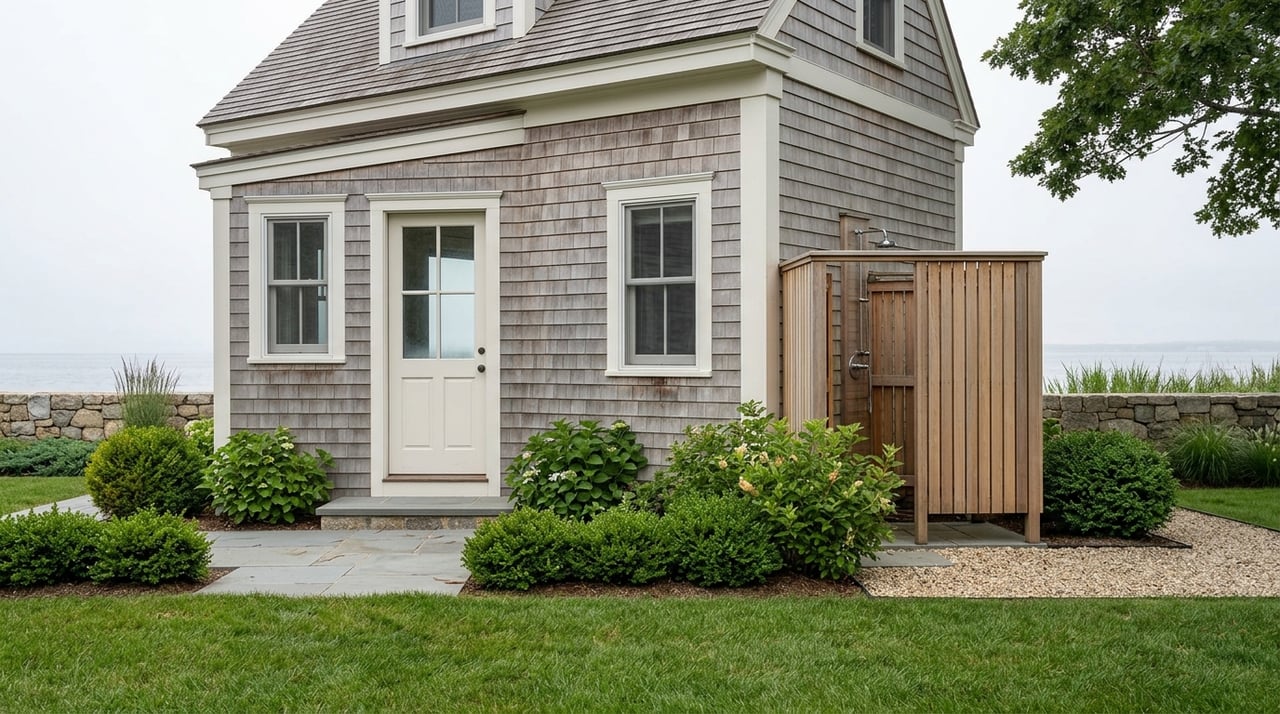
One of the biggest surprises for move-up buyers is that not every “waterfront” experience is the same. A water view, deeded access path, private dock, and direct shoreline frontage can sound similar in a listing, but they are very different in practice.
In Connecticut, land waterward of mean high water is held in trust for the public. Coastal property owners may have reasonable access to navigable water, but that does not mean they own or control the beach or water in front of the home.
That distinction matters when you compare properties. If your goal is paddle access, boating, beach use, or a quiet view, each of those priorities may point you toward a different type of shoreline home.
Before you fall in love with a listing, make sure you understand exactly what is included with the lot. The shoreline lifestyle can be wonderful, but clarity upfront saves frustration later.
Permits Matter on the Water
The closer a property gets to true waterfront, the more important permit history becomes. In Connecticut, DEEP regulates activities in tidal wetlands and in tidal, coastal, or navigable waters.
That can include docks, bulkheads, and other shoreline structures. New residential docks or changes to existing docks may require permits, and shoreline flood-and-erosion control structures are strictly regulated and generally discouraged unless necessary.
For a move-up buyer, this changes the inspection mindset. You are not only evaluating the house itself, but also any shoreline improvements and whether future work may be limited or require approvals.
If a property has a dock, seawall, or other waterfront feature, ask for documentation early. The goal is to understand what exists, what was approved, and what may affect your plans down the road.
Flood Risk Is Part of the Budget
A waterfront purchase is not just a lifestyle upgrade. It is also a different operating model, and flood risk is a major part of that equation.
Connecticut’s Insurance Department says standard homeowners and renters insurance do not cover flood damage. It also notes that flood insurance is required for homes in high-risk flood zones when the mortgage is government-backed.
Even if a home is not right on the water, risk can still be part of the picture. The state says that 25% to 40% of flood losses occur outside designated flood zones.
That is why smart buyers look beyond the list price. You want to understand possible flood insurance costs, lender requirements, and how flood exposure could affect monthly carrying costs.
Lower Levels Need Extra Attention
Many shoreline homes have lower levels, crawlspaces, or ground-level enclosures. Connecticut’s flood insurance guidance notes that coverage for these areas can be limited on elevated homes.
That can affect how you use the space and how you plan for storage, finishes, and future updates. A finished lower level may look appealing during a showing, but it is worth understanding how it functions in a flood-prone setting.
This is one area where practical due diligence matters more than emotion. What works inland may not translate the same way near the coast.
Shoreline Ownership Requires Ongoing Upkeep
Connecticut DEEP says storms, flooding, erosion, and climate change affect the shoreline. The state’s 2025 environmental reporting also notes that sea level rise can increase erosion and lead to more frequent and severe flooding.
That does not mean every waterfront home is a poor fit. It means you should approach the purchase with a realistic mindset about maintenance, resilience, and long-term ownership costs.
For many buyers, the right framing is simple: waterfront can be a major quality-of-life upgrade, but it usually comes with a resilience budget. That may include higher insurance costs, more monitoring of shoreline conditions, and a more careful approach to improvements.
When you compare homes, do not just compare finishes and views. Compare the likely effort and cost of owning each property over time.
Commute Reality Still Counts
For New Haven buyers considering Branford, Guilford, or Madison, the shoreline can be a workable commuter choice. All three towns have Shore Line East stations, with service running seven days a week and connections at New Haven Union Station to Metro-North for travel toward southwestern Connecticut and Grand Central.
That said, a shoreline commute is not only about the train map. It is also about whether your household can live comfortably with rail schedules, service disruptions, and backup driving plans.
This is where lifestyle and logistics have to match. A beautiful waterfront or near-water home may not feel beautiful on a Tuesday morning if the daily routine becomes harder than expected.
Before making an offer, test the commute in real life if you can. Drive it, check the station routine, and think through school, work, and activity schedules in a normal week.
Resale Potential Looks Different Here
Current market data suggests that shoreline towns in this part of New Haven County already command higher prices and move faster than New Haven overall. That supports the common view that well-located waterfront and near-water homes remain desirable.
Still, resale is not automatic. The strongest future demand usually depends on a smart mix of location, water access, flood exposure, and overall usability.
For example, two homes may both be marketed around the waterfront lifestyle, but one may have easier access, a better commute setup, or fewer practical ownership complications. Those differences can matter later when you sell.
As a move-up buyer, the goal is not just to buy more house. It is to buy the right combination of lifestyle and practicality for both your present needs and future flexibility.
Questions To Ask Before You Buy
As you narrow your search, keep these questions front and center:
- Is the property in a FEMA Special Flood Hazard Area?
- Will the lender require flood insurance?
- What exactly is included with the lot and shoreline access?
- Are there existing docks, moorings, bulkheads, or seawalls?
- Were those features properly permitted?
- How vulnerable is the lower level or ground-level space?
- How will the commute work on ordinary weekdays, not just on paper?
These questions can help you compare properties more clearly. They also help you avoid paying a premium for a version of waterfront that does not truly match how you want to live.
Buy the Waterfront Lifestyle That Fits You
The best shoreline move is usually not the one with the flashiest listing photos. It is the one that lines up with your budget, your tolerance for upkeep, your commuting needs, and the kind of water access you will actually use.
For some buyers, that means direct frontage. For others, the smarter move is a near-water home with easier ownership, less exposure, and a better everyday routine.
If you are moving up from New Haven, the good news is that you do not need to guess your way through it. With the right guidance, you can separate true value from waterfront marketing language and buy with confidence.
If you are weighing shoreline options in Branford, Guilford, Madison, or nearby coastal towns, Jennifer Gurnell can help you evaluate water access, flood considerations, commute fit, and the details that matter most in a waterfront move-up purchase.
FAQs
What should New Haven County move-up buyers know about waterfront definitions?
- Waterfront can mean very different things, including water views, access paths, docks, or direct shoreline frontage, and those do not all provide the same rights or experience.
What should Connecticut shoreline buyers ask about flood insurance?
- Ask whether the property is in a FEMA Special Flood Hazard Area, whether the lender will require flood insurance, and how flood risk may affect your monthly ownership costs.
What should New Haven buyers know about shoreline permits?
- Buyers should ask whether docks, bulkheads, seawalls, or other shoreline structures exist and whether they were properly permitted through Connecticut DEEP.
What should move-up buyers expect from Branford, Guilford, and Madison market conditions?
- Compared with New Haven, these shoreline towns have higher average home values, lower inventory, and faster pending times, so buyers should be prepared for a more competitive search.
What should waterfront buyers consider about commuting from shoreline towns?
- Branford, Guilford, and Madison have Shore Line East service with connections in New Haven, but buyers should still test how train schedules and backup driving plans fit their real daily routine.