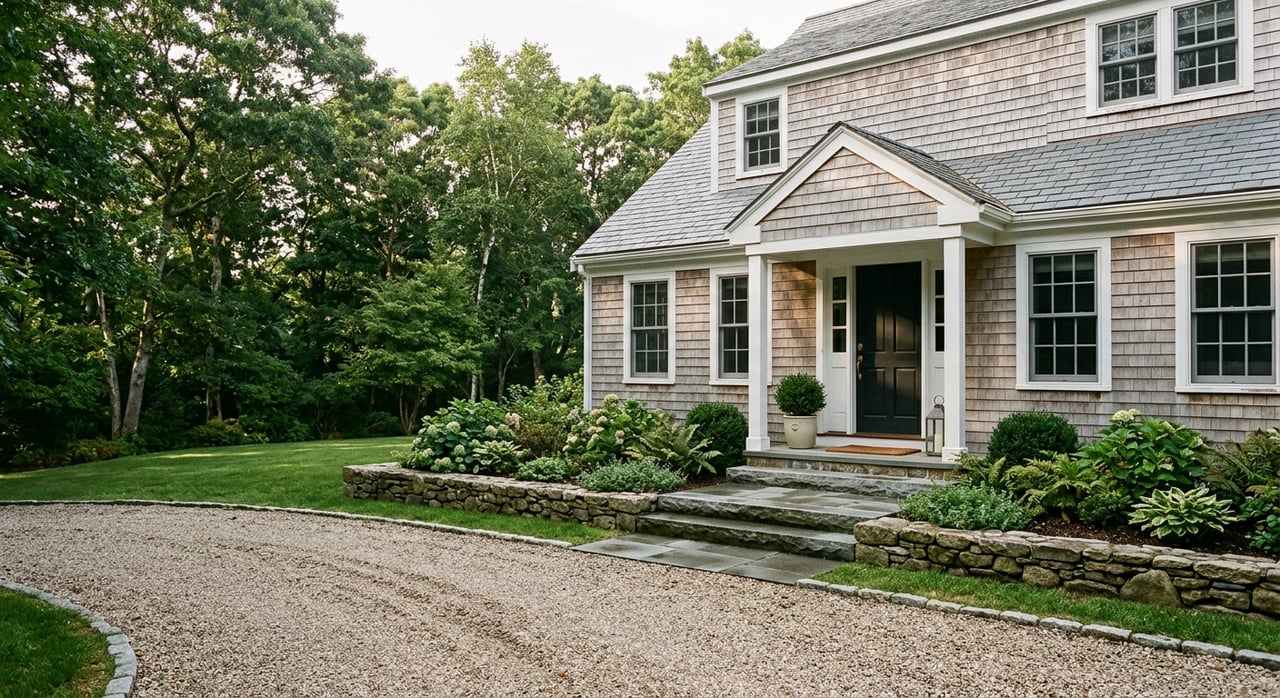
If you are drawn to Essex, CT, you are probably not looking for just any house. You are choosing a lifestyle, and in Essex that choice often comes down to three distinct settings: village, riverfront, or country. Each offers a different feel, price range, and day-to-day experience, so understanding the difference can help you focus your search with more confidence. Let’s dive in.
How Essex Is Organized
Essex is a 12-square-mile town made up of three historic villages: Centerbrook, Essex, and Ivoryton. Each has its own Main Street and civic identity, which gives the town a layered feel instead of one single center.
The town’s 2026 to 2036 Plan of Conservation and Development says future growth should stay focused on the historic villages and central district while preserving open space and key natural resources. For you as a buyer, that matters because it helps explain why some parts of Essex feel compact and walkable while others feel more private and spread out.
Essex’s history also still shows up in its housing. Essex Village grew around the Connecticut River and harbor, Centerbrook began with agricultural roots, and Ivoryton developed as an industrial company town. That background continues to shape everything from lot patterns to home styles.
Essex Market Snapshot
At a townwide level, Essex sits in an active market with a wide pricing range. As of June 30, 2026, Zillow shows an average Essex home value of $647,233 and a median list price of $785,800.
Realtor.com places the median listing price at $775,000 and the median days on market at 34. That suggests buyers are still seeing movement, not a stagnant market, especially when a property is well positioned for its setting.
Village Homes in Essex
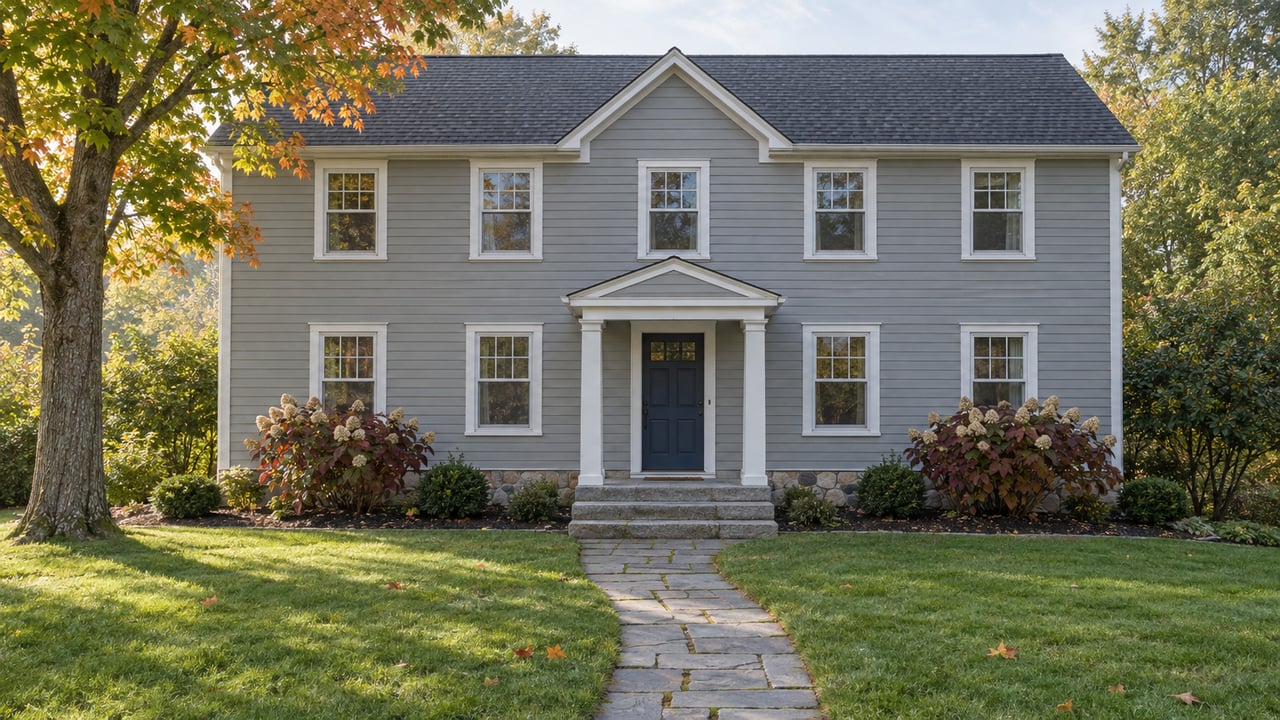
If you picture classic New England streets, historic architecture, and a close-in feel, village living may be what pulls you in most. In Essex, this option centers on the compact historic fabric of the village districts, especially Essex Village.
What village living feels like
Essex Village is set on a peninsula on the west bank of the Connecticut River. The historic district includes a Georgian core on Main Street, along with 19th-century Cape Cod and Greek Revival homes, plus later Victorian, revival, and Craftsman examples.
That mix creates one of the town’s strongest sense-of-place experiences. You are not just buying a home in this setting. You are buying into a streetscape with architectural continuity and a distinctly historic feel.
Why village homes feel more compact
Zoning helps explain why village living feels tighter and more connected. In Essex Village, the district allows a 0-foot front setback, a 15,000-square-foot minimum lot size, and a 60-foot minimum width.
Those standards support a more compact layout than you will find inland. In practical terms, you may get less yard space and less privacy than in country settings, but you gain a more close-in environment with strong visual character.
Village home prices
Essex Village has been one of the higher-priced segments in town. Zillow shows an average home value of $794,465 for Essex Village.
Current active listings also show the range within this submarket. Recent examples include homes listed at $625,000, $795,000, $1.595 million, and $2.195 million. That tells you village living can span from relatively accessible historic ownership to premium properties with standout location or character.
Who village living may fit best
Village homes often appeal to buyers who want:
- Historic character
- A tighter streetscape
- Shorter distances within the village setting
- A more traditional New England feel
If your priority is charm, architecture, and a central setting, this may be your best match.
Riverfront Homes in Essex
For many buyers, Essex is all about the water. If boating, sailing, dock access, or strong river views sit high on your wish list, the riverfront segment offers a very different experience from the village and inland areas.
What makes Essex riverfront unique
Essex is widely associated with boating and sailing, and the harbor system is a major part of that identity. According to the Harbor Management Commission, Essex Harbor extends from Deep River to Old Saybrook and includes coves, anchorages, navigational channels, about eleven public access points, the Main Street dock and launch ramp, and Bushnell Access small-vessel storage.
That setup gives river-oriented properties a clear lifestyle advantage for buyers who want to be close to the water in a practical, not just scenic, way. In Essex, riverfront living is tied to how people actually use the harbor.
Riverfront zoning and due diligence
The zoning structure also reflects this water focus. The Waterfront Business District allows marine services, marinas, wharves, yacht clubs, and nonprofit maritime museums.
The River Road Residential District allows private boat landings and other open-space uses and requires a 130,000-square-foot minimum lot area with 10 percent building coverage. Essex also has a Coastal Management District, which means shoreline work can trigger additional coastal-site review.
For you as a buyer, that means riverfront purchases often come with more property-specific review than inland homes. If dock potential, moorings, access, or shoreline changes are part of your plan, those details deserve careful attention early in the process.
Riverfront price ranges
Riverfront homes sit at the top of the Essex price ladder. Current River Road listings include homes at $1.125 million, $1.15 million, and $7.889 million.
Land along the water is also scarce and expensive. Current waterfront land listings include 0.29 acres at $725,000 and 1.02 acres at $995,000, which shows how much value buyers place on direct water orientation.
Who riverfront living may fit best
Riverfront homes may be the right fit if you prioritize:
- Water views
- Boating or sailing access
- Dock or mooring potential
- Scarcity and long-term lifestyle value
If your vision of Essex starts with the river, this segment usually delivers the strongest connection to that lifestyle.
Country Homes in Essex
If your ideal home means more land, more privacy, and more separation from neighbors, Essex’s country settings may offer the best fit. This side of town is less about one look or one price point and more about flexibility.
Where country living shows up
Outside the village and river edges, Essex still has a more rural side. Centerbrook’s agricultural roots and Ivoryton’s village-and-industry history helped create a broader mix of home sites, lot sizes, and housing patterns.
The town’s long-term planning also supports preserving open space while concentrating growth in the village and central areas. That helps maintain the lower-density feel in many inland sections.
Why inland homes feel more private
The zoning makes the difference clear. Village Residence lots must be at least 60,000 square feet, Rural Residence lots must be at least 80,000 square feet and may include farming-related uses, and River Road Residential lots must be at least 130,000 square feet.
As you move away from the village cores, these standards generally create more separation between homes. For buyers, that often means a quieter setting, more yard area, and a wider range of property types.
Country home prices
This is the most variable segment in Essex. Recent inland examples on Book Hill and Pond Meadow have been in the roughly $400,000 to $490,000 range, while newer or larger inland homes have been listed near $959,750 and $1.795 million.
Recent sales also show that land can be part of the appeal. An 11.68-acre Bushy Hill parcel sold at $350,000, and a 3,476-square-foot Bushy Hill home sold at $847,000. That spread shows how much the inland market depends on acreage, house size, and overall setting.
Who country living may fit best
Country homes may be the best match if you want:
- More privacy
- Acreage or larger lots
- Greater separation between homes
- More flexibility in property type
Compared with village living, this option is typically less walkable, but it offers the broadest range of parcel sizes and layouts.
Which Essex Lifestyle Fits You?
The best part of Essex is that it offers three clearly different ways to live in the same town. Your right fit depends less on a single price point and more on how you want your home to function day to day.
If you want a compact setting with historic architecture and a classic village feel, start with the village districts. If you want boating access, views, and a strong connection to the harbor, riverfront homes deserve your attention. If privacy, land, and flexibility matter most, inland country properties may give you the most room to breathe.
In a town with such distinct submarkets, local guidance can make a real difference. The right strategy is not just finding a home in Essex. It is finding the part of Essex that feels most like you.
Whether you are comparing a historic village home, a riverfront property, or a more private inland setting, Jennifer Gurnell can help you navigate the Essex market with local insight and high-touch guidance.
FAQs
What are the main types of homes in Essex, CT?
- Essex homebuyers will generally find three main lifestyle options: village homes, riverfront properties, and country or inland homes with more land.
What is village living like in Essex Village?
- Village living in Essex Village usually means historic homes, a compact streetscape, smaller lots than inland areas, and a close-in New England setting.
What makes riverfront homes in Essex different from other properties?
- Riverfront homes in Essex stand out for water views, boating orientation, dock or mooring potential, and added property review considerations tied to shoreline and coastal regulations.
What is the price range for homes in Essex, CT?
- Essex has a broad price range, with townwide median listing prices around the mid-$700,000s, inland homes starting lower in some cases, and riverfront or standout village properties reaching well above $1 million.
Are country homes in Essex more private?
- Yes, inland and country properties in Essex typically offer more privacy, larger lot sizes, and more separation between homes than the village districts.
How do I choose between village, riverfront, and country living in Essex?
- The best choice depends on whether you value historic character and a close-in setting, direct water access and views, or land and privacy most in your day-to-day life.