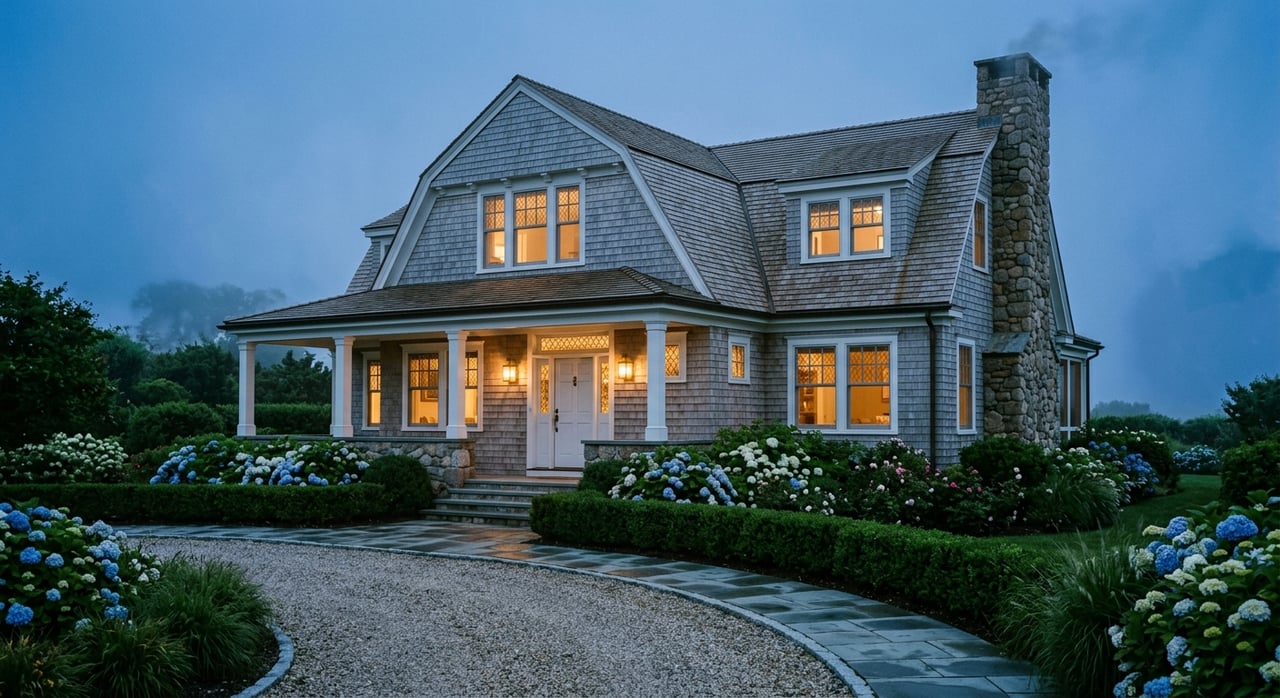
If you already love the Connecticut shoreline, Rhode Island can feel like the next logical step, but with a different kind of coastal energy. You may be looking for a weekend escape, a summer base, or a place that works beyond beach season, and the choices can get overwhelming fast. The good news is that Rhode Island offers a compact but varied second-home market with distinct towns, different beach experiences, and practical drive times from Connecticut. Let’s dive in.
Why Rhode Island Feels Different
For many Connecticut buyers, the biggest surprise is how varied Rhode Island’s coast feels in a relatively small area. Instead of one broad shoreline pattern, you get a town-by-town market where each location has its own rhythm, access points, and housing mix.
Rhode Island also offers both Atlantic-facing surf beaches and calmer bay beaches. If you are used to the more sheltered Long Island Sound environment, that can change how you think about beach use, boating, and even where you want to spend most of your time.
Another important difference is how locally driven the search becomes. In Rhode Island, buyers often make decisions at the town and village level, not by county. That matters because beach access rules, parking, permits, and lifestyle can shift meaningfully from one community to the next.
Best Rhode Island Coastal Areas to Consider
If you are buying from Connecticut, it helps to narrow your search by lifestyle first. Do you want walkability, boating access, surf beaches, a quieter village feel, or a more relaxed island pace?
Newport and Aquidneck Island
Newport is one of the best-known coastal markets in Rhode Island, and for good reason. It blends historic character, harbor culture, a walkable downtown, and dramatic coastline, including Ocean Drive and its 10 miles of shoreline.
For a second-home buyer, Newport can offer a wide lifestyle range. Depending on the property, you may find historic houses, condos, and homes near the harbor or waterfront settings, all tied to a strong boating identity.
Middletown, also on Aquidneck Island, often feels more relaxed and beach-focused than downtown Newport. It is home to Sachuest, also called Second Beach, and Third Beach, giving buyers convenient access to well-known shoreline destinations without the same city-center intensity.
Portsmouth is also worth attention if marina access is high on your list. The area is known for marinas, historic sites, coastal golf, and access to Narragansett Bay, which can appeal to buyers who prioritize time on the water.
Jamestown
Jamestown tends to attract buyers who want a quieter pace and a strong island feel. It is often described as a peaceful coastal community with historic farms, parks, restaurants, and art galleries.
If you like the idea of being near Newport but not in the middle of it, Jamestown can be a smart middle ground. You may get the slower atmosphere you want while still keeping access to other coastal destinations nearby.
Narragansett and Galilee
Narragansett is one of the strongest choices if you want a classic beach-town experience. The town runs along a narrow stretch of shoreline and is closely defined by beach access, with places like Scarborough, Roger Wheeler, and Salty Brine shaping daily life and seasonal routines.
Galilee adds another dimension. The town describes it as an authentic working fishing village and a major ferry connection to Block Island, which gives this part of the market a practical maritime character beyond simple beach appeal.
For Connecticut buyers, Narragansett often feels like a more surf-forward, sand-forward coastal option. If your ideal second home centers on beach days, ocean air, and a more seasonal Atlantic rhythm, this area deserves a close look.
Quieter Coastal Alternatives
Not every buyer wants the most recognized name. Some second-home shoppers prefer quieter waterfront settings with less activity and a more tucked-away feel.
Wickford Village is known for harbor views, colonial-era homes, boutique shopping, and seafood restaurants. Little Compton has a distinctly low-key profile and a quieter identity that can appeal if you value privacy and a slower pace.
These areas can widen your search in a helpful way. Instead of focusing only on Newport or Narragansett, you can compare how each town matches your habits, your travel style, and how often you expect to use the home.
Drive Time Matters More Than You Think
A second home only works well if getting there feels manageable. For many Connecticut buyers, Rhode Island is close enough for regular use, but your actual experience will depend on where you live in Connecticut and which Rhode Island town you choose.
Discover Newport notes that Newport is about 30 minutes from Providence, about 100 miles from Hartford, and about 90 minutes from Boston. Travel planning estimates also put Old Saybrook to Newport at about 1 hour 29 minutes by car and Stamford to Newport at about 2 hours 48 minutes.
That range matters. A home that sounds ideal on paper may feel less practical if the drive turns every weekend into a bigger commitment than you want.
Rhode Island also has more transportation variety than some buyers expect. Seasonal ferry service between Providence and Newport, plus the Jamestown-Newport ferry, can add flexibility depending on how you plan to use the area.
Beach Access Is a Real Buying Factor
One of the biggest mistakes second-home buyers make is assuming every coastal address offers easy beach use. In Rhode Island, beach access can be more managed than many Connecticut buyers expect.
For example, Narragansett Town Beach has a seasonal pass policy with proof-of-ownership requirements for some categories. Discover Newport also notes that some parking areas at Second Beach in Middletown are resident-only.
That means you should ask very specific questions before you buy. A home that is technically near the water may not give you the beach routine you picture if parking, passes, or local access rules are more limited than expected.
Questions to Ask Before You Buy
- Which beach will you actually use most often?
- Is parking available, and is any of it resident-only?
- Are seasonal passes required?
- Does ownership at this address affect access or eligibility?
- How busy is the route to the beach during peak season?
These details can shape your everyday enjoyment of the property. They are not small issues, especially if beach time is the main reason you are buying.
Inventory Can Be More Varied Than Expected
One of Rhode Island’s strengths is how many different property styles can appear within a compact coastal area. Depending on the town, you may come across historic village homes, marina-adjacent residences, beach cottages, condos, and larger waterfront properties.
That variety can be a real advantage if your needs are still evolving. You may start your search thinking you want a beach cottage, then realize a lower-maintenance condo near a harbor or marina better fits how you plan to use the home.
This is where a clear search strategy matters. Rather than chasing every listing type, it helps to rank your priorities, such as beach access, boating, walkability, maintenance level, or seasonal flexibility.
Rhode Island Costs to Plan For
A coastal second home budget should go beyond the purchase price. Rhode Island’s market remained tight in early 2026, with 1.7 months of supply and a statewide single-family median price of $499,000 in January.
In a tight market, desirable coastal properties can move quickly. If you are serious about buying, it helps to have pre-approval in place, clear criteria, and a local search plan that allows you to act decisively.
You should also understand Rhode Island’s current tax landscape. The Division of Taxation says the Non-Owner Occupied Property Tax took effect on July 1, 2026 for residential real property assessed over $1 million that is not a primary residence.
That will not affect every buyer, but it is highly relevant in premium coastal price points. The state also says the 2026 Tier 2 real estate conveyance-tax threshold is $824,000, and the conveyance tax is normally paid by the seller unless the parties agree otherwise.
Flood Review Should Happen Early
If you are shopping near the water, flood diligence should be part of your first review, not an afterthought. FEMA identifies its Flood Map Service Center as the official source for National Flood Insurance Program flood-hazard information.
FEMA also notes that flood insurance is mandatory for federally backed mortgages in Special Flood Hazard Areas. For buyers, that means a home’s location, elevation, and likely insurance cost can materially affect affordability and comfort.
This is especially important if you are comparing properties that seem similar at first glance. Two homes in the same general area can carry very different flood profiles and ownership costs.
Build the Right Rhode Island Team
Buying across state lines usually goes more smoothly when your advisor team is local to the market where you are buying. In Rhode Island, that means thinking town by town and working with professionals who understand local process, coastal details, and second-home concerns.
A strong practical team often includes:
- A Rhode Island-licensed real estate agent
- Rhode Island legal counsel for title and closing questions
- An insurance professional who understands coastal underwriting
This local approach matters because Rhode Island’s real estate licensing is regulated by the Department of Business Regulation, and state-level systems play a bigger role than county offices. For permits, taxes, and beach rules, town halls and state agencies are often the key sources.
A Smart Way to Narrow Your Search
If you are starting from Connecticut, the easiest way to narrow the Rhode Island search is to focus on how you want to live there. Think about whether your ideal weekend includes surfing, boating, downtown dining, quiet harbor walks, or easy lock-and-leave ownership.
Then layer in the practical filters. Drive time, flood exposure, beach access, seasonal use, and tax impact can quickly separate a beautiful listing from a truly workable second home.
Rhode Island can be an excellent fit if you want more variety in your coastal options and a market with real personality from town to town. The key is approaching it with a local lens and a clear understanding of how each area actually functions for everyday use.
If you are weighing Rhode Island against the Connecticut shore, or trying to decide which coastal town best fits your second-home goals, working with someone who understands waterfront lifestyle, flood considerations, and marina-oriented markets can make the process far more efficient. To start your search with tailored guidance, connect with Jennifer Gurnell.
FAQs
What makes Rhode Island different from the Connecticut shoreline for a second home?
- Rhode Island offers a more town-based coastal market, with both Atlantic surf beaches and calmer bay beaches, plus meaningful differences in access, beach rules, and lifestyle from one community to the next.
Which Rhode Island coastal towns are most relevant for Connecticut second-home buyers?
- Newport, Middletown, Jamestown, Narragansett, Wickford Village, Little Compton, and Portsmouth are among the most relevant options based on lifestyle, beach access, boating orientation, and overall pace.
How far is Newport, Rhode Island from Connecticut towns for weekend use?
- Discover Newport says Newport is about 100 miles from Hartford, while travel planning estimates put Old Saybrook to Newport at about 1 hour 29 minutes by car and Stamford to Newport at about 2 hours 48 minutes.
Why should beach access rules matter when buying a Rhode Island second home?
- Some Rhode Island beaches have resident-only parking areas or seasonal pass requirements, so a home near the coast may not automatically provide the beach convenience you expect.
What Rhode Island taxes should second-home buyers watch closely?
- Buyers in higher price points should review the Non-Owner Occupied Property Tax for residential property assessed over $1 million that is not a primary residence, along with the state’s real estate conveyance-tax threshold and closing terms.
Why is flood review important for Rhode Island coastal homes?
- Flood zone, elevation, and insurance cost can significantly affect affordability and risk, and flood insurance may be required for federally backed mortgages in Special Flood Hazard Areas.
Who should be on your Rhode Island second-home buying team?
- A Rhode Island-licensed real estate agent, Rhode Island legal counsel for title and closing questions, and an insurance professional familiar with coastal underwriting can help you navigate a cross-state purchase more confidently.