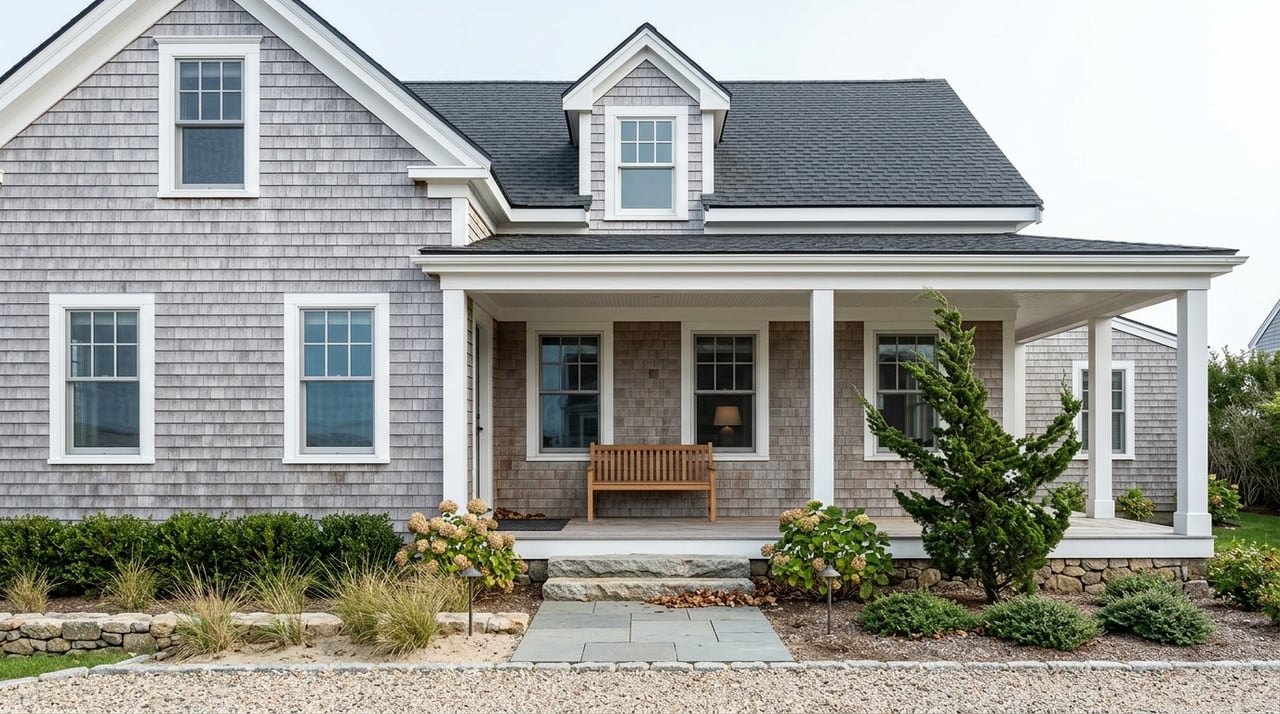
Dreaming about a coastal home but stuck between Rhode Island and Connecticut? It is a common comparison, especially if you want more than a pretty water view. You want the right lifestyle, the right town feel, and a smart purchase for how you plan to use the home. This guide will help you compare both states through the lens that matters most to buyers: access, housing style, boating culture, pricing, and ownership factors. Let’s dive in.
Coastal Feel and Access
If you want a coastline that feels tightly woven into daily life, Rhode Island stands out. The state has about 400 miles of shoreline, and the Rhode Island Coastal Resources Management Council says there are more than 400 shoreline access points. The state also clarified public lateral shore access in 2023, up to 10 feet landward of the visible high-tide line, which gives buyers a clearer picture of how public shoreline use works. You can learn more from the Rhode Island shoreline access framework and the University of Rhode Island’s shoreline access overview.
Connecticut offers a different kind of coastal experience. Its shoreline stretches about 250 miles along Long Island Sound, and public access is spread across more than 350 shoreline sites. In real life, that often means a more town-by-town pattern of beaches, marinas, riverfront spots, and shoreline parks rather than one dense, always-near-the-water feeling.
For many buyers, this is the first big decision point. If you want a more compact and immediately maritime setting, Rhode Island may feel like a stronger fit. If you prefer a broader shoreline with distinct harbor towns and different lifestyle pockets, Connecticut may give you more variety.
Home Styles and Coastal Character
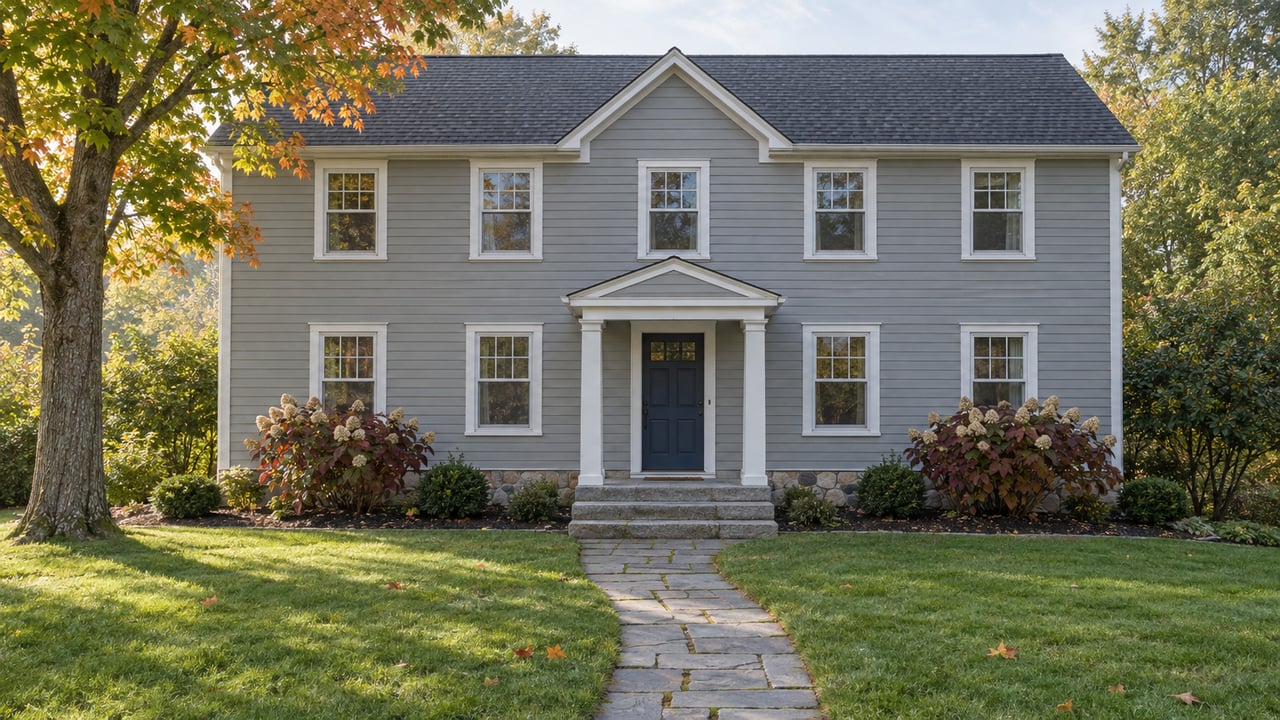
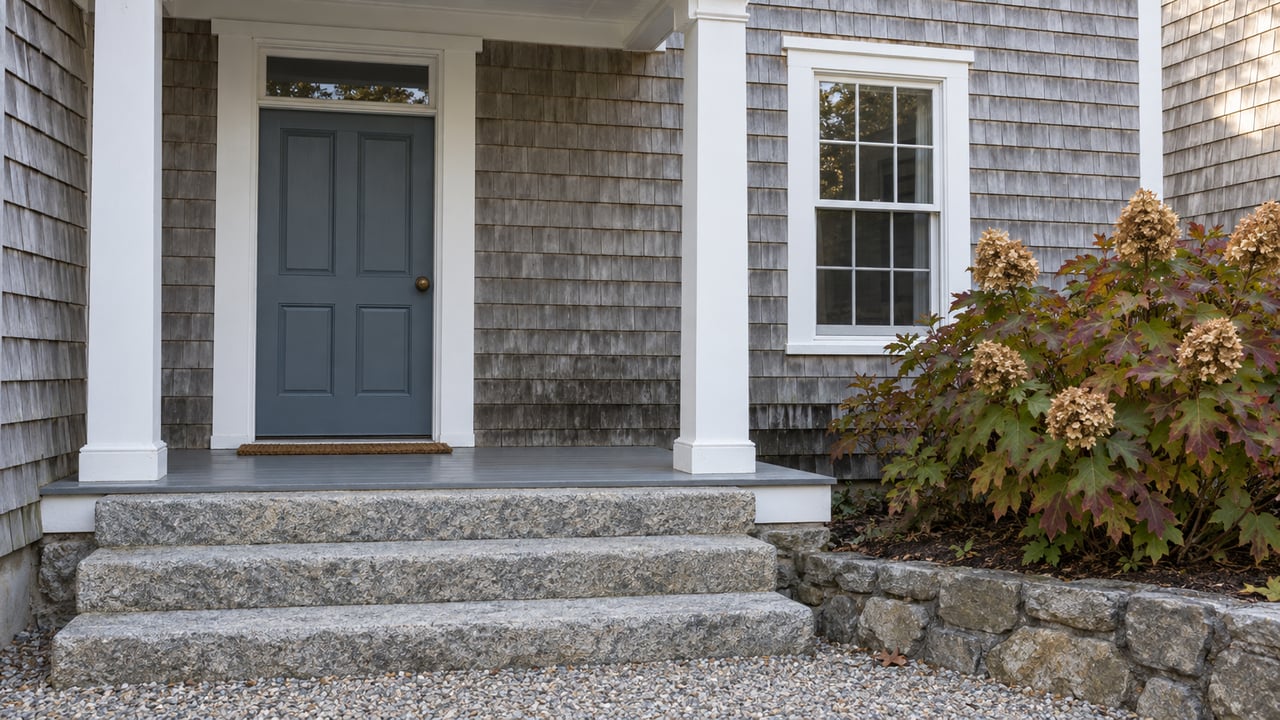
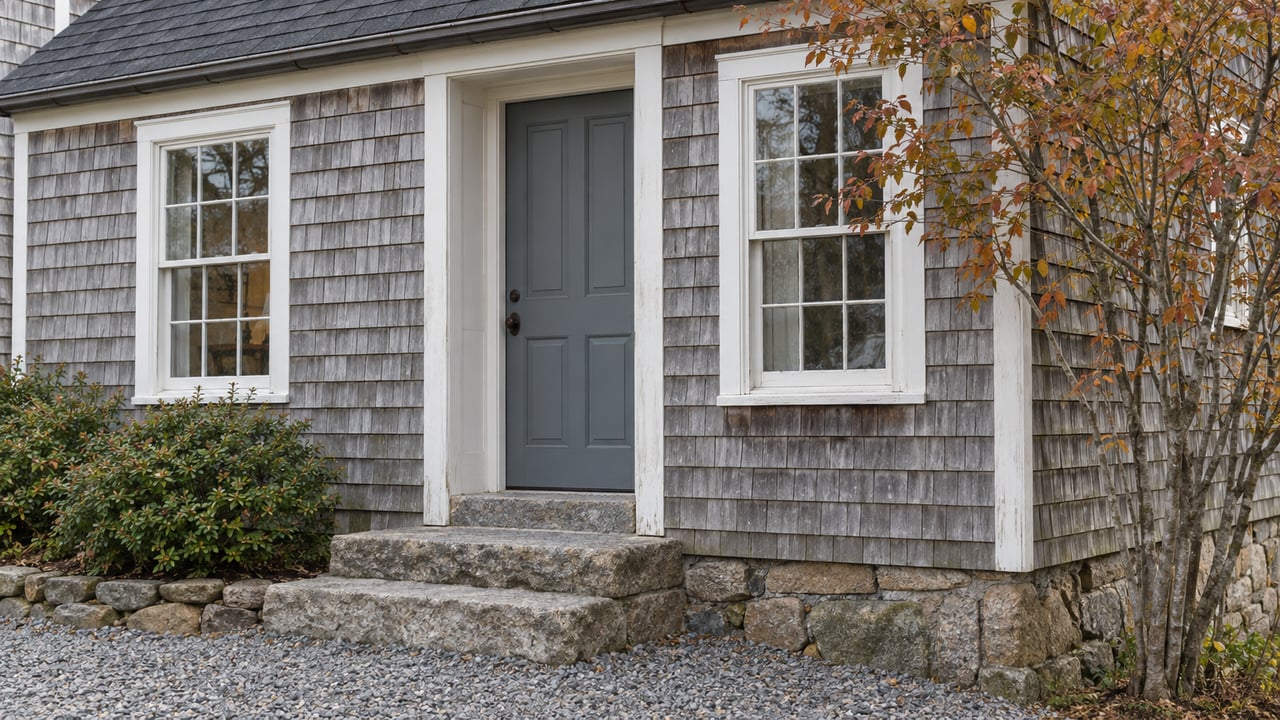
Rhode Island’s coastal identity is closely tied to classic New England history. In the Newport area, you will find Colonial, Federal, and Victorian architecture, plus the well-known Gilded Age mansion influence that shapes the region’s image. Across the state’s coastal enclaves, inventory can range from historic village homes to waterfront cottages to luxury resort-style residences, as highlighted by Discover Newport.
Connecticut’s shoreline housing stock feels more mixed and often more practical in tone. Tourism and lodging examples highlighted by CTvisit’s coastal coverage include modern shoreline villas, beach houses, and direct waterfront cottages in towns like East Haven, Old Saybrook, Madison, and Guilford. That suggests a market where each town has its own flavor, with less emphasis on a single grand coastal identity.
If your dream is an iconic, heritage-rich coastal setting, Rhode Island may have the edge. If you want a wider mix of shoreline homes across different price points and town styles, Connecticut often offers more flexibility.
Boating and Marina Lifestyle
For serious sailing culture, Rhode Island has a strong advantage. Newport is still widely known as the Sailing Capital of the World, and the state’s marina network is a meaningful part of the lifestyle. The Rhode Island Coastal Resources Management Council also supports a Clean Marina Program, which reinforces how central boating and harbor use are to the state’s coastal identity. Discover Newport’s destination information captures that sailing-centered reputation well.
Connecticut’s boating scene is strong too, but it tends to feel more casual and more distributed. Instead of one headline sailing hub, you get many shoreline towns where boating is simply part of everyday life. CTvisit’s Dock & Dine guide points to marina-side and boat-up experiences in Greenwich, Norwalk, Westport, Old Saybrook, Essex, Mystic, Clinton, Branford, and Stamford.
That difference matters when you picture your weekends. Rhode Island often fits buyers who want harbor prestige, regattas, and a stronger sailing identity. Connecticut often fits buyers who want family boating, marina access, paddle sports, and easy dock-and-dine convenience across multiple towns.
Pricing and Market Reality
Budget usually changes the conversation quickly. According to Realtor.com’s Rhode Island market data, Rhode Island’s March 2026 median listing price is $525,000, with 2,788 active listings and a median of 44 days on market. But the bigger story is how sharply coastal pricing can rise from the Providence area to true waterfront or coastal towns.
Providence city’s median listing price is $429,900, and Providence County’s is $454,950. Newport County, by contrast, sits at $969,900. Newport’s own current snapshot shows a $1.195 million median listing price and 44 median days on market, while Narragansett shows a $1.199 million median for-sale price and 52 days on market, based on Newport County market figures.
Connecticut’s shoreline market looks broader by price band. The Connecticut REALTORS January 2026 housing summary reports a statewide single-family median sales price of $444,500. William Pitt Sotheby’s March 2026 Shoreline Market Tracker, cited in the research, shows a $416,000 median sales price, a $506,000 average sales price, 46 average days on market, and 3,650 total units. Old Saybrook, one of the premium shoreline towns, shows a median listing price of $874,900 and 77 median days on market.
The takeaway is simple. Rhode Island’s marquee coastal markets often cluster around premium resort-style towns. Connecticut’s shoreline tends to offer a wider spread of entry points, depending on the town, waterfront type, and property style.
Second-Home Ownership Factors
If you are shopping for a seasonal property or low-use second home, Rhode Island has a tax factor you should review early. The Rhode Island Division of Taxation says the Non-Owner Occupied Property Tax takes effect on July 1, 2026 for residential properties assessed above $1 million that are not owner-occupied. Exemptions depend in part on rental use and the 183-day rule.
That does not mean Rhode Island is off the table for second-home buyers. It means your intended use matters more. Before you buy, it is smart to think through whether the home will be primarily seasonal, a part-time residence, or a hybrid that may include rental activity.
This is one reason buyers benefit from a local advisor who understands not just listing inventory, but also how ownership strategy can shape the full cost of the decision.
Flood, Erosion, and Long-Term Planning
No matter which state you choose, coastal buying should include a long view. Rhode Island Sea Grant notes that the state’s 400-mile coastline faces erosion, stronger storms, sea-level rise, and development pressure. You can explore that broader context through Rhode Island Sea Grant’s coastal resilience resources.
That does not make coastal ownership a bad idea. It simply means you should evaluate each property carefully. Flood exposure, shoreline maintenance, access rights, and long-term resilience are part of the buying process, not details to sort out later.
For buyers comparing Rhode Island and Connecticut, this is often where the search becomes more specific. The better question is usually not which state is better. It is which town, waterfront setup, and ownership plan best match how you want to live.
Which State Fits Your Goals?
If you want classic New England coastal identity, Rhode Island may be the better match. It offers dense shoreline access, strong sailing culture, and a more visibly maritime feel. Buyers drawn to historic resort towns, harbor prestige, and a strong coastal brand often connect with Rhode Island quickly.
If you want a wider range of shoreline towns and a more segmented market, Connecticut may fit better. It often provides more practical beach-house options, marina-oriented living, and a broader spread of town-by-town pricing. Buyers looking for flexibility, casual boating culture, and different lifestyle pockets may find more options there.
In the end, the right choice is rarely about the state line alone. It is about how you plan to use the home, what kind of water access matters to you, and how your budget lines up with the towns that match your goals.
If you are weighing Connecticut against Rhode Island for your next coastal move, working with someone who understands shoreline housing, marina access, flood considerations, and second-home decision-making can make the search much clearer. Jennifer Gurnell offers high-touch guidance for buyers navigating Connecticut shoreline communities and select Rhode Island coastal opportunities.
FAQs
What is the main lifestyle difference between Rhode Island and Connecticut coastal homes?
- Rhode Island often feels more compact, historic, and sailing-focused, while Connecticut usually feels more town-specific, spread out, and practical for beach-house and marina-centered living.
How do Rhode Island and Connecticut shoreline access compare for homebuyers?
- Rhode Island has about 400 miles of shoreline and more than 400 shoreline access points, while Connecticut has about 250 miles of Long Island Sound shoreline and more than 350 access sites, often in a more patchwork town-by-town system.
Are Rhode Island coastal homes generally more expensive than Connecticut shoreline homes?
- Rhode Island’s marquee coastal areas such as Newport and Narragansett show median prices around or above $1.1 million, while Connecticut’s shoreline market spans a broader range, with premium towns like Old Saybrook below that level in the current data.
What should second-home buyers know about Rhode Island property taxes?
- Starting July 1, 2026, Rhode Island applies a Non-Owner Occupied Property Tax to certain residential properties assessed above $1 million that are not owner-occupied, so intended use and occupancy strategy should be reviewed before buying.
What coastal risks should buyers consider in Rhode Island and Connecticut?
- Buyers in either state should review flood exposure, erosion, shoreline maintenance needs, access rights, and long-term resilience because coastal management is an ongoing issue, not a one-time concern.