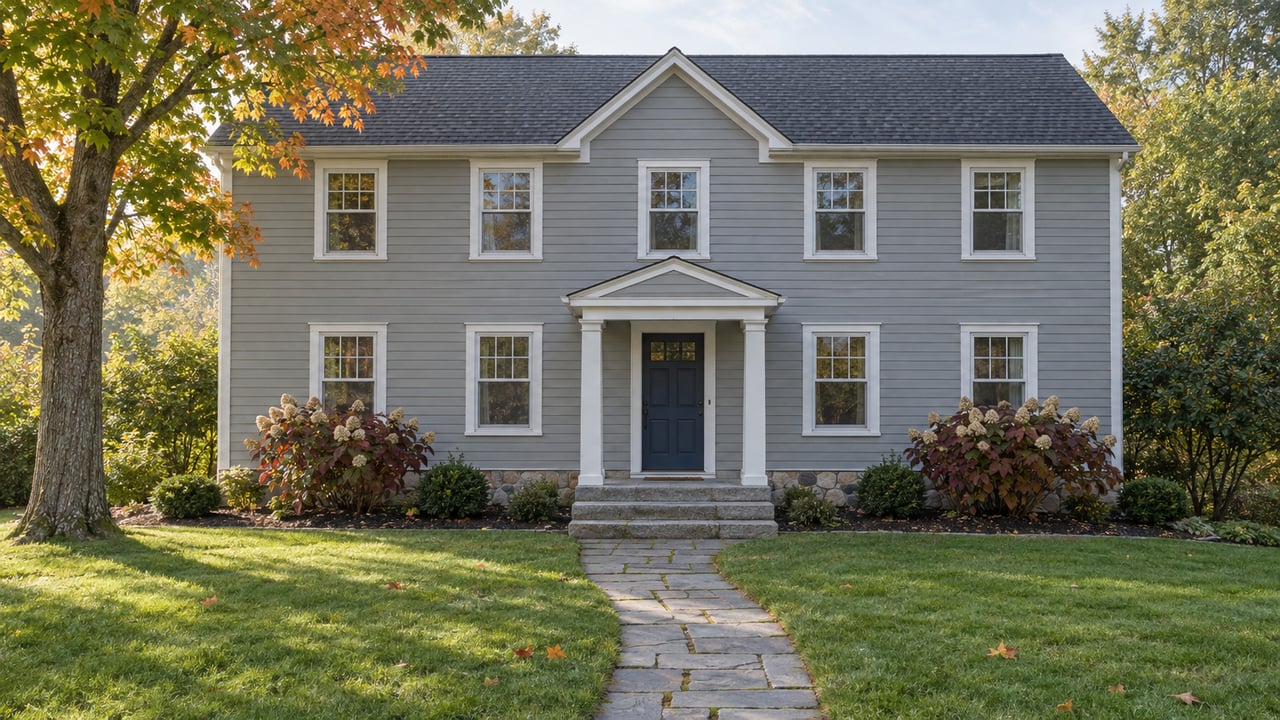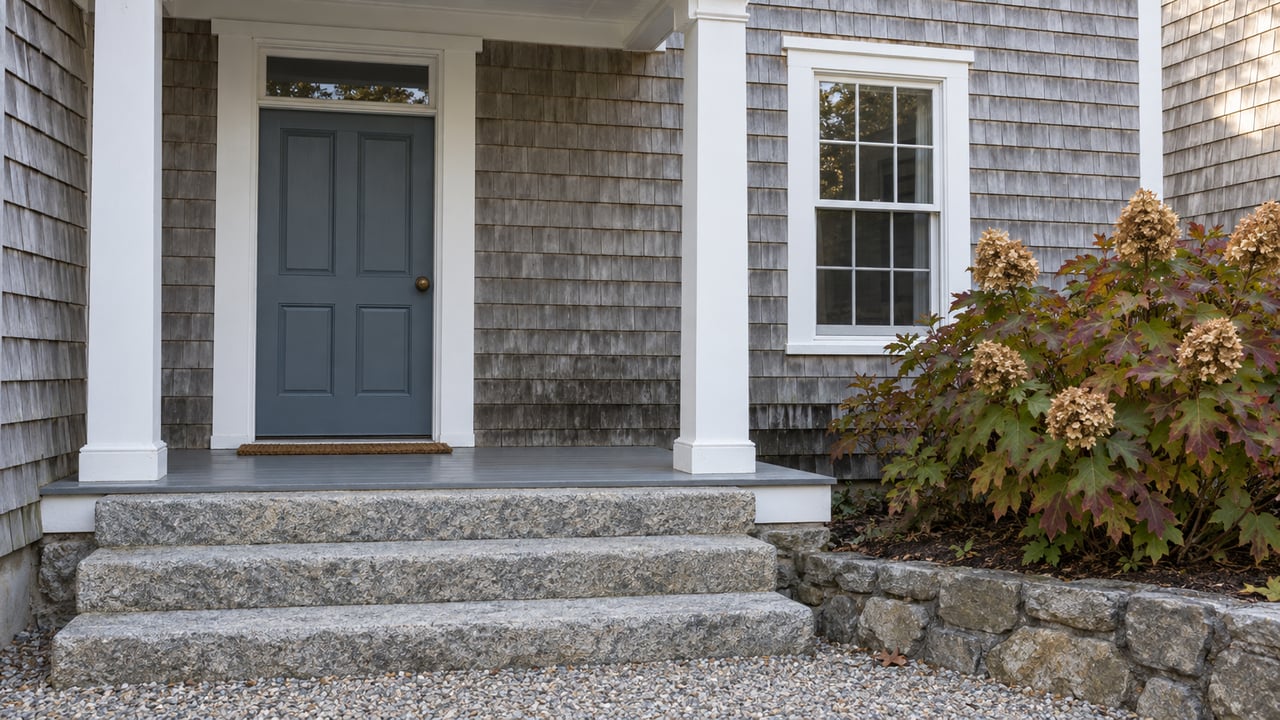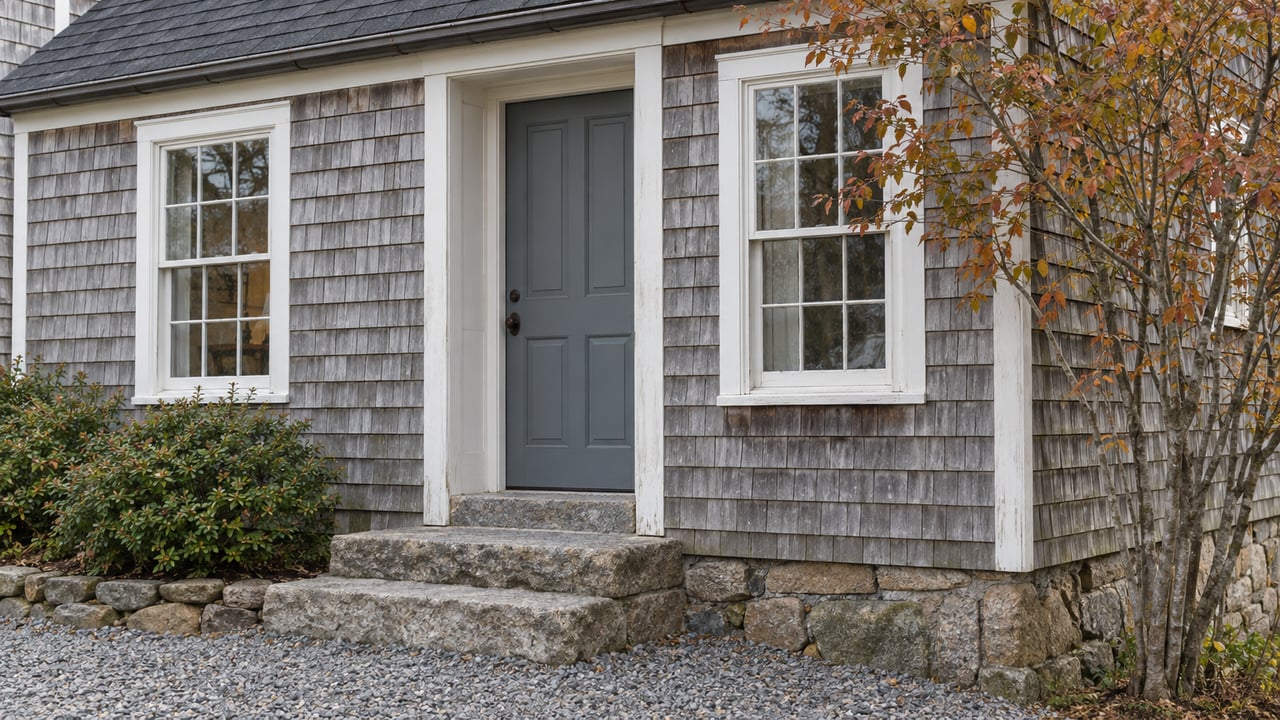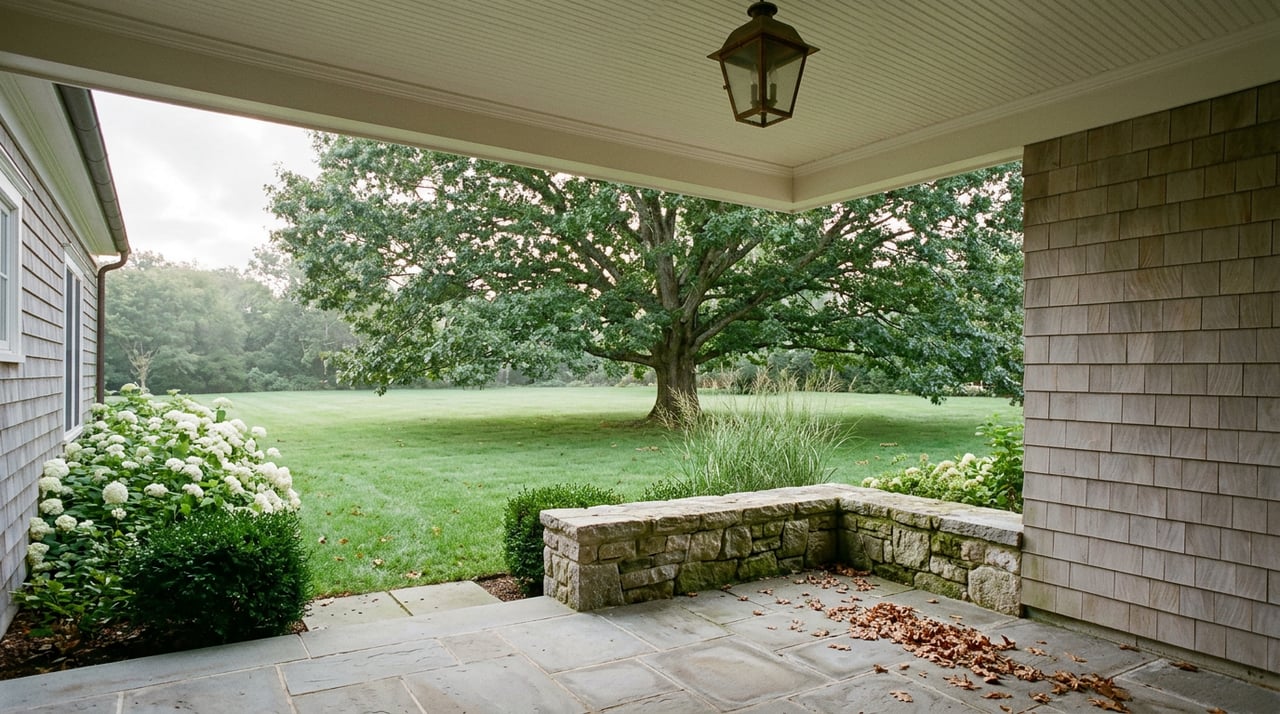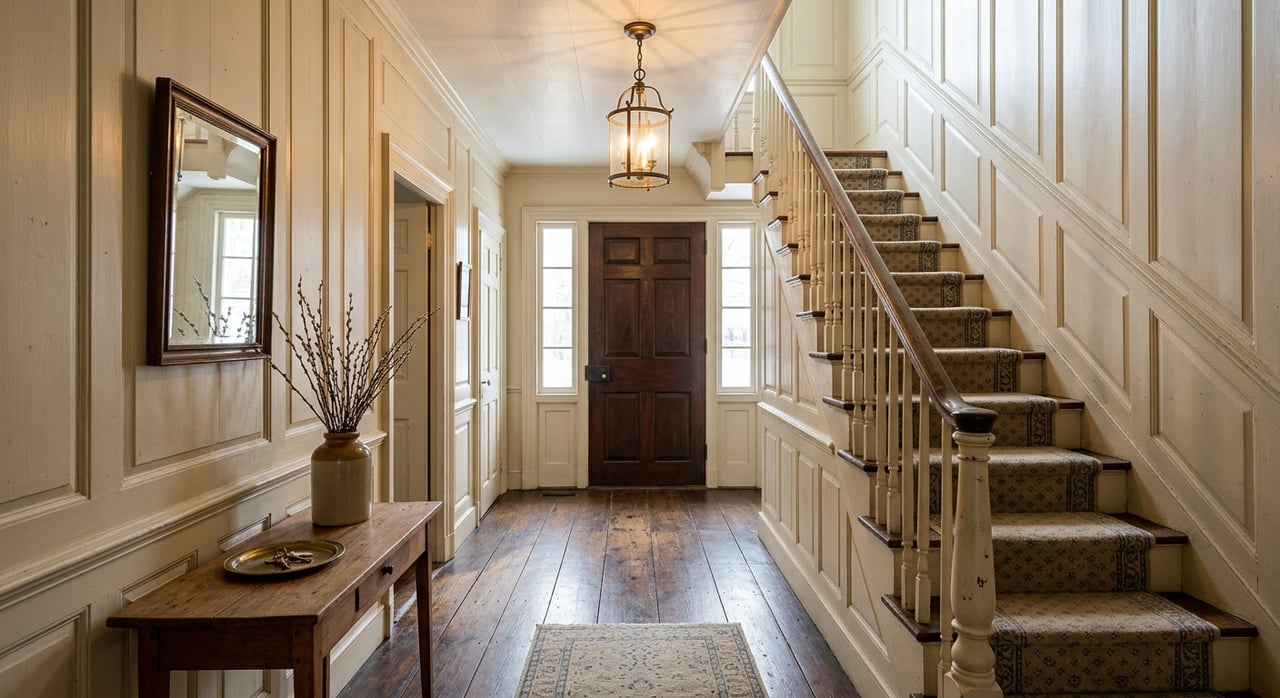
Thinking about selling a historic home in Guilford? You are not just preparing a house for showings. You are presenting a piece of local history while also answering the practical questions today’s buyers ask about condition, updates, and regulations. When you approach listing prep with both charm and clarity in mind, you can make your home more appealing and your sale smoother. Let’s dive in.
Start With Guilford’s Historic Rules
If your home is in Guilford’s Town Center Historic District or Whitfield Street Historic District, exterior changes are not just a design choice. Guilford requires a certificate of appropriateness before certain exterior architectural features are erected, altered, restored, moved, or demolished, and those decisions are binding under local law.
For you as a seller, that means the exterior should be treated as both a marketing asset and a compliance issue. Features visible from public view, such as the front elevation, porch, windows, trim, and similar exterior details, deserve extra attention before you make repairs or upgrades.
This also matters during disclosure. Connecticut’s residential property condition disclosure form asks whether the property is in a municipally designated historic district or listed on the National Register, so it helps to confirm that information early and prepare to answer it to the best of your knowledge.
Focus on What Buyers Want to Know
Historic homes attract a specific kind of buyer, and their questions are usually predictable. Many buyers love older homes for their charm, character, and craftsmanship, but they also want a clear picture of what has been preserved, what has been updated, and what may need work next.
Research on historic and older-home buyers shows that charm is a major draw, but condition still matters. Buyers often want to know when kitchens and bathrooms were last substantially remodeled and whether major systems like HVAC have been replaced.
They may also have concerns about older wiring, plumbing, insulation, foundations, lead paint, asbestos, and insurance. The more clearly you can organize this information before your home hits the market, the more confidence you can build with serious buyers.
Preserve Character First
The best pre-listing plan for a Guilford historic home is usually simple: preserve character, improve function, and avoid unnecessary replacement. Historic-rehabilitation guidance from Connecticut and the National Park Service supports retaining and preserving character-defining features whenever possible.
That means original details should not be removed lightly. If something is deteriorated, repair is generally the preferred path. If replacement becomes unavoidable, new work should match the original in design, color, texture, and, where possible, materials.
This approach is not just about preservation philosophy. It also aligns with what many historic-home buyers value most. They are often drawn to the details that make an older home feel authentic in the first place.
Prioritize Exterior Curb Appeal Carefully
In Guilford, exterior prep often deserves first priority because it affects both first impressions and district review. Buyers see the outside before they experience anything else, and in a local historic district, visible exterior work can have added importance.
Safer pre-listing improvements often include maintenance-focused items such as:
- Fresh paint where needed
- Repaired trim
- Stabilized porch details
- Safe and tidy steps or walks
- Clean, simple landscaping
- General exterior upkeep that respects original features
These improvements can make your home feel cared for without stripping away the qualities that make it special. They also tend to be more strategic than jumping straight into major redesign work.
Be Thoughtful About Windows
Windows deserve special care in a historic home. It can be tempting to replace older windows quickly, especially if buyers may ask about energy efficiency, but repair may be the smarter first move.
The National Park Service recommends retaining and repairing original windows whenever possible. Before replacement, it suggests steps like caulking, weatherstripping, and storm windows, and it notes that broad claims about replacement windows cutting energy costs in half are not accurate.
If you are unsure whether repair is realistic, a sample repair can help you evaluate the option. For sellers in Guilford, that can be an especially useful step when original windows contribute to the home’s historic character and street presence.
Update High-Use Spaces Without Overdoing It
If you are choosing where to spend before listing, focus on spaces buyers use and notice most. Kitchens and bathrooms usually carry more weight than broad, expensive modernization projects.
That does not mean gut-renovating a historic home just before sale. In many cases, thoughtful improvements that support function and presentation are more effective than removing older materials or features that contribute to the home’s appeal.
A clean, well-maintained kitchen or bath with documented updates can reassure buyers. A heavily altered room that no longer fits the home’s character may not deliver the same value.
Use Lead-Safe Practices for Older Homes
If your Guilford home was built before 1978 and you plan to disturb painted surfaces before listing, lead safety should be part of your prep plan. Connecticut recommends lead-safe work practices and using an EPA RRP-certified firm for renovations and repairs on pre-1978 housing.
This is especially relevant for paint scraping, window work, and similar projects that can create dust. Safe project planning helps protect your household and can help avoid problems later in the transaction.
Separate from the state property condition form, lead disclosure rules also apply to pre-1978 homes. Sellers and lessors must provide the lead pamphlet, disclose known lead hazards, and retain records, and Connecticut notes that buyers may have a 10-day lead inspection period after contract unless waived.
Gather the Home’s Story Before You List
One of the most valuable things you can do before listing is organize your home’s history and paperwork. Buyers interested in historic homes often want more than square footage and room counts. They want context.
Start gathering:
- Dates of major improvements
- Records for HVAC, plumbing, electrical, and roofing work
- Past renovation details
- Permit documentation if available
- Information about what features are original
- Notes on any work completed within historic-district guidelines
This preparation helps you answer the most common buyer questions with confidence. It also helps your listing tell a stronger story, especially when a home has been carefully maintained over time.
Think Strategically About Bigger Renovations
Not every seller should renovate heavily before bringing a historic home to market. In some cases, it may be smarter to document the opportunity rather than complete major work yourself.
That is especially true when historic-home incentives could matter to the next owner. Connecticut’s Historic Homes Rehabilitation Tax Credit is available for owner-occupied primary residences listed on the State or National Register, requires at least $15,000 in eligible rehabilitation expenditures, and can provide a 30% return up to $30,000 through a voucher mechanism.
The key distinction is that this state program is the residential option for owner-occupied homes, while the federal 20% historic preservation tax incentive applies to income-producing buildings. Depending on your property and your timing, it may make more sense to prepare the home well, disclose clearly, and let the next owner decide how to approach a larger restoration plan.
Build the Right Team Early
Historic homes usually benefit from a more specialized pre-listing process. In Guilford, that often means working with professionals who understand older homes and local district expectations.
A strong seller team may include:
- A district-savvy listing agent
- An inspector experienced with older or historic homes
- Contractors who understand repair-first work
- Qualified professionals for lead-safe renovation when needed
This kind of support can help you avoid costly missteps and shape a listing plan that respects the home while making it market-ready. It also helps buyers feel they are getting a more transparent and well-managed transaction.
Prepare for Disclosure With Confidence
Connecticut requires the residential property condition disclosure report before a binder, contract to purchase, option, or lease with purchase option is executed. The form is not a warranty and does not replace inspections, but it is an important part of preparing your sale properly.
If the report is not furnished, the seller is credited $300 at closing. More importantly, completing disclosure thoughtfully can build buyer trust and reduce confusion once negotiations begin.
For a historic home, clear disclosure supports the same goal as good marketing. It helps buyers understand charm, condition, restrictions, and responsibility in a balanced, realistic way.
Market the Home to the Right Buyer
Historic homes are not a one-size-fits-all product. They often perform best when marketing highlights both emotional appeal and practical transparency.
That means your listing should show buyers the craftsmanship, texture, and details that make the home memorable. At the same time, it should answer the practical questions they already have about updates, maintenance history, district rules, and next steps.
For sellers in Guilford, this is where a polished, high-touch strategy can make a real difference. Professional photography, thoughtful visual storytelling, and clear positioning can help your home reach buyers who appreciate historic character and are prepared for the realities of ownership.
If you are preparing a historic Guilford home for sale, the goal is not to make it feel brand new. The goal is to make it feel well cared for, well documented, and easy for the right buyer to understand. For tailored guidance on positioning your home for today’s market, connect with Jennifer Gurnell.
FAQs
What should sellers in Guilford know about local historic district rules?
- If your home is in Guilford’s Town Center Historic District or Whitfield Street Historic District, certain exterior changes require a certificate of appropriateness, and those local decisions are binding under law.
What improvements matter most before listing a historic Guilford home?
- The strongest starting point is usually visible maintenance and function-focused work, such as paint, trim, porch repairs, steps, walks, landscaping, and selective kitchen or bathroom updates that respect the home’s character.
What do buyers ask about older and historic homes in Guilford?
- Buyers often want to know what is original, what has been updated, when major systems were replaced, how restrictive the district may be, and whether issues like wiring, plumbing, insulation, lead paint, or other age-related concerns may apply.
What should sellers do about original windows in a historic Guilford home?
- Original windows should generally be retained and repaired when possible, with steps like caulking, weatherstripping, and storm windows considered before replacement.
What disclosures apply when selling a pre-1978 historic home in Guilford?
- In addition to Connecticut’s property condition disclosure report, sellers of pre-1978 homes must provide the lead pamphlet, disclose known lead hazards, retain records, and buyers may have a 10-day lead inspection period after contract unless waived.
Can historic-home tax credits affect a Guilford seller’s renovation decision?
- Yes. Connecticut’s Historic Homes Rehabilitation Tax Credit may be worth reviewing early for eligible owner-occupied primary residences listed on the State or National Register, which can influence whether you renovate before listing or document the opportunity for the next owner.