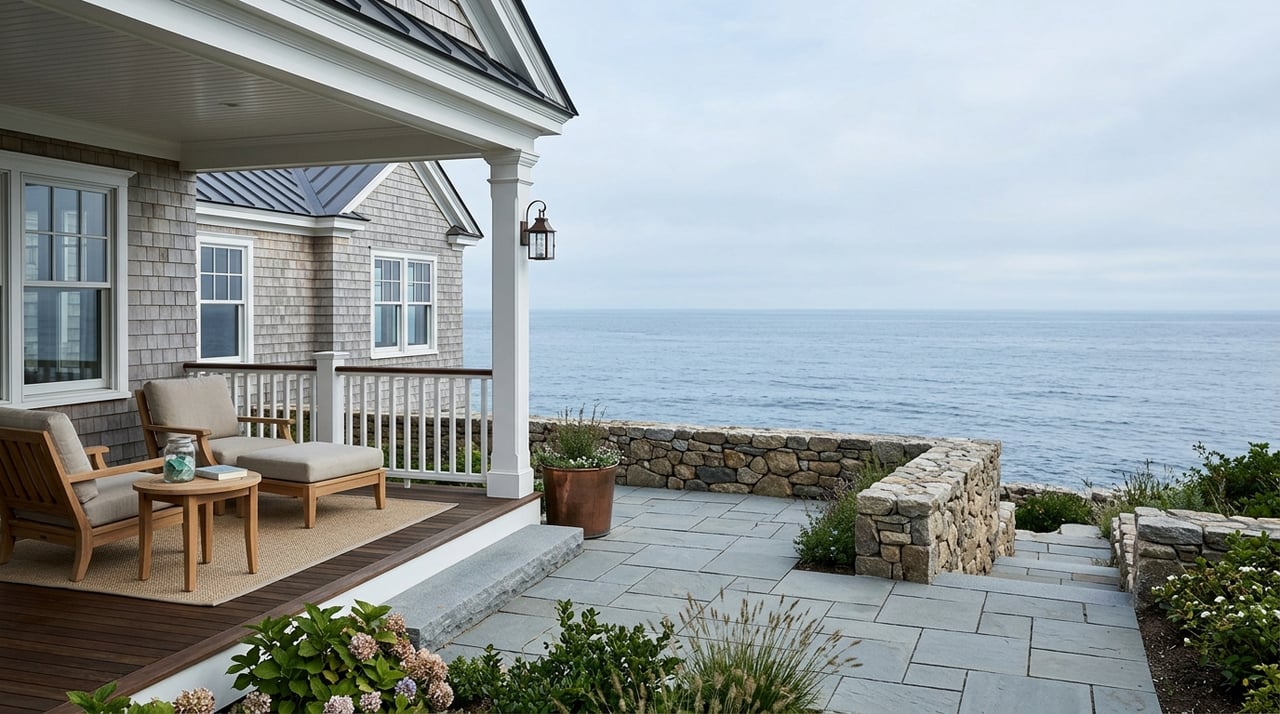
If you want a second home that actually gets used, Old Saybrook deserves a close look. You may be searching for a place that feels like an escape but does not turn every weekend into a long, complicated trip. In Old Saybrook, you get shoreline character, boating access, and a real town center, along with practical ways to get in and out. Let’s dive in.
Why Old Saybrook stands out
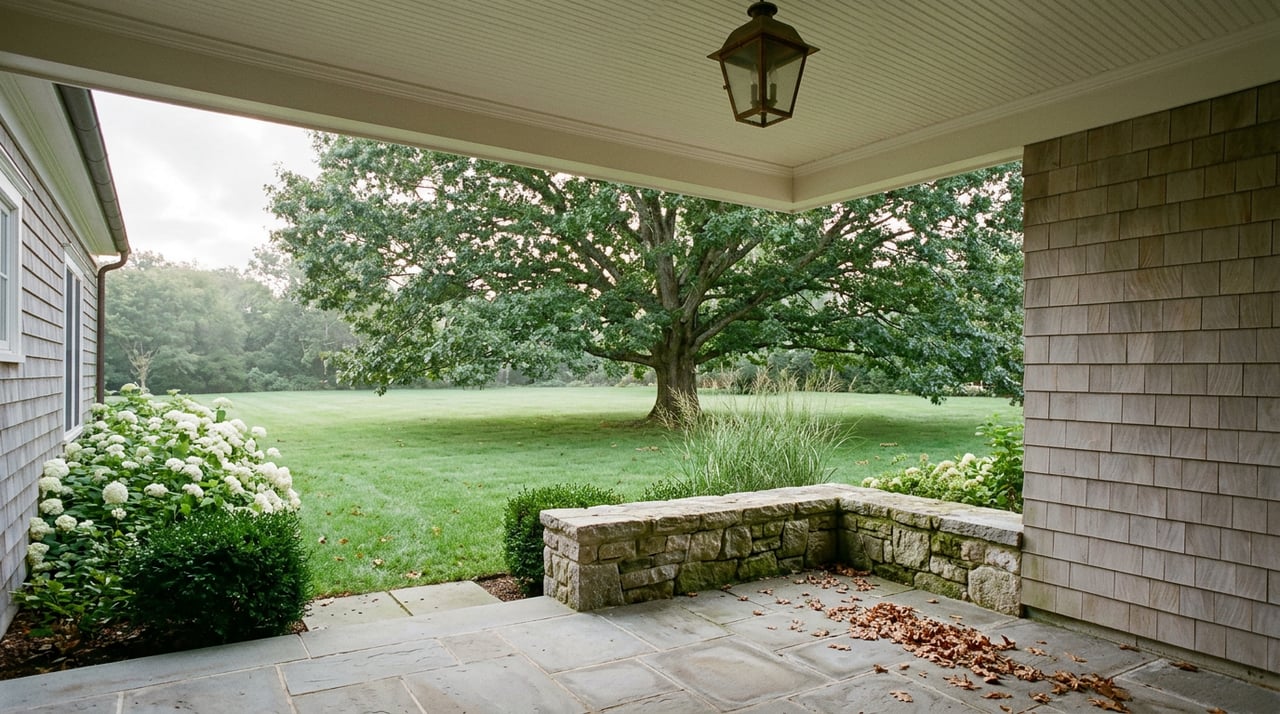
Old Saybrook sits where the Connecticut River meets Long Island Sound, and that setting shapes the whole experience of owning here. The town has two public beaches, several parks, multiple marinas, a state-owned boat launch, and a Main Street and Boston Post Road retail corridor.
For many second-home buyers, that mix is the sweet spot. You can enjoy beach time, boating, and a coastal pace without giving up everyday convenience. The town also notes access by road, rail, and water, which makes it more usable for weekend trips than places that depend almost entirely on driving.
What kind of second-home town is it?
Old Saybrook is not just a summer postcard. It has a seasonal rhythm, but it also offers enough year-round activity and infrastructure to work as more than a once-in-a-while getaway.
That matters if you want a home you can use in summer, in the shoulder seasons, and even for longer stretches during the year. The town describes itself as work-from-home ready in its 2023 to 2033 Plan of Conservation and Development, which adds another layer of flexibility for buyers who want to blend leisure with remote work.
Old Saybrook neighborhood styles
Beach association areas
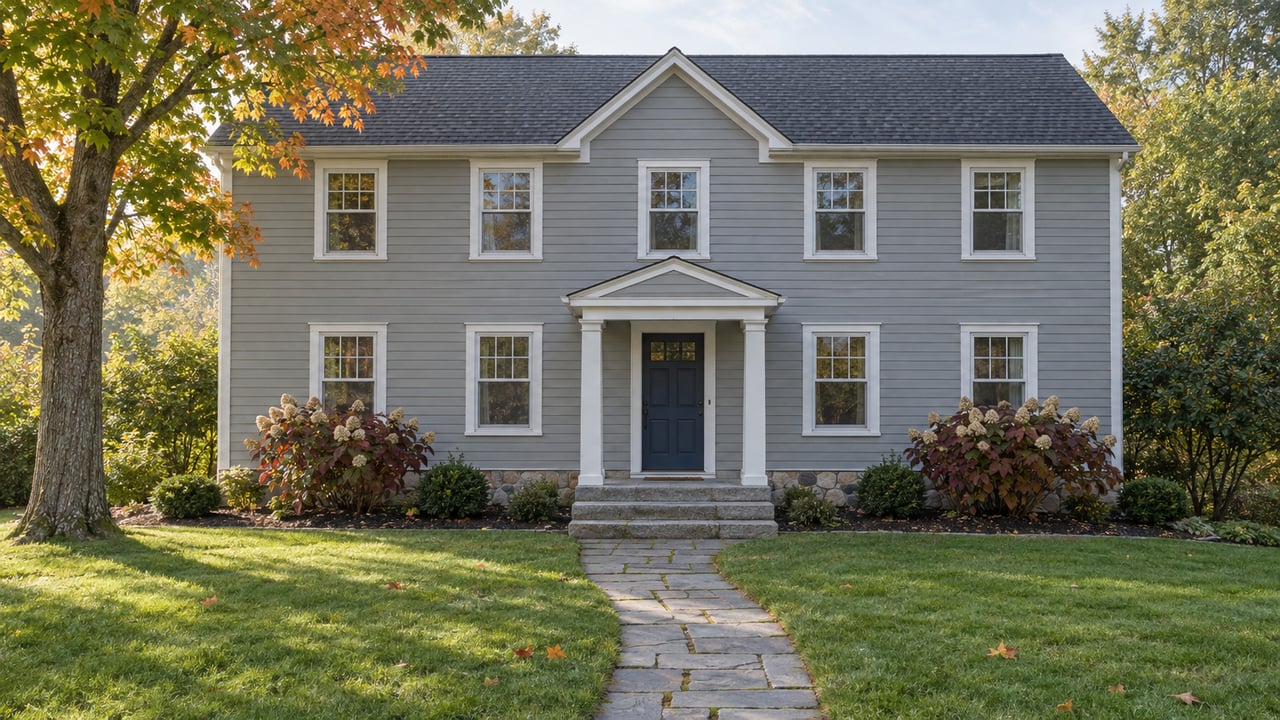
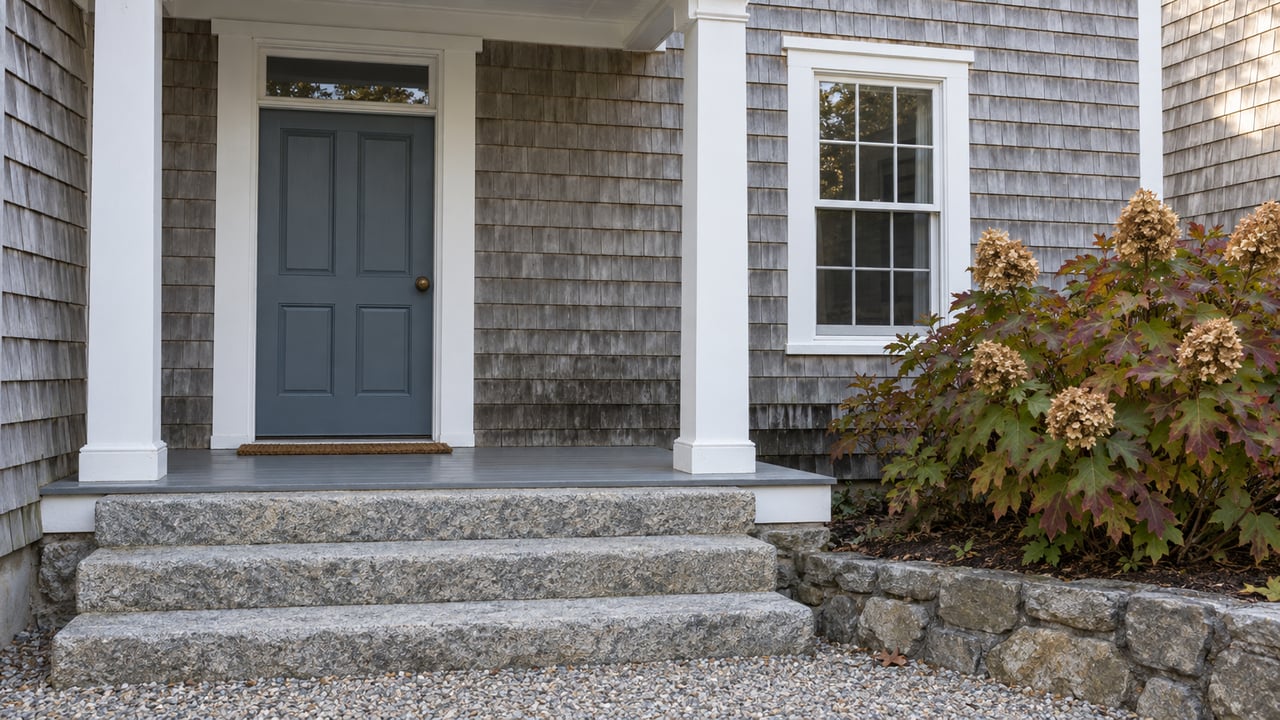
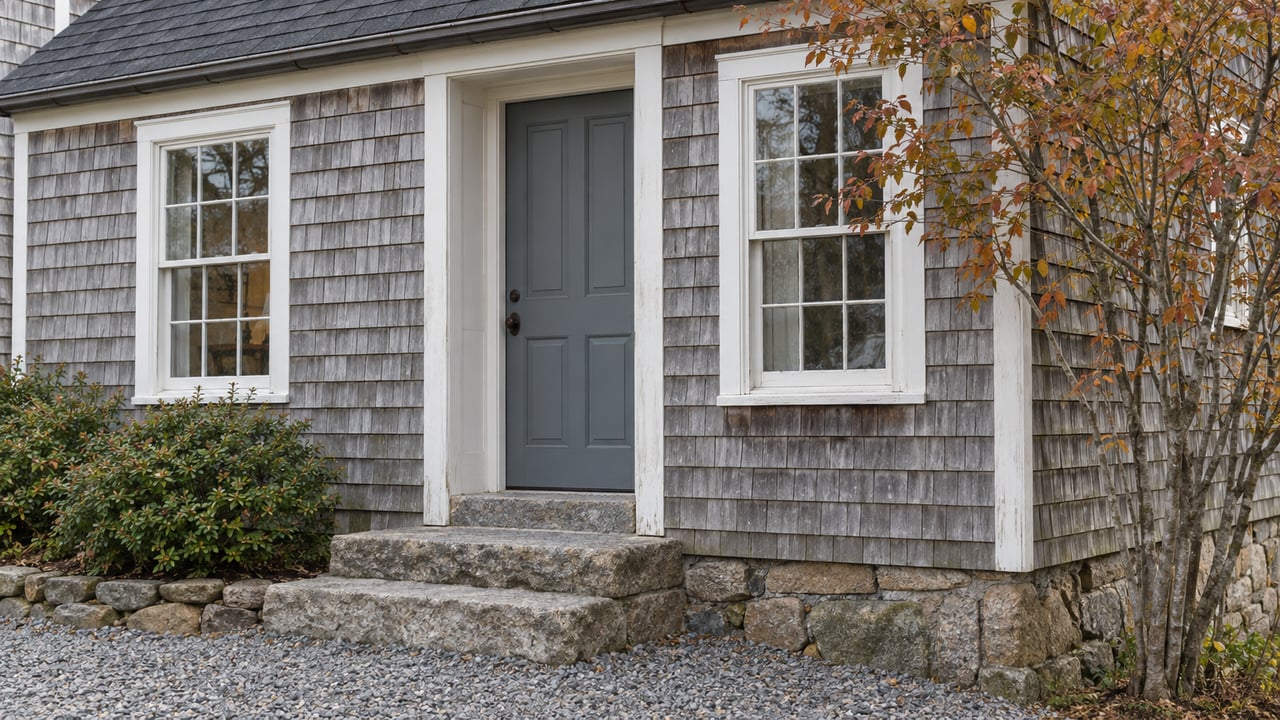
If your dream is a classic shoreline cottage feel, the beach-association districts will likely be the first places you explore. The town’s beach tax association directory includes areas such as Chalker Beach, Cornfield Point, Saybrook Manor, Fenwood, Knollwood, Indian Town, Fencove, Otter Cove, and Fenwick.
These areas tend to offer the strongest seasonal atmosphere. They appeal to buyers who want a true beach-home experience, whether that means simple summer living, walks near the water, or a property that feels distinct from their primary residence.
That said, some of these areas require extra diligence. Old Saybrook’s coastal resilience page specifically highlights Chalker Beach and the Indiantown-to-Chapman Beach corridor as places affected by flooding from tides, storm surge, and stormwater, so flood maps, elevation, and insurance deserve careful review before you buy.
Marina and harbor areas
If boating is central to your lifestyle, Old Saybrook is especially compelling. The harbor system is extensive for a town of this size, with moorings in North Cove and in the Flats and Beaches, land-based moorings at Clothesline Marina, slips at Ferry Dock Marina, and kayak rack space through the Harbor Management Commission.
The town’s boating resources also point to transient boater information, online mooring and slip reservations, tide charts, marinas, and public kayak and SUP launches. The marine patrol page notes steady summer vessel traffic, with patrol service active from May through October.
For the right buyer, this can be a major advantage. Instead of buying only for beach access, you can buy for daily access to the water itself.
Village and town-center settings
Not every second-home buyer wants a cottage in a purely beach-focused setting. Some buyers want a more flexible home base near Main Street, Boston Post Road, Saybrook Point, or Route 154.
This part of town can be a strong fit if you value year-round usability and like being close to shops, dining, and local attractions. The town describes the Main Street and Boston Post Road corridor as ideal for walking and bicycling, and it highlights places like Fort Saybrook Monument Park, Harvey’s Beach, and the self-guided walking tour as year-round attractions.
Who Old Saybrook fits best
The town’s housing profile suggests a market driven more by owners than by pure investors. Census QuickFacts lists Old Saybrook with 10,689 residents, an owner-occupied housing unit rate of 85.3%, and a median value of owner-occupied housing units of $538,200.
In practical terms, that points to a buyer pool that is often lifestyle-driven. Many second-home buyers here are likely to be affluent professionals, empty-nesters, retirees, and repeat shoreline buyers who want a place they will personally enjoy, not just rent out.
If that sounds like you, Old Saybrook may line up well with your goals. It is especially attractive if you want a second home that serves as a real retreat, not just a spreadsheet investment.
Everyday access matters more than you think
One of Old Saybrook’s biggest strengths is how reachable it is. The town says you can get there by road, rail, and water, including I-95 exits 66, 67, and 68, Route 9 exit 2, Shore Line East commuter rail service between New Haven and New London with free station parking, Amtrak service on the Northeast Corridor, and docking at eight marinas.
That convenience can change how often you actually use your home. A second property tends to deliver more value when getting there feels easy enough for a spontaneous weekend or a quick midweek stay.
For many out-of-area buyers, this is one of Old Saybrook’s strongest practical advantages. It offers shoreline atmosphere without making access feel like a project.
Seasonality: what to expect
Old Saybrook has a real coastal calendar. Summer brings heavier boating activity, and the town’s marine patrol service runs from May through October.
At the same time, it is not a place that fully shuts down outside peak season. The town notes that Harvey’s Beach is open year-round, though parking fees apply from Memorial Day to Labor Day.
There is also a long history of seasonal housing here. The town’s seasonal-dwellings page says Old Saybrook recorded 561 residential properties as seasonal dwellings in 1981 and still maintains a formal process for converting seasonal dwellings to year-round use.
That is important for buyers because it shows the market includes homes with different levels of year-round functionality. If you are considering an older cottage or a property in a classic beach area, it is worth confirming whether the home is seasonal, year-round, or potentially convertible.
Is rental potential part of the picture?
Possibly, but this should be approached with care. Old Saybrook’s 2023 to 2033 Plan of Conservation and Development says the Board of Selectmen should examine the effect of and regulation for short-term rentals for a potential ordinance.
The town’s 2024 Mariner’s Way lodging analysis reported seven hotels and resorts, 395 rooms, 107 short-term rentals, and 59% occupancy as of 2023. That suggests there is lodging demand in town, but it does not support treating every second home like a simple short-term rental play.
If rental income is part of your plan, you should verify zoning, association rules, taxes, and insurance early. Old Saybrook looks stronger as a lifestyle second-home market than as a purely passive rental market.
Flood risk should shape your search
For waterfront and low-lying properties, flood diligence is essential. The town’s coastal resilience page states that Old Saybrook faces flooding from tides, surges, and storm damage, and the Building Department notes that homes in flood zones have additional permitting requirements.
This is not a reason to avoid the market. It is a reason to buy with clear eyes and good guidance.
When you compare homes, pay close attention to:
- Flood zone location
- Elevation and site conditions
- Insurance implications
- Existing permits and improvement history
- Any limits on future renovation work
In a shoreline market like Old Saybrook, these details can have a big impact on both ownership costs and long-term flexibility.
The real question: will you use it?
That is the best test for any second-home purchase. Old Saybrook is most compelling when you want a property that works as a lifestyle base, not just a backup address.
You may be a strong match for Old Saybrook if you want:
- Beach access with a true shoreline feel
- Marina, mooring, or boating convenience
- A historic town center and everyday amenities
- Straightforward travel from other parts of the Northeast
- A home you can enjoy across more than one season
It may be a weaker fit if you want a purely passive short-term rental asset or a low-maintenance inland alternative with fewer coastal variables.
Bottom line on Old Saybrook
Old Saybrook offers a rare combination of beach-town character, boating infrastructure, village convenience, and practical access. For many second-home buyers, that balance is exactly the point.
If you want a place that feels like an escape but still functions in real life, this shoreline town deserves serious consideration. And if you are weighing beach districts, marina access, flood-zone issues, or year-round usability, local guidance can make a major difference in choosing the right fit.
If you’re considering a second home in Old Saybrook and want clear, local insight on the options that match your lifestyle, Jennifer Gurnell can help you search with confidence.
FAQs
Is Old Saybrook a good place for a second home?
- Yes. Old Saybrook stands out for its mix of beaches, marinas, a walkable town center, and access by road, rail, and water, which makes it appealing for weekend and seasonal use.
What types of second-home areas are in Old Saybrook?
- Buyers usually focus on beach-association districts, marina and harbor areas, or village-adjacent locations near Main Street, Boston Post Road, Saybrook Point, and Route 154.
Is Old Saybrook more seasonal or year-round for second-home owners?
- It has a clear seasonal rhythm, especially around boating, but it is not just a summer town. Some attractions are open year-round, and the town maintains a process related to seasonal dwellings and year-round conversion.
What should buyers know about flood risk in Old Saybrook?
- Waterfront and low-lying areas need careful review. The town identifies flooding concerns from tides, surges, and storm damage, and homes in flood zones may have additional permitting requirements.
Can you use an Old Saybrook second home as a short-term rental?
- Possibly, but you should verify local rules, association restrictions, taxes, and insurance before making that part of your purchase plan. The town’s regulatory approach to short-term rentals is still evolving.
Who is the typical second-home buyer in Old Saybrook?
- The market appears to attract lifestyle-driven buyers such as affluent professionals, empty-nesters, retirees, and repeat shoreline buyers who want a home for personal use, not just investment alone.