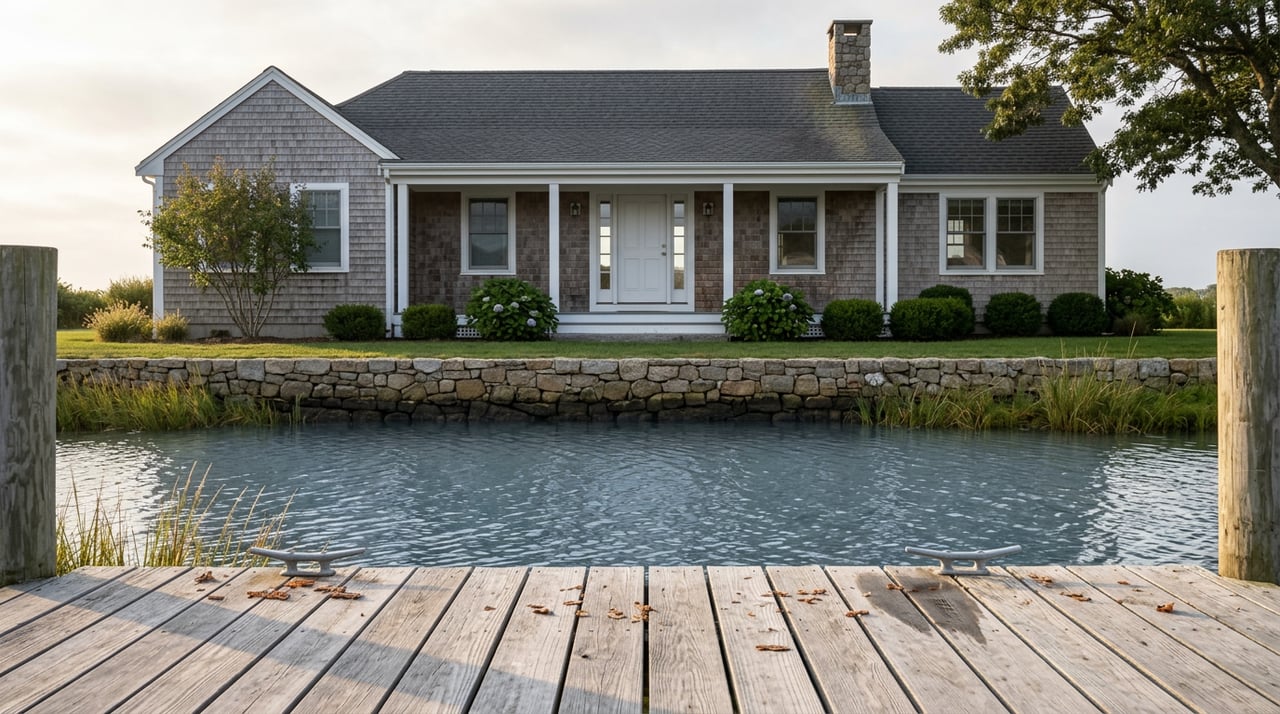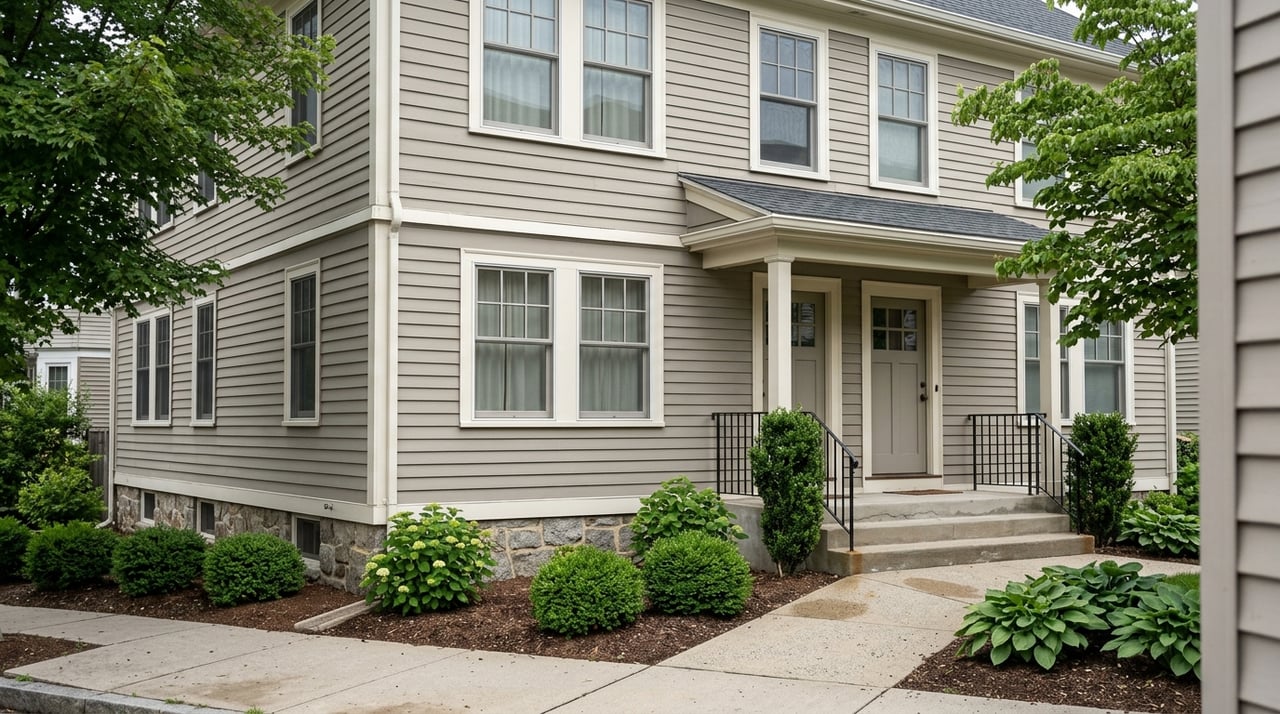
If you dream about owning a Connecticut shoreline home, you may be asking a practical question first: Can a Hartford County rental help make that move more affordable? The short answer is that it can be part of the plan, but it works best when you treat it as a cash-flow and balance-sheet strategy, not a promise that one property will completely pay for another. If you are exploring how to pair a steady inland rental with a lifestyle purchase on the coast, this guide will help you think through the numbers, the property types, and the professionals you will want on your side. Let’s dive in.
Why This Strategy Can Work
A Hartford County rental can make sense because the county has a large rental market and a wide mix of housing types. Countywide, there are 385,307 housing units, with 37.5% renter-occupied and a 6.8% rental vacancy rate. That tells you there is meaningful tenant demand, but it also reminds you that vacancy is a real part of ownership.
For many buyers, the goal is not to have the rental fully cover a shoreline home. The more realistic goal is to use rental income to strengthen your overall finances, improve monthly cash flow, and support a second purchase more comfortably. That is an important mindset because it keeps your plan grounded in how real estate actually performs over time.
Hartford County also should not be viewed as one single rental market. Different towns and neighborhoods can vary quite a bit in pricing, demand, and property condition. The best opportunity is usually the one where the purchase price, likely rent, and ongoing costs line up in a way that supports your broader goals.
Hartford County Rental Demand by Area
Hartford city stands out as a renter-heavy market within the county. Census Reporter shows that 74% of housing units in Hartford are renter-occupied, and 78% of the housing stock is made up of multi-unit structures. That makes the city especially relevant if you are considering a rental property designed to generate income rather than serve as your primary residence.
Those numbers matter because they point toward the kinds of properties renters are already using. In Hartford city, apartments and small multifamily buildings are often the most natural fit for the local housing mix. If you are looking for a first rental, this helps narrow the search toward practical options instead of trying to force a less common property type into the wrong market.
In other parts of Hartford County, the right rental may look different. A condo or townhome-style property can sometimes offer a simpler ownership experience if the monthly carrying costs and rental rules work in your favor. This can appeal to buyers who want income potential while also keeping enough time and flexibility to enjoy a shoreline home.
Best Property Types to Consider
The most realistic Hartford County rentals to evaluate are:
- Small multifamily homes, such as duplexes, three-families, and four-families
- Apartment units
- Condos
- Lower-maintenance townhome-style properties
In Hartford city, small multifamily buildings often make the most sense because they match the local housing stock. If your focus is steady rental demand, these properties deserve serious attention. They can also spread risk across more than one unit, which may help if one unit is vacant for a period of time.
Condos and attached homes can also play a role, especially if you want a more hands-off asset. According to IRS Publication 527, condominium dues and co-op maintenance fees may be deductible as rental expenses when the unit is rented to others. That does not make every condo a good rental, but it does make association-managed properties worth reviewing with your tax professional when simplicity is part of your strategy.
What the Numbers Need to Show
If you are hoping a Hartford County rental will help fund a shoreline purchase, gross rent is only the starting point. A smart analysis begins with projected rent and then subtracts vacancy, maintenance, insurance, taxes, and financing costs. You also need a reserve for repairs and turnover, because those costs are part of real ownership.
This is where many buyers sharpen their thinking. A property may look attractive when you compare rent to the mortgage payment alone, but that is not a complete picture. Hartford County’s 6.8% rental vacancy rate is a useful reminder that you should build in a conservative vacancy assumption instead of expecting full occupancy every month.
In Hartford city, QuickFacts lists a median gross rent of $1,269 and a median monthly owner cost with a mortgage of $1,922. These figures are not a formula for your specific property, but they do show why you need to model the full financial picture. The key question is whether the rental still supports your plan after you account for the real costs of operating it.
Think in Terms of Offset, Not Full Coverage
For most buyers, the strongest version of this strategy is partial support. Your rental may help offset the cost of a shoreline home, improve your debt picture, or preserve more flexibility in your monthly budget. That is very different from assuming the rental will carry the entire second-home payment.
This distinction matters because shoreline purchases are often lifestyle-driven. You may be buying for weekends, summers, boating access, or a longer-term plan to spend more time on the coast. In that situation, your Hartford County rental can serve as a supporting asset while the shoreline property remains the home that fits your personal goals.
That balanced approach tends to create better decisions. It helps you stay focused on sustainable ownership instead of stretching for a best-case scenario. When you pair practical numbers with the right long-term vision, the strategy becomes much more durable.
How Lenders May View Rental Income
If rental income is part of your plan, a lender may consider it, but they will want documentation. Fannie Mae guidance says rental income is generally expected to be supported by tax returns or lease documentation, and the rules can vary depending on whether the rental is a subject property or a separate property you already own.
The practical takeaway is simple: lenders may count rent, but they do not count it automatically. They want to see a track record or reliable documentation that supports the income. If you are buying a shoreline home and planning to use rental income in the approval process, it is wise to talk with a lender early so you understand what paperwork will matter most.
This is also why timing matters. If you are still in the early stages, your financing strategy may look different than it would if you already own and operate a Hartford County rental. Clarity up front can help you avoid building your search around income that may be treated more conservatively than you expected.
Connecticut Rules Landlords Should Know
Owning a rental in Connecticut comes with specific state requirements, and those details matter. The Connecticut Department of Banking says security deposits must be kept in a Connecticut financial institution. For most tenants, the deposit cannot exceed two months’ rent.
There is also a lower limit for some tenants. For tenants age 62 or older, the security deposit is limited to one month’s rent. The same state guidance says security deposits for 2026 earn 0.49% interest, and landlords must return the deposit with interest or provide a written notice of damages within 21 days after the tenancy ends.
These rules are one reason to build your plan carefully. A rental property can support your shoreline goals, but it also comes with operating responsibilities that should be understood from the beginning. A clean strategy includes both the upside and the compliance side.
Where Your Professional Team Fits In
A strong plan usually involves more than a property search. Your lender can help you understand how rental income may be treated in the mortgage process. Your CPA can help you review operating expenses, depreciation, and the tax treatment of rental real estate losses.
That tax piece is important because IRS Publication 925 explains that rental real estate losses are generally passive and may be limited, though some owners who actively participate may deduct up to $25,000 of loss subject to income phaseout. This is not something to guess on. A personalized review can help you understand what applies to your income, ownership structure, and goals.
An attorney can also help with lease documents, ownership questions, and Connecticut-specific legal issues. When you combine the right real estate guidance with lending, tax, and legal advice, you can make decisions with much more confidence.
A Practical Way to Approach the Search
If your long-term goal is a shoreline home, start by defining what role the rental should play in your overall plan. Are you looking for monthly offset, long-term appreciation potential, a lower-maintenance ownership experience, or some combination of those goals? Your answer will shape the right Hartford County property type.
Next, compare submarkets instead of treating Hartford County as one uniform area. In Hartford city, a small multifamily may align best with the existing housing mix and renter demand. In another part of the county, a condo or attached home may be the better fit if you value simpler management and the numbers still work.
Finally, run conservative numbers. Assume vacancy. Budget for maintenance. Include reserves. If the property still helps support your shoreline goals after that review, you are likely evaluating the opportunity the right way.
A strategy like this works best when the inland rental and the coastal home each serve a clear purpose. One is the income-producing asset. The other is the lifestyle purchase that supports how you want to live, relax, and spend your time on the Connecticut shoreline.
If you are weighing how a Hartford County rental could fit into your path toward a shoreline purchase, Jennifer Gurnell can help you think through the coastal side of the equation with local insight, practical guidance, and a high-touch approach.
FAQs
What is the best Hartford County property type for a first rental?
- In Hartford city, small multifamily properties like duplexes, three-families, and four-families are often the most natural fit because the housing stock is heavily multi-unit and renter-occupied. In other parts of the county, a condo or townhome-style rental may be worth considering if the costs and rental rules make sense.
How much rent does a Hartford County rental need to generate to help fund a shoreline home?
- There is no single target because the answer depends on your shoreline home payment, financing terms, taxes, insurance, vacancy, and reserves. The safer approach is to ask whether the property meaningfully offsets your overall housing costs after all operating expenses are included.
Should you focus on Hartford city or another Hartford County area for rental income?
- Hartford city is especially relevant because it has a high share of renter-occupied housing and multi-unit properties. Still, Hartford County includes different submarkets, so the better choice depends on where purchase price, rent potential, and operating costs align best.
How do vacancy and maintenance affect Hartford County rental cash flow?
- They can change the picture significantly. Gross rent is only the starting point, and a solid plan should account for vacancy, repairs, turnover, insurance, taxes, and reserves before you decide how much support the property may provide.
What documents might a lender want if rental income is part of your shoreline home plan?
- Lenders may want tax returns, lease documentation, or other records that support the rental income being used for qualification. The exact requirements depend on the loan scenario, so it is smart to speak with a lender early in the process.
Which professionals should help you evaluate a Hartford County rental strategy?
- A lender can explain how rental income may be counted, a CPA can review tax treatment and cash flow, and an attorney can help with Connecticut legal and lease issues. Together, they help you build a more reliable plan before you buy.