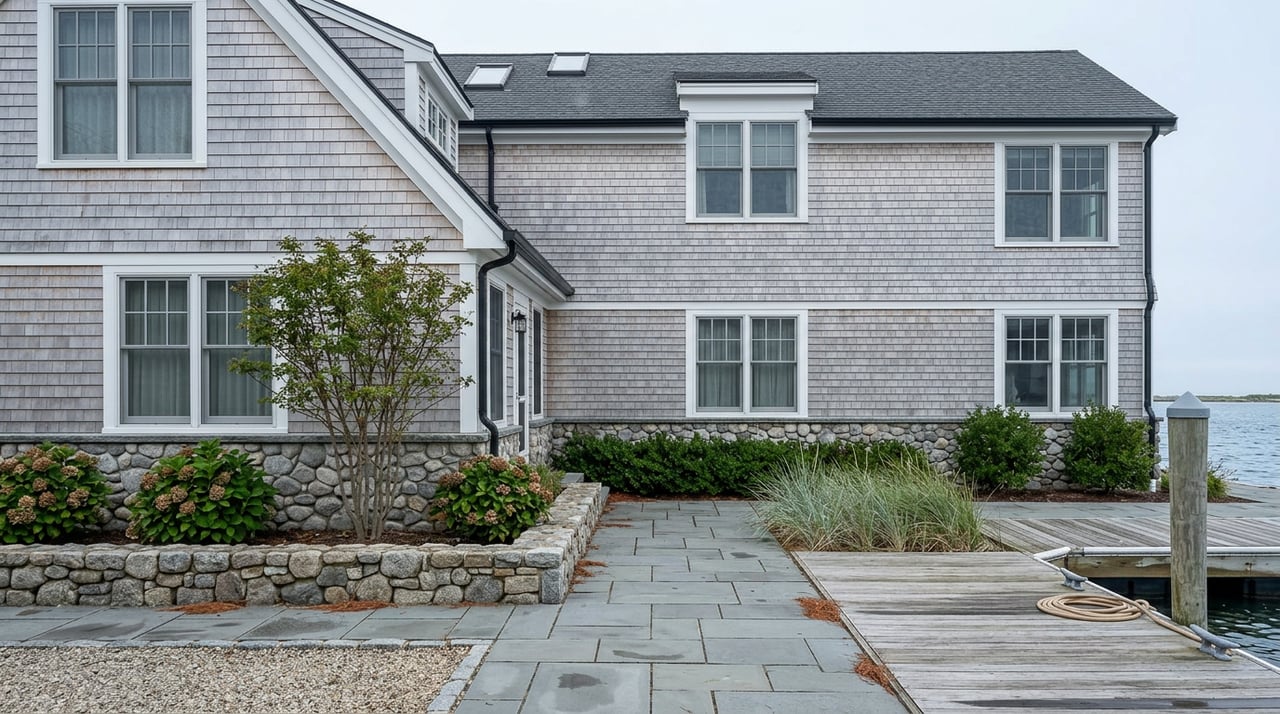
Picture this: you grab a coffee, stroll down to the dock, and step aboard your boat within minutes. That is the promise of a marina-access condo in New London County. The key is knowing exactly what you are buying, how your slip rights work, and what costs and rules come with that waterfront lifestyle. In this guide, you will learn how slips are structured, what to verify for your boat, which permits matter, and how to read the HOA details with confidence. Let’s dive in.
Marina-access condos, defined
Marina-access condos come in a few forms. Some include a deeded slip or a slip that is a limited common element allocated to your unit. Others provide an assigned seasonal spot or a license from the association or a nearby private marina. In some communities, you may rely on a municipal mooring rather than a private slip.
The wording in the condominium declaration controls your rights. Confirm whether your slip is deeded, assigned as a limited common element, or simply licensed year to year. Also confirm if the right to use the slip can be transferred, sublet, or rented to others, and what happens if your boat changes in size.
Boat fit and tidal access
A slip that looks perfect in photos may not fit your boat in practice. Confirm:
- LOA and beam limits for the specific slip, not just the dock.
- Approach depth and your boat’s draft at mean low water.
- Tidal range and timing, using local tide data from the New London station on the Thames River. You can review water levels at the NOAA New London station (ID 8461490) to understand your tidal window and clearance. Refer to the NOAA station page for tide benchmarks and chart references at tidesandcurrents.noaa.gov/benchmarks/8461490.html.
- Any bridge or vertical-clearance constraints on your route to open water.
If you enjoy early morning or late-season runs, check whether depth and tide windows will limit your routine. Ask the dockmaster about any siltation or shoaling patterns and whether dredging is planned.
Rules, permits, and who is in charge
In Connecticut, dock size, placement, and many water-dependent improvements are regulated at the state level. The Connecticut Department of Energy and Environmental Protection (DEEP) publishes guidance on residential docks, including permit types and typical timelines. Small, qualifying projects may use a General Permit, while larger or more complex work often requires an individual Structures, Dredging and Fill permit. Review the DEEP Residential Dock Guidelines for permit pathways and timing at portal.ct.gov/DEEP/Coastal-Resources/Living-On-The-Shore/Residential-Dock-Guidelines.
Waterfront owners have littoral rights, but submerged lands are held in public trust. That means docks must be the minimum size and reach needed for reasonable access. If you or your association plan any dock changes, expect multi-month reviews and coordination with state and possibly federal agencies.
Moorings are different from slips. Municipal harbormasters oversee mooring fields, rules, and permits. In New London, you can find dock-master contacts, mooring guidance, and reservation policies through the New London Port Authority at newlondonct.gov/port-authority/mooring-information. Moorings are licensed, not owned, and often have waitlists and annual fees.
Dredging is its own process. Maintenance or new dredging can add complexity, time, and cost. State and federal reviews apply, and expenses vary widely by site conditions and disposal rules. Industry and agency sources note that dredging can be costly and project-specific. For background on cost drivers, review EPA’s dredged material guidance at nepis.epa.gov/Exe/ZyPURL.cgi?Dockey=00001K2S.TXT.
HOA and legal essentials
Connecticut’s Common Interest Ownership Act sets the baseline for how associations operate. It covers the association’s authority to maintain and insure common elements, adopt budgets, and levy assessments, including costs for limited common elements like assigned slips. You can read the statute at cga.ct.gov/current/pub/chap_828.htm.
Your best single disclosure at purchase is the statutory resale certificate. It must state the current assessments, reserves for capital projects, insurance coverage, and any special assessments or restrictions. This is where you will spot upcoming dock repairs, dredging plans, or litigation that could affect costs. Review the required contents at law.justia.com/codes/connecticut/title-47/chapter-828/section-47-270.
Insurance matters, too. The association’s master policy typically covers common elements, but limits and deductibles vary. Ask for the master policy declarations and a summary of what you need to carry on your HO-6 policy. If the property is in a flood zone, confirm whether flood insurance is required and how the HOA handles it.
Costs to plan for
Beyond your mortgage, taxes, and utilities, marina-access ownership often includes:
- HOA or condo fees that may cover dock maintenance, utilities on the dock, and common-area costs.
- Separate slip or moorage fees if slips are leased or licensed rather than owned.
- Boat insurance with required liability limits and pollution coverage. Many marinas require proof of insurance and specific limits, with the marina or association named as additional insured. You can see typical license language at kennedypointmarina.com/slip-license-terms-conditions/.
- Potential special assessments for big-ticket items like dredging or dock reconstruction. Dredging projects can reach six figures for a community-scale basin depending on conditions, so strong reserves matter.
For local context, New London’s municipal Waterfront Park has published transient rate schedules in the past that show per-foot daily and weekly rates, which can help you benchmark local dockage. Keep in mind that private marinas and dockominium associations set their own rates and structures. For a sample municipal schedule, review the City fee schedule PDF at newlondonct.gov/filestorage/8239/8333/FEE_SCHEDULE_2021.pdf.
As a broad snapshot, the typical home value in New London County has hovered around the low 400-thousands in recent reporting, with the City of New London trending lower. Use these figures to frame purchase price against ongoing HOA and slip costs, then confirm current pricing with live listings.
Before you buy: a practical checklist
Use this list to shorten your learning curve and protect your budget:
Get the statutory resale certificate. Confirm current assessments, reserves, insurance coverage, and any pending special assessments. See the required contents at law.justia.com/codes/connecticut/title-47/chapter-828/section-47-270.
Read the declaration and bylaws. Identify exactly how the slip is treated: deeded, limited common element, or licensed. Confirm transfer rules and who pays for capital projects tied to slips. Reference the Common Interest Ownership Act at cga.ct.gov/current/pub/chap_828.htm.
Review budget, financials, minutes, and any reserve study. Look for notes on dredging, piling replacements, or dock utility upgrades in the past 12–24 months.
Request the master insurance declarations. Note the master-policy deductible and what you must insure personally. Ask if flood coverage is in place where applicable.
Verify the slip details in writing. Length and beam limits, permitted draft at mean low water, seasonal restrictions, guest policies, and the exact transfer process. If the slip has a separate tax parcel, pull the tax record.
Confirm tides and approach. Use NOAA’s New London station 8461490 for water levels and planning at tidesandcurrents.noaa.gov/benchmarks/8461490.html. Ask about bridge clearances and any shoaling.
Read the marina or association rules. Look for required insurance limits, additional insured language, and rules on maintenance, storage, and haul-out. A representative example is at kennedypointmarina.com/slip-license-terms-conditions/.
Call the dockmaster or harbormaster. For New London, find contacts and policies at newlondonct.gov/port-authority/mooring-information. Ask about mooring permits, seasonal policies, and waitlists.
Plan for permits if you want changes. DEEP’s dock guidance outlines timelines and permit paths at portal.ct.gov/DEEP/Coastal-Resources/Living-On-The-Shore/Residential-Dock-Guidelines. Complex work can take months, so set expectations early.
Example: a 32-foot cruiser
You are eyeing a New London condo and own a 32-foot cruiser with an 11-foot beam and 3.5-foot draft. Here is how to size up the fit:
- Ask the HOA for the slip’s LOA and beam limits and the permitted draft at mean low water.
- Check NOAA station 8461490 to understand low-water timing and seasonal ranges, then compare that to the approach depth.
- Confirm bridge clearances on your route, including any railroad or highway spans along the Thames River corridor.
- Review marina rules for insurance minimums and proof-of-insurance requirements. Plan to name the association or marina as an additional insured and keep your certificate up to date.
- Read the minutes for any dredging or piling work. If dredging is planned, ask whether a special assessment is expected and how costs are allocated among slip and non-slip owners.
Seasonality and live-aboard rules
Many Long Island Sound marinas operate on a spring-to-fall season, with winter storage arranged separately. Some limit or prohibit long-term live-aboard use. If year-round access matters, confirm season dates, off-season rules, and storage options in advance. To compare typical regional marina offerings and seasons, browse Connecticut marinas at predictwind.com/marinas/united-states/connecticut.
Timelines and expectations
Paperwork for a condo purchase takes time, and so do waterfront permits. Plan a few weeks to receive and review the resale certificate, declaration, minutes, budget, and insurance documents. If any dock work or dredging is contemplated, permit reviews can range from about three months for smaller General Permit items to six to twelve months for individual permits. You can find DEEP’s permit types and guidance at portal.ct.gov/DEEP/Coastal-Resources/Living-On-The-Shore/Residential-Dock-Guidelines.
Partner with a shoreline expert
Buying near the water blends lifestyle and technical due diligence. When you work with a local advisor who understands docks, tides, flood risk, and association governance, you move faster and with fewer surprises. If you are weighing options in New London County, let’s talk through slip rights, budget planning, and the communities that fit how you actually boat.
Ready to start? Connect with Jennifer Gurnell for local insight and white-glove guidance at every step.
FAQs
What does a “deeded slip” mean in New London County?
- A deeded slip is a property interest that conveys with ownership, while an assigned or licensed slip is a use right granted by the HOA or marina. Your condo declaration will define which you have and how costs are allocated.
Who manages mooring permits in New London, CT?
- The municipal harbormaster and Port Authority manage mooring fields, permits, and waitlists. Review local policies and contacts at the New London Port Authority page: newlondonct.gov/port-authority/mooring-information.
What permits are needed to modify a dock in Connecticut?
- DEEP regulates most dock work. Smaller projects may qualify for a General Permit, while larger projects often need an individual permit. Review guidance and timelines at portal.ct.gov/DEEP/Coastal-Resources/Living-On-The-Shore/Residential-Dock-Guidelines.
How do I check if my boat will clear at low tide?
- Compare your draft to the approach depth at mean low water and confirm tidal ranges and timing via NOAA’s New London station 8461490 at tidesandcurrents.noaa.gov/benchmarks/8461490.html.
What HOA documents are most important for a marina-access condo?
- The resale certificate, declaration and bylaws, budget, financials, reserve study, and recent minutes are essential. The resale certificate requirements are listed at law.justia.com/codes/connecticut/title-47/chapter-828/section-47-270.
How big can dredging or dock repairs impact costs?
- Community dredging and major dock projects can be expensive and may lead to special assessments. Costs vary by site. For background on cost drivers, see EPA guidance at nepis.epa.gov/Exe/ZyPURL.cgi?Dockey=00001K2S.TXT.
What insurance do marinas or HOAs usually require for boaters?
- Many require liability and pollution coverage with the marina or HOA named as additional insured, plus an annual certificate of insurance. Representative terms are shown at kennedypointmarina.com/slip-license-terms-conditions/.