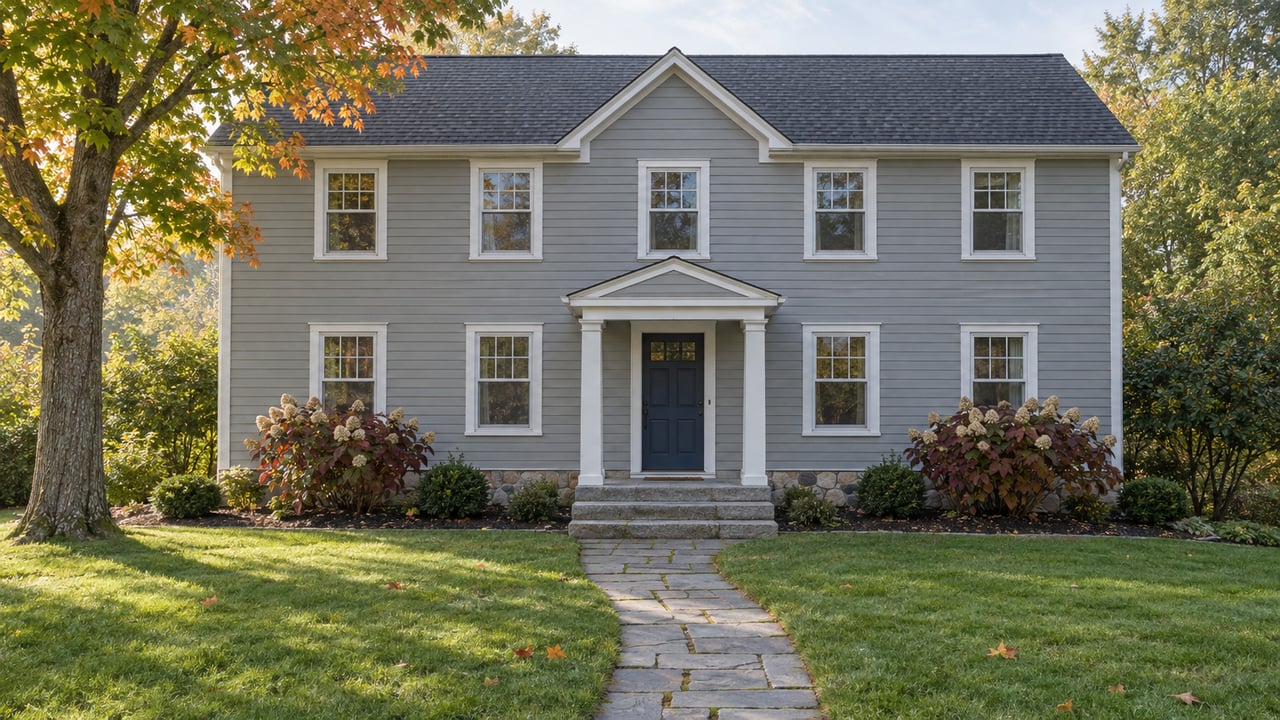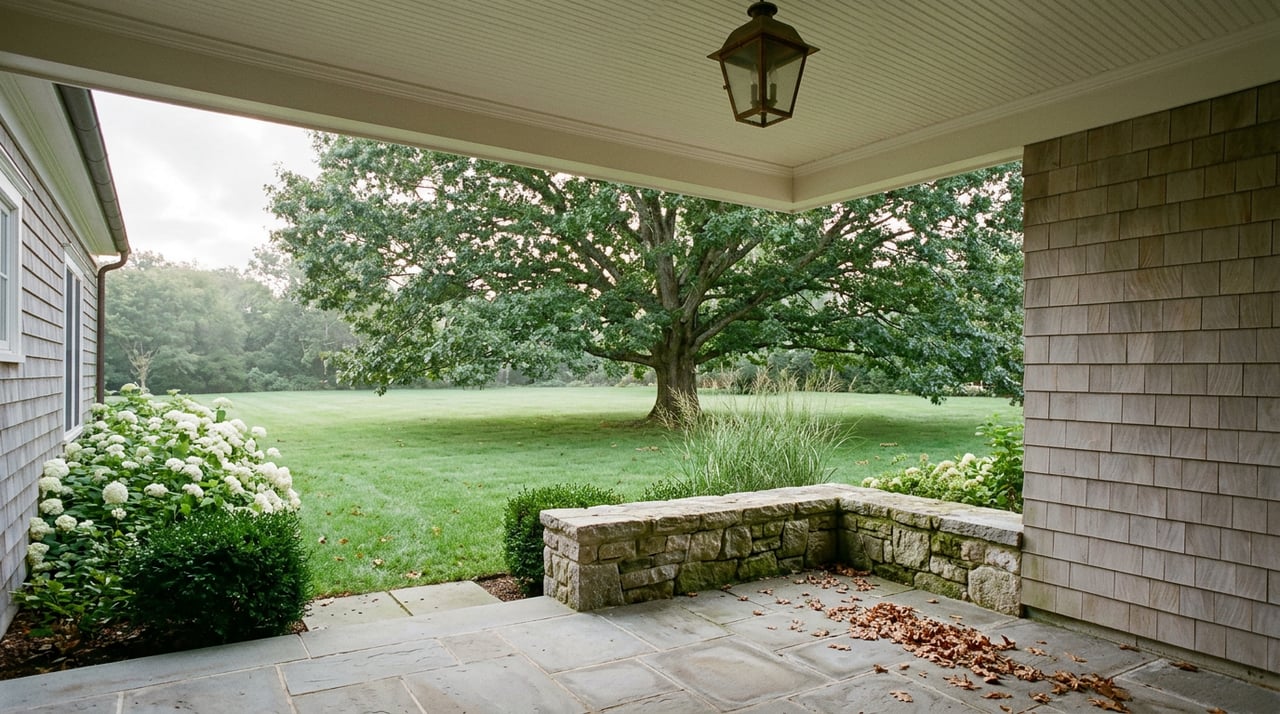
Thinking about selling your Middletown waterfront home? Riverfront listings are special, and buyers expect clear answers about docks, flood risk, permits, and water access. You want top value and a smooth closing without last‑minute surprises. This checklist walks you through exactly what to do 60 to 90 days before you list, what to test and document, how to stage and market the shoreline, and who to contact locally. Let’s dive in.
Why a waterfront plan matters in Middletown
Middletown’s Connecticut River corridor sits under several layers of oversight. You may need to account for municipal inland‑wetlands, city harbor management, state coastal review, and federal rules for navigable waters. Recent riverfront activity like the Return to the Riverbend project highlights both the potential of the waterfront and the importance of clear environmental documentation for buyers. You can read more about that local effort in this coverage of the Return to the Riverbend project.
Flood zones also influence financing and insurance. Start by pulling your address on the FEMA Flood Map Service Center to see your current zone and Base Flood Elevation. If you are in a Special Flood Hazard Area, expect buyers and lenders to request an Elevation Certificate.
Connecticut’s coastal program supports local Harbor Management Plans and Harbor Masters. If your property includes a dock or mooring, consistency with local harbor rules and state permits matters. Learn how towns coordinate with the state on the municipal harbor management overview.
Two numbers help set expectations for shoreline structures. CT DEEP lists Middletown’s Coastal Jurisdiction Line around 3.1 feet NAVD88, and the state uses a planning sea level rise scenario of about 0.5 meters by 2050. Both can shape future permit reviews and buyer questions. See the Coastal Jurisdiction Line fact sheet.
Know your rules and disclosures early
Being proactive builds trust with buyers and avoids delays.
- Residential Property Condition Report (RPCR). CT requires most sellers of 1–4 unit homes to provide this written disclosure before a binder or contract. If you do not provide it, the law requires a credit to the buyer at closing. Review the statute governing the Residential Property Condition Report.
- Lead‑based paint. If your home was built before 1978, federal law requires lead disclosure and provides buyers a 10‑day window to test if they choose. See the federal lead‑paint disclosure rule.
- Private wells and septic. There is no single, uniform statewide seller certificate for wells or septic in Connecticut. Local health departments and lenders set requirements. It is smart to obtain well tests and septic records in advance because buyers and lenders often ask for them.
- Docks, moorings, and shoreline work. CT DEEP regulates work waterward of the Coastal Jurisdiction Line. Do not assume a neighbor’s older dock would be permitted today. Review the state’s Residential Dock Guidelines.
- Local permits. In Middletown, upland and water‑related activities can involve the Inland Wetlands & Watercourses Agency, harbor management body, and the Building Department. Start with the Inland Wetlands & Watercourses Agency to understand local review.
Pre‑listing inspections and tests to schedule
Book these 60 to 90 days before you plan to go live. Your goal is to spot and fix issues that derail financing, create big repair requests, or add liability. Keep a tidy folder of reports, permits, and receipts for buyers.
A) Systems and structure
- Full pre‑list home inspection. Hire a licensed inspector to cover safety, systems, and maintenance. Use the report to guide simple fixes and create a repair receipts packet. This reduces surprises during buyer due diligence.
- Foundation or structural review if needed. If you see cracking or have concrete concerns, consult a licensed structural engineer. Connecticut provides information on the state’s response to crumbling foundations caused by pyrrhotite. Learn more about the crumbling foundations program.
B) Waterfront‑specific items
- Dock, pier, or float inspection. Ask a marine contractor or coastal engineer to document the condition of pilings, fastenings, and electrical. Gather the full permit history, including any DEEP or Army Corps approvals. The Residential Dock Guidelines outline size limits and permit paths.
- Bulkhead or seawall evaluation. Have an engineer assess the structure and note any needed repairs. DEEP often favors less damaging solutions like living shorelines where suitable, so avoid unpermitted shoreline work before speaking with the town and state.
C) Utilities and environmental tests
- Well water test. The CT Department of Public Health recommends baseline tests for potable wells and additional panels as appropriate. Lenders and buyers often want recent results. See guidance on private well testing.
- Septic records and evaluation. Collect pump, service, and repair records, plus any as‑built plan. If your system is older or untested, schedule a professional evaluation so you can present options with quotes.
- Flood and elevation. If FEMA maps show your property in a Special Flood Hazard Area, order or locate an Elevation Certificate from a surveyor or engineer. This helps buyers understand insurance costs. Check your address on the FEMA Flood Map Service Center.
- Heating oil tanks and site history. Disclose any underground or aboveground tanks and provide testing or remediation documents. If you are near areas with past industrial activity, have any environmental reports ready. You can reference recent local initiatives like the Return to the Riverbend project when buyers ask about regional cleanup efforts.
D) Specialty tests as indicated
- Radon. Connecticut’s geology can produce elevated radon in air or water. If you have results or a mitigation system, include them.
- Lead paint. Homes built before 1978 require federal disclosure. Keep any prior testing or abatement documentation. Review the lead disclosure rule.
- Moisture and mold. If you have a history of water intrusion, consider a moisture or mold assessment to prevent late‑stage concerns.
Stage and market to spotlight the water
Your listing should make water access and views unmistakable without triggering new permits.
- Tidy and prune, do not clear. Trim view‑blocking branches and remove clutter like old tarps or unused marine gear. If you have shoreline plantings or erosion controls, gather any permits so buyers can see the paper trail.
- Define living spaces. Set up seating on the deck, mark a neat path to the dock, and show a sensible spot for kayaks or paddleboards. Keep anything not included in the sale clearly labeled or removed.
- Professional photography and video. Order interiors, exteriors, a twilight hero shot, aerials, and a clean floor plan. For any drone work, hire an FAA‑certified Part 107 pilot who complies with Remote ID. Confirm certification and insurance. Review commercial drone basics on the FAA Part 107 page.
- Message the water rights. In the listing, clearly state what conveys: dock ownership and inclusion, mooring status, any recorded easements, and known erosion or repair history. DEEP’s dock guidelines help you frame what is typical and permitted.
Your 60 to 90 day action timeline
Work backward from your target list date.
60 to 90 days out
- Interview listing agents and request a comparative market analysis specific to Middletown’s riverfront segment.
- Book a pre‑listing home inspection and specialty inspections: dock, seawall, well, septic, and any structural review.
- Gather deed, survey, past permits, recent tax and utility bills, and any shoreline or dock approvals.
- Start bids for priority repairs identified in your inspections.
30 to 60 days out
- Complete priority repairs with licensed contractors and keep all invoices and permits.
- Schedule well sampling with a CT‑certified lab and pump or service the septic if due. See DPH guidance on private well testing.
- If dock or shoreline work is needed, contact DEEP’s Land and Water Resources Division for permit guidance using the Residential Dock Guidelines as your starting point.
- Book professional photography, video, and drone for the two to three weeks before launch.
7 to 14 days out
- Final deep clean and light staging. Tidy shoreline edges without disturbing regulated vegetation.
- Capture photos and video. Get the drone pilot’s Part 107 certificate proof and insurance on file. See the FAA Part 107 page if you have questions.
- Assemble your “buyer packet”: RPCR, inspection summaries, well and septic results, permits and invoices, survey, and any elevation or flood materials. Review the RPCR statute here: CT Residential Property Condition Report.
Day of go‑live
- Launch with your full media kit and upload the buyer packet to streamline showings.
- Be ready to provide technical follow‑ups quickly, like an Elevation Certificate or dock permit copies.
Who to contact in Middletown and Connecticut
Getting to the right office early saves weeks.
- Middletown Inland Wetlands & Watercourses Agency. Upland review and applications. Start here for local guidance: Inland Wetlands & Watercourses Agency.
- Harbor management and Harbor Master. For moorings and harbor consistency. City code details are available through Middletown’s code pages.
- Building Department. For building permits and certificates of occupancy. Confirm permit history before you list.
- CT DEEP Land & Water Resources Division. Pre‑application questions for docks, tidal wetlands, and shoreline work. Use the Residential Dock Guidelines as a reference point.
- CT Department of Public Health / local health department. Questions on well testing and septic oversight begin with DPH guidance on private well testing.
Documents buyers and lenders expect
Create a digital folder you can share on day one.
- Completed RPCR and any referenced engineer or inspection reports.
- Survey, deed, title work, and any recorded easements or dock agreements.
- Home inspection report with repair invoices and permit copies.
- Well test lab results and septic pump, service, and repair records, plus any as‑built plan.
- Dock, pier, or bulkhead inspection summaries and any DEEP or Army Corps approvals.
- Flood documentation, including FEMA map excerpts and an Elevation Certificate if you are in a Special Flood Hazard Area.
- Foundation or concrete testing reports if applicable.
Common buyer friction points and how to reduce them
- Flood zone and elevation. Provide your Elevation Certificate early and be ready with insurance quotes. Buyers feel more confident when they can see real numbers.
- Dock or shoreline permits. Share complete permit history and recent repair invoices. If something is missing, outline a clear post‑sale compliance path.
- Septic uncertainty. Pump and inspect before listing if timing allows. Present quotes for any recommended work.
- Well water quality. Deliver certified lab results and note any installed treatment system.
- Concrete or structural questions. Include engineer letters or test results so buyers do not assume the worst.
Preparing this way helps you command stronger offers and move from accepted offer to closing with fewer hurdles. If you would like a tailored plan and a media strategy built for Middletown’s riverfront, reach out to Jennifer Gurnell to get started.
FAQs
What makes selling a Middletown waterfront home different?
- Waterfront sales include added reviews for docks, shoreline work, and flood risk, so buyers expect permits, elevation data, and clear documentation upfront.
How do I check my Middletown home’s flood zone before listing?
- Look up your address on the FEMA Flood Map Service Center to see your current zone and Base Flood Elevation.
Do I need to disclose a dock or mooring permit when I sell?
- Yes, buyers will ask about permit status; share DEEP approvals, mooring details, and any city harbor documentation during pre‑listing and showings.
What is the Connecticut RPCR and when is it due?
- The Residential Property Condition Report is a required seller disclosure for most 1–4 unit homes and must be provided before a binder or contract.
Which well water tests do buyers expect in Connecticut?
- Most buyers want recent certified lab results with bacteria and basic chemistry; additional tests depend on local guidance and lender requests.
Can I use drone photos to market my riverfront home?
- Yes, but your photographer must be an FAA‑certified Part 107 pilot who follows all current rules including Remote ID.