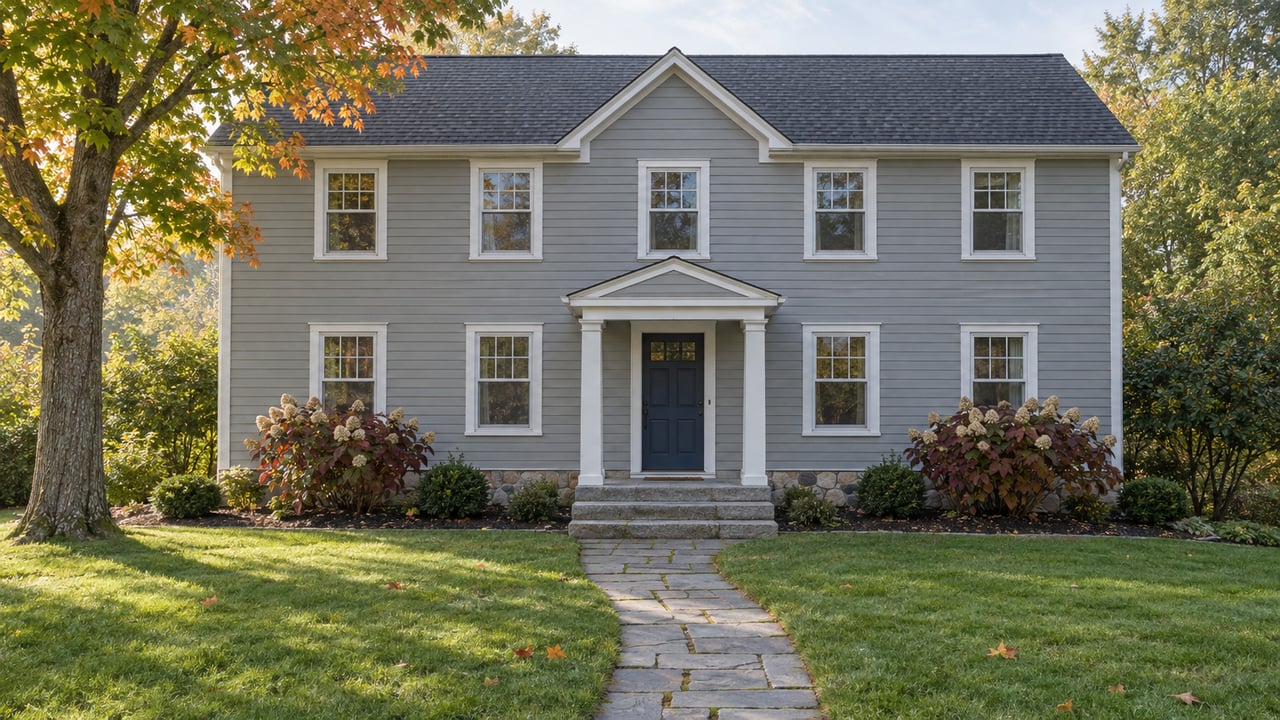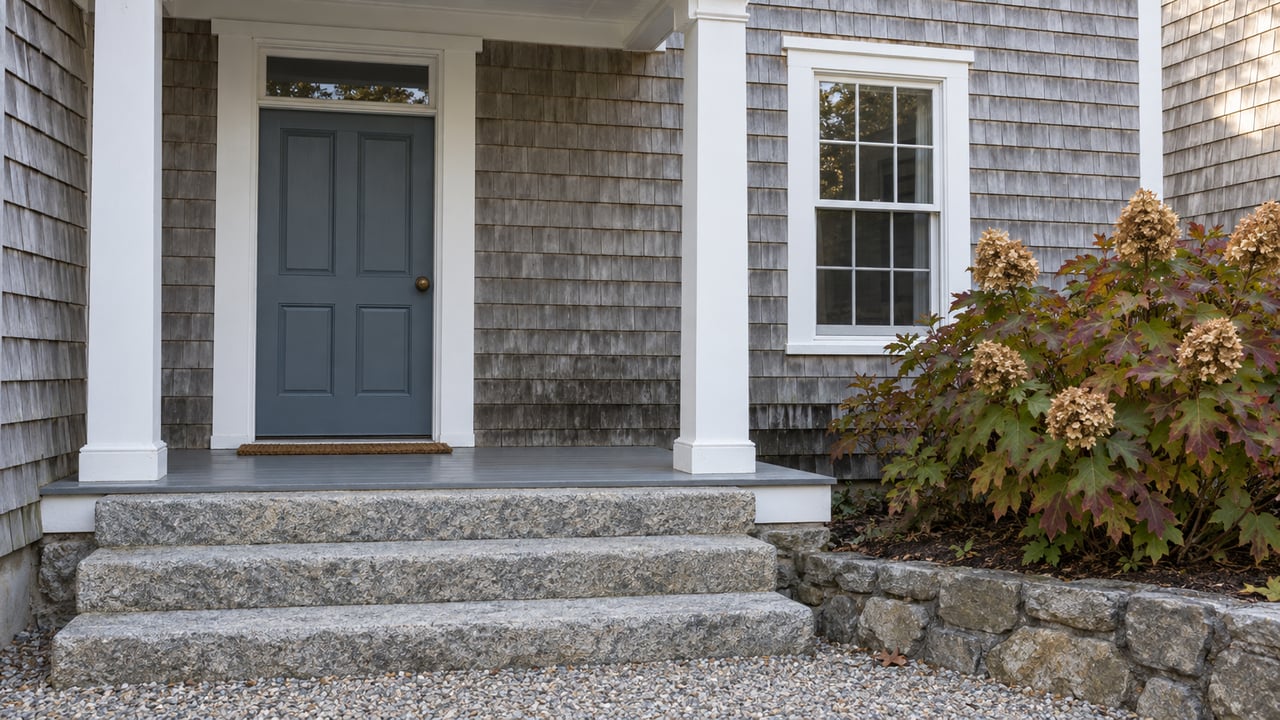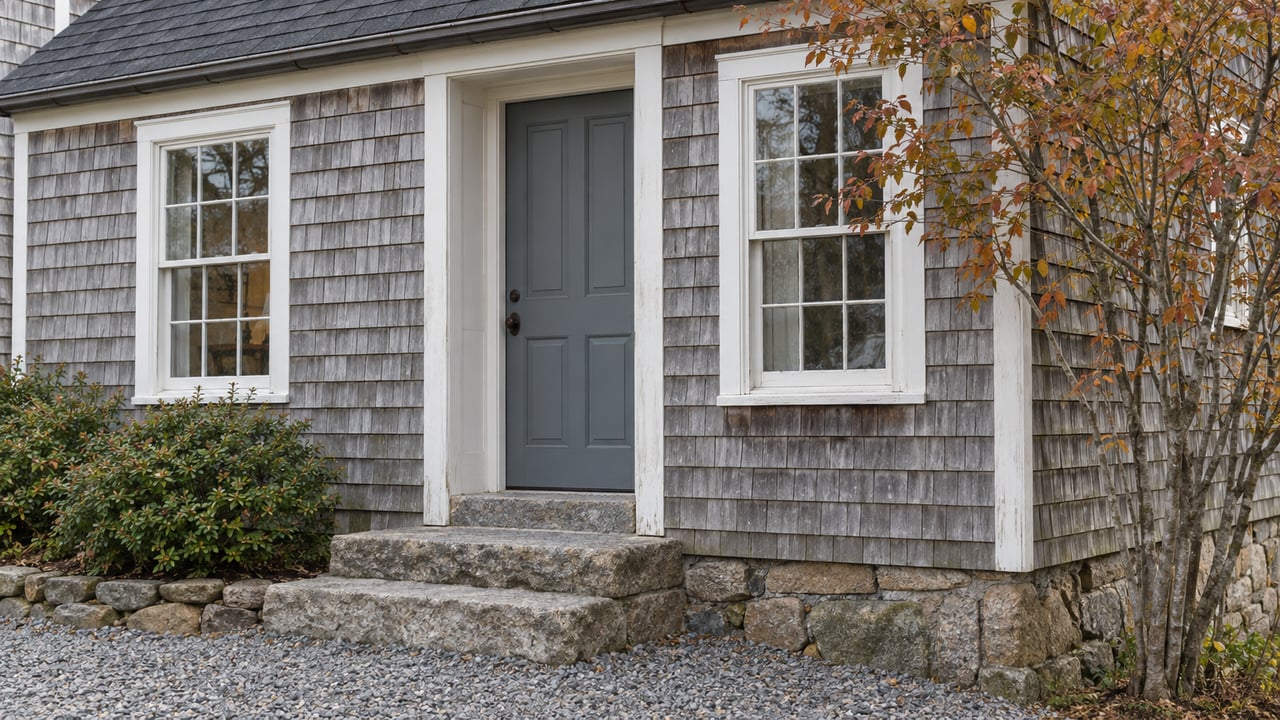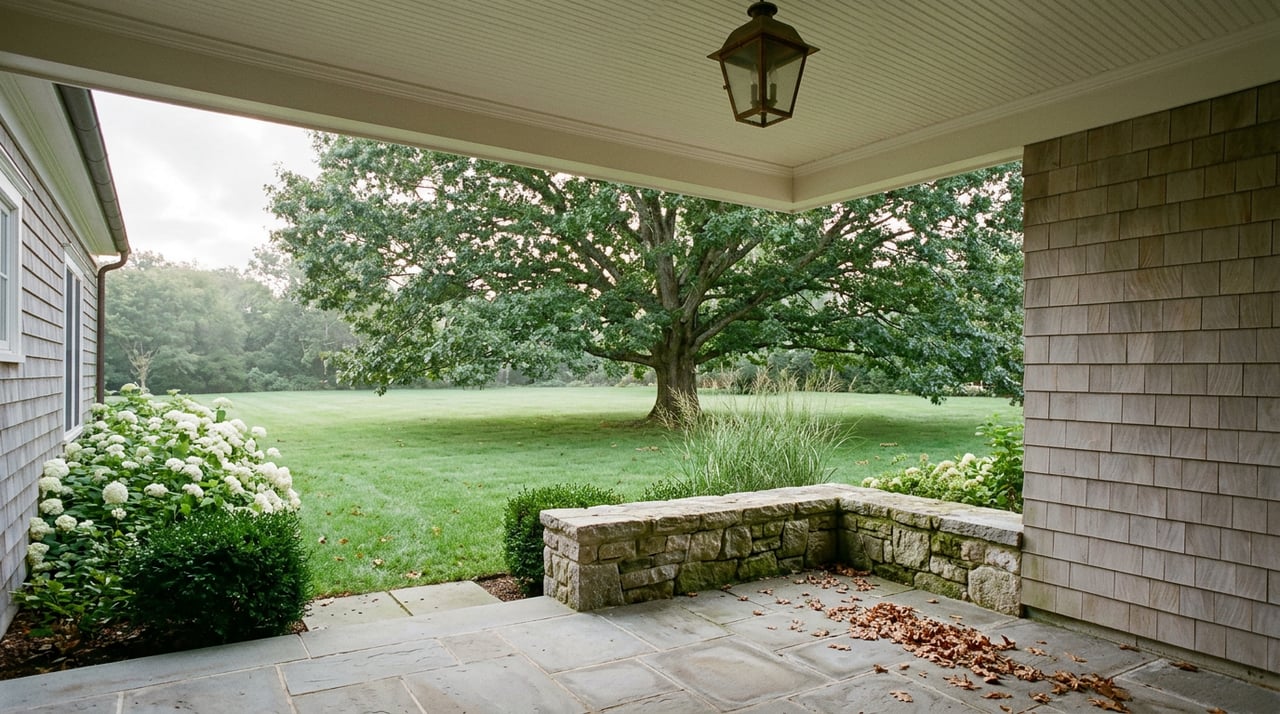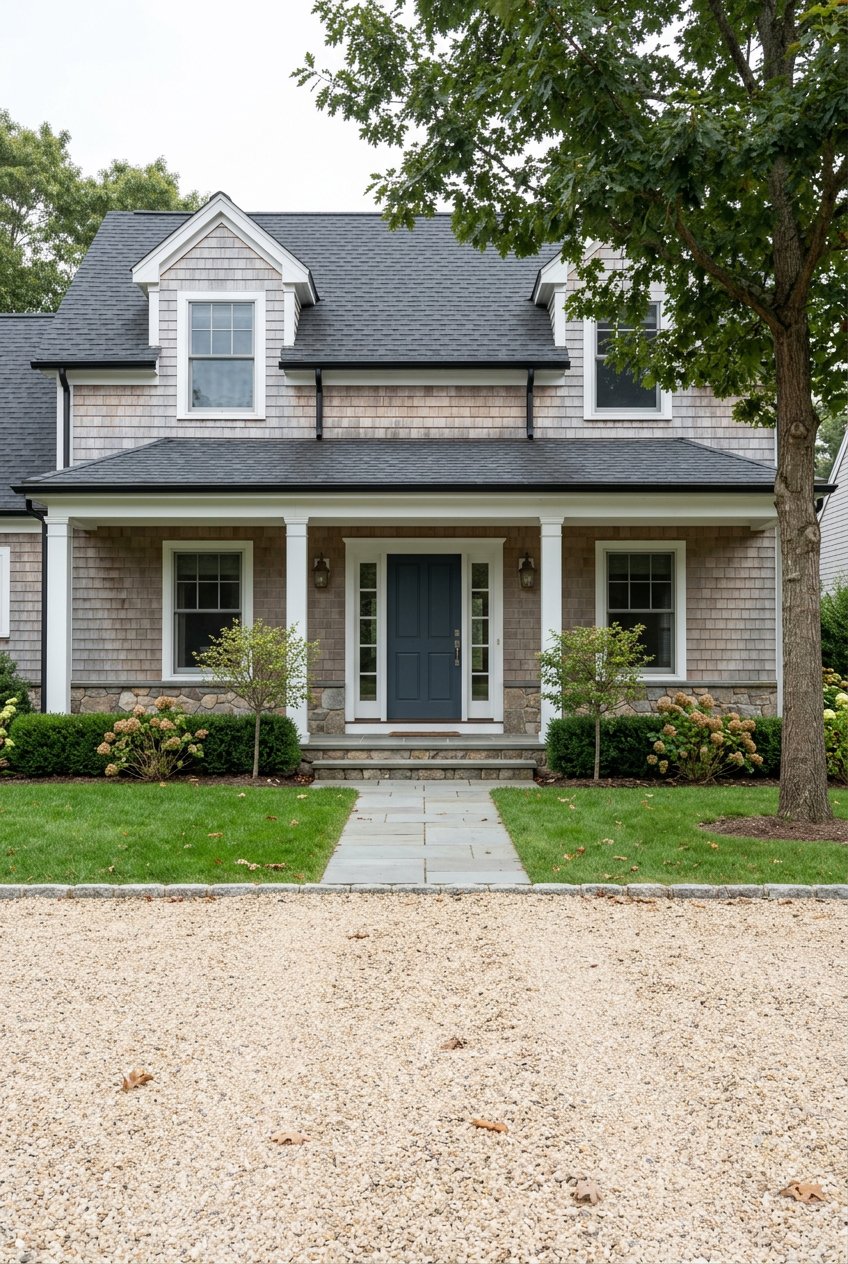
Dreaming of a weekend place on the Connecticut coast, but unsure where to start? You’re not alone. Second-home buyers often juggle busy schedules, tight decision windows, and unique coastal questions like flood insurance and dock rules. This guide gives you a clear, local-first roadmap to buying in Greenwich and coastal Fairfield County so you can move forward with confidence. You’ll learn what to expect on price, how to budget ongoing costs, which lender rules matter, and the key coastal checks that protect your investment. Let’s dive in.
Quick market snapshot
Greenwich is a high-end, variable market. Redfin reported a median sale price of about $1,949,500 for all home types in February 2026. Prices vary widely by neighborhood and property type.
Across coastal Fairfield County, the market is more mixed. County medians recently hovered near $625,000 (February 2026), but waterfront and luxury enclaves in towns like Darien, Westport, and Old Greenwich can trade far above the countywide figure. Always assess by neighborhood and by property type, not just the overall median.
Two helpful reminders:
- Medians shift by source and timeframe. Reference the month and source when comparing reports.
- Neighborhood factors like waterfront access, elevation, and renovation level drive big pricing differences.
What you’ll see on the coast
- Single-family waterfront homes with full or partial water access, bulkheads, or docks.
- In-town coastal cottages and renovated historic homes in walkable areas like Old Greenwich and Riverside.
- Luxury estates and newer compounds on larger lots.
- Condos and townhouses near marinas or village centers for lower maintenance.
- Select small multi-unit properties in some towns, with different financing and use rules.
Each category carries different maintenance, insurance, and permitting considerations. Match your lifestyle goals to the property type, then underwrite the true carrying costs.
Budget the full picture
You’ll enjoy your second home more when the numbers are clear. Build a realistic monthly and annual budget that covers the items below.
Property taxes: how CT towns calculate
Connecticut towns use assessed value multiplied by a mill rate (one mill equals $1 of tax per $1,000 of assessed value). Greenwich explains the mill-rate concept and how bills are computed in its municipal FAQ. When you model a purchase, ask for the seller’s latest tax bill and the town assessor’s parcel card rather than relying on averages. That gives you a precise baseline for your annual taxes. Learn more in the Town of Greenwich’s overview of mill rates and assessments in the town’s tax FAQ.
Insurance: homeowners and flood
- Homeowners insurance: Coastal and waterfront homes often carry higher premiums, especially older or non-elevated structures. Get a property-specific quote early.
- Flood insurance: If any part of the building lies in a FEMA Special Flood Hazard Area and you use a federally regulated lender, flood insurance will be required for the life of the loan. Interagency guidance explains the rule and why lenders order a flood determination at underwriting. Review the federal Q&A on lender-required flood insurance to understand timing and documentation in the interagency flood guidance.
- Waiting period: Many NFIP policies have a typical 30-day waiting period. The Connecticut Insurance Department outlines key consumer points and timing considerations in its flood insurance guidance. Build this into your contract timeline.
Maintenance, reserves, and property management
- Maintenance rule of thumb: Budget at least 1 percent of the purchase price per year for routine upkeep. For older or waterfront homes with docks, bulkheads, or specialty systems, plan toward the higher end of the range and set aside capital reserves. For a quick overview of the 1 percent guideline, see this maintenance summary from AmeriSave.
- Property management: If you will not be onsite year-round or plan to rent seasonally, include management, cleaning, vacancy, and booking costs. Full-service vacation-rental managers often charge roughly 20 to 30 percent of booking revenue. Get local quotes and confirm any permits needed for short-term rentals. For context on fee ranges, review this overview of vacation property management fees.
Closing taxes at resale (seller cost)
Connecticut imposes a state and municipal real-estate conveyance tax. The state uses a marginal structure with higher brackets for high-value residential sales. Sellers typically pay this tax at recording, which can impact net proceeds in luxury transactions. Confirm the current brackets and filing steps for your deal in the Connecticut DRS summary of conveyance tax changes.
Financing a second home: what changes
Second homes are not underwritten like primary residences. Tell your lender upfront that the home is a second home so they apply the right product.
Occupancy classification
FHA-insured loans are designed for principal residences and require you to occupy the home within 60 days and intend to live there for at least one year. FHA is generally not intended for second-home or vacation-only purchases. See the FHA Single-Family Housing Policy Handbook for details on primary residence requirements.
Reserves and pre-approval
Agency guidance sets minimum reserves that lenders verify for second homes. Fannie Mae’s Selling Guide commonly requires post-closing liquid reserves equal to at least two months of your monthly housing payment (PITIA) for second-home purchases. Some lenders add overlays. Start pre-approval early so you know your reserve target and can document funds. Review the reserve standards in the Fannie Mae Selling Guide.
Down payment and PMI
Down-payment minimums vary by lender and change with market conditions. Many conventional programs expect at least 10 percent down for a second home, and PMI may apply with less than 20 percent down unless your lender offers a specific alternative. Ask your loan officer for a written Loan Estimate that reflects second-home occupancy.
Appraisal, title, survey, and attorney closing in CT
Connecticut is an attorney-closing state. Attorneys typically coordinate contracts, escrow, title work, and recording. Coastal properties can have easements, tidal or riparian rights, and survey considerations. Plan attorney selection early and allow time for title and survey review.
Coastal due diligence that protects you
Flood zone, elevation, and insurance pricing
Your lender will order a FEMA flood determination. If the building lies in a Special Flood Hazard Area, flood insurance will be required for the loan term. Premiums vary based on elevation, construction details, and whether you use the NFIP or a private policy. Get a written flood quote during your contingency period, and budget any required escrow. For the regulatory context, see the federal flood insurance Q&A.
Sea-level rise and long-term resiliency
State and university modeling recommends planning for notable sea-level rise on Long Island Sound by mid-century. This may influence future flood frequency, permits, mitigation standards, and insurance availability for lower-lying homes. Review parcel-level resources and municipal planning guidance through UConn CIRCA’s coastal resilience materials.
Specialized inspections
Beyond a general home inspection, consider:
- Bulkhead, dock, and piling condition
- Elevation certificate and flood-venting where applicable
- Seawall or shoreline stabilization review by a qualified engineer
- Septic versus sewer connection
- Past coastal erosion or tidal encroachment history
Your step-by-step roadmap
Use this concise checklist to move from idea to keys in hand.
- Clarify how you will use the home
- Weekend/holiday retreat, seasonal rental, or active short-term rental. Your answer drives financing, insurance, and any permitting.
- Scan the market and set a budget
- Translate recent neighborhood pricing into a monthly model: mortgage, taxes, insurance, HOA, maintenance, and reserves.
- Get second-home pre-approval
- Tell your lender it is a second home. Ask about reserve requirements and overlays. Request a Loan Estimate that shows full PITIA plus taxes and insurance. See Fannie Mae’s reserve rules in the Selling Guide.
- Validate property taxes
- Ask for the seller’s latest tax bill and the assessor’s parcel card. Greenwich details tax calculations and mill rates in its FAQ.
- Check flood and hazard status early
- Use FEMA map tools and request preliminary flood quotes. Many NFIP policies have a typical 30-day waiting period, noted by the Connecticut Insurance Department in its consumer guidance.
- Structure the contract for protection
- In Connecticut, involve your attorney early. Make your agreement contingent on inspection, clear title, survey, flood and homeowners insurance quotes, and any local permits.
- Order inspections and specialists
- General inspection plus coastal-specific checks for docks, bulkheads, elevation, and shoreline structures. Add an engineer or environmental professional if needed.
- Confirm closing taxes and logistics
- Sellers typically pay Connecticut’s conveyance tax at recording. Review the state’s conveyance tax summary and coordinate title, escrow, and recording with your attorney.
- Set up post-closing care
- Finalize insurance, set a maintenance calendar, and, if renting, budget management commissions and cleaning. See typical fee ranges for vacation rentals in this overview.
Pro tips from a shoreline specialist
- Lead with reserves. Lender-required reserves for second homes can surprise buyers. Nail this in pre-approval to avoid delays.
- Model actual taxes and insurance, not estimates. Use the tax bill, assessor card, and written insurance quotes.
- Investigate flood early. Confirm the parcel’s flood determination, get a written flood quote, and plan for any 30-day waiting period noted by the Connecticut Insurance Department. Review lender requirements in the federal flood insurance Q&A.
- Think long-term resiliency. Use CIRCA’s resilience resources to understand elevation and future inundation in your exact area.
With 30-plus years on the Connecticut shoreline, award-winning production, and deep experience with docks, flood zones, and marina access, you get clear advice and white-glove coordination from first tour to closing. When you are ready to explore Greenwich and coastal Fairfield second homes, connect with Jennifer Gurnell for a focused, step-by-step plan.
FAQs
What is the current median sale price in Greenwich for context?
- Redfin reported a median sale price of about $1,949,500 for all home types in February 2026, with wide variation by neighborhood and property type.
How are property taxes calculated in Greenwich and nearby towns?
- Towns apply a mill rate to the assessed value; Greenwich explains mill rates and assessments in its municipal tax FAQ. Ask for the seller’s tax bill and the assessor’s parcel card to model your exact taxes.
Do I need flood insurance for a coastal second home in Fairfield County?
- If a federally regulated lender finances the home and any part of the building lies in a FEMA Special Flood Hazard Area, flood insurance is required; see the federal flood insurance Q&A, and remember many NFIP policies have a typical 30-day waiting period per the Connecticut Insurance Department’s guidance.
What cash reserves will my lender expect for a second-home mortgage?
- Fannie Mae guidance commonly requires verified reserves equal to at least two months of the property’s monthly payment (PITIA) for second-home purchases; review the Selling Guide and ask about any lender overlays.
Can I use an FHA loan to buy a second home in Greenwich or Fairfield?
- FHA loans are designed for principal residences, with an occupancy requirement to move in within 60 days and intend to live there for at least one year; see the FHA policy handbook.