Picture yourself sipping coffee as the morning light lifts over the Connecticut River. The water is calm, herons glide by, and your day starts with a view most people only see on vacation. If you’ve been dreaming about a riverfront cottage in Middlesex County, you’re not alone. This guide helps you weigh the lifestyle benefits with the practical realities, so you can decide with confidence. Let’s dive in.
Why Middlesex riverfront life works
Middlesex County hugs the Connecticut River valley, giving you wide freshwater views, wooded banks, and small-town charm. Local sites range from gentle lawns down to the water to bluff-top cottages that look across long river reaches. Some stretches see tidal influence closer to Long Island Sound while upriver areas near Middletown feel more purely riverine.
You live close to everyday amenities while keeping your weekends outdoors. Regional highlights include Gillette Castle State Park in East Haddam, the Connecticut River Museum in Essex, and the Essex Steam Train & Riverboat. Town parks, boat launches, and marinas are common, and most cottage owners shop and dine in nearby villages.
Seasonal rhythms you’ll love
Spring brings rising water from snowmelt and rain, along with faster currents and drifting debris. It is also a great bird-watching season as migratory species move along the corridor. Summer is prime time for boating, kayaking, paddleboarding, fishing, and evenings on the deck.
Fall is a showstopper with valley foliage and calm water days that stretch boating into October when weather cooperates. Winter quiets the river. Some reaches develop intermittent ice while many sections remain open water. Winterizing boats and plumbing becomes part of your routine.
Boating, fishing, and access
The boating season typically runs late spring through early fall. Launch ramps and marinas serve a range of craft, from center consoles to kayaks. Local rules vary by town and stretch of river, including speed limits and no-wake zones, so you’ll want to learn the specifics where you live.
Fishing includes freshwater species and seasonal migratory runs depending on your location along the river. Management is handled at the state level. You can keep your setup simple with a kayak and a few rods or coordinate slip space if you have a larger boat.
What cottages here are like
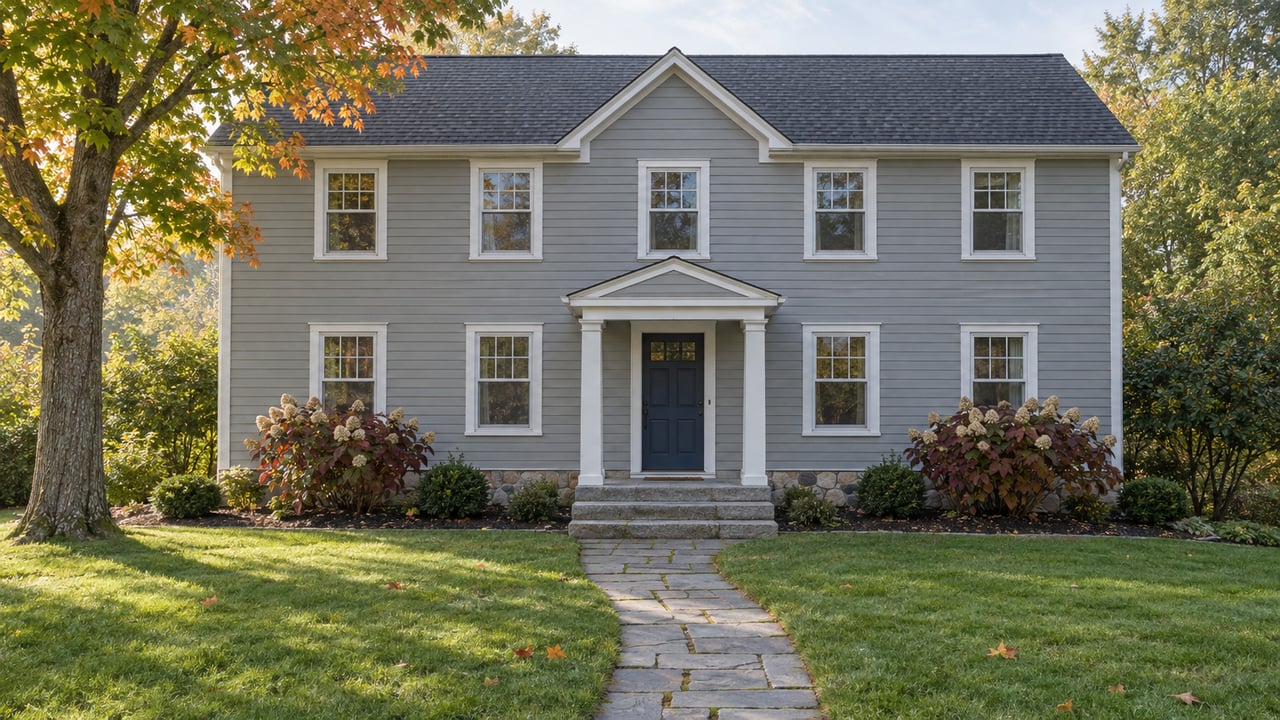
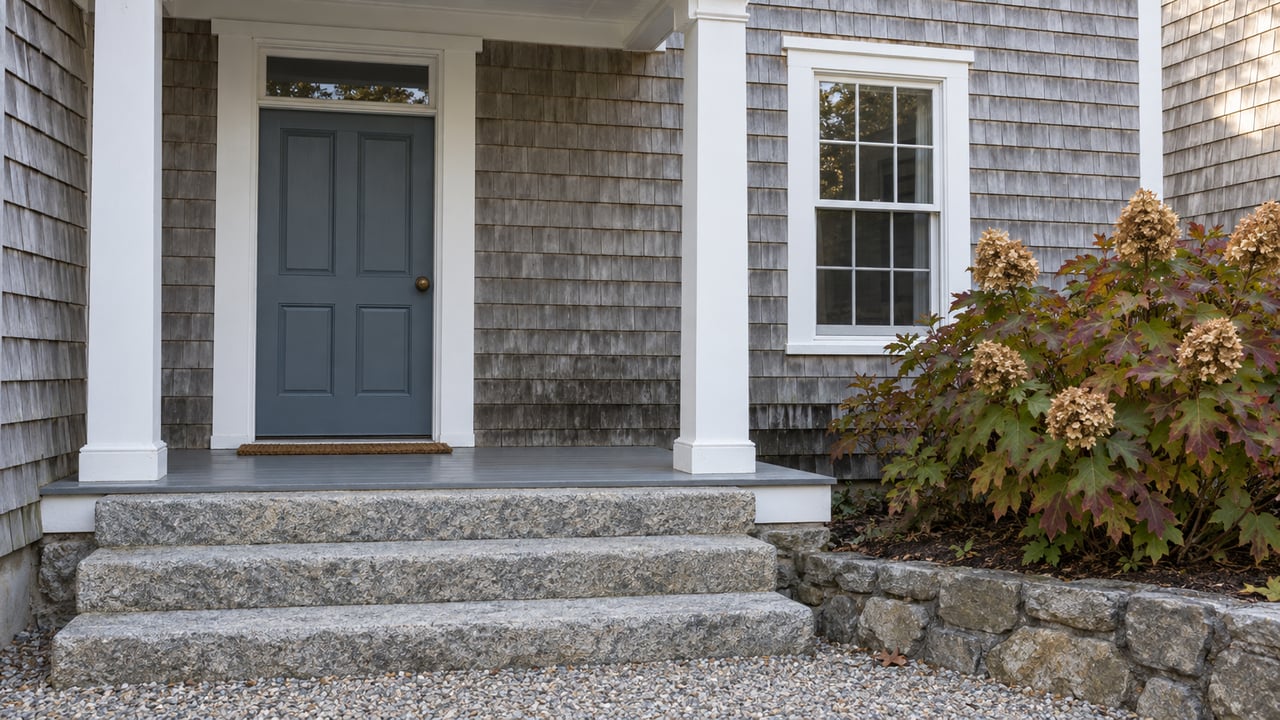
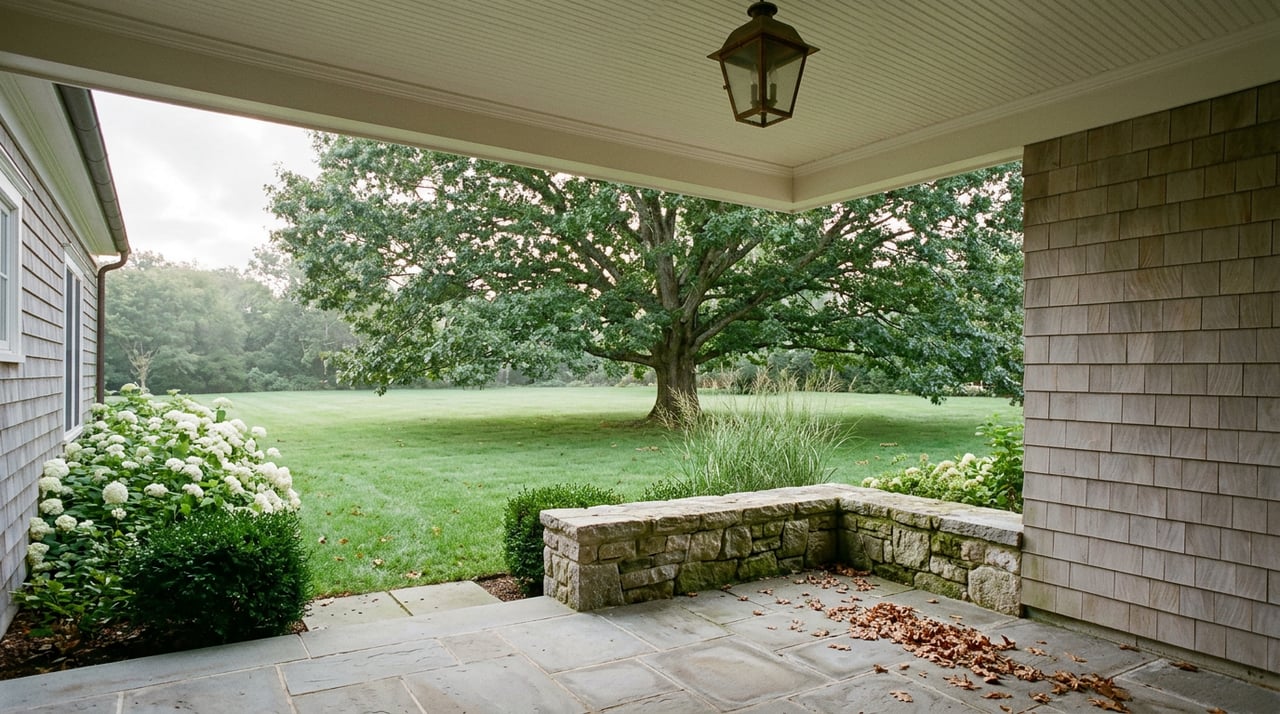
Many riverfront cottages are classic New England homes with clapboard or siding, 1 to 2 stories, and porches or screened rooms. Elevated decks face the water. Interiors often have open living spaces, mudrooms, and durable flooring suited to a sandy, wet lifestyle.
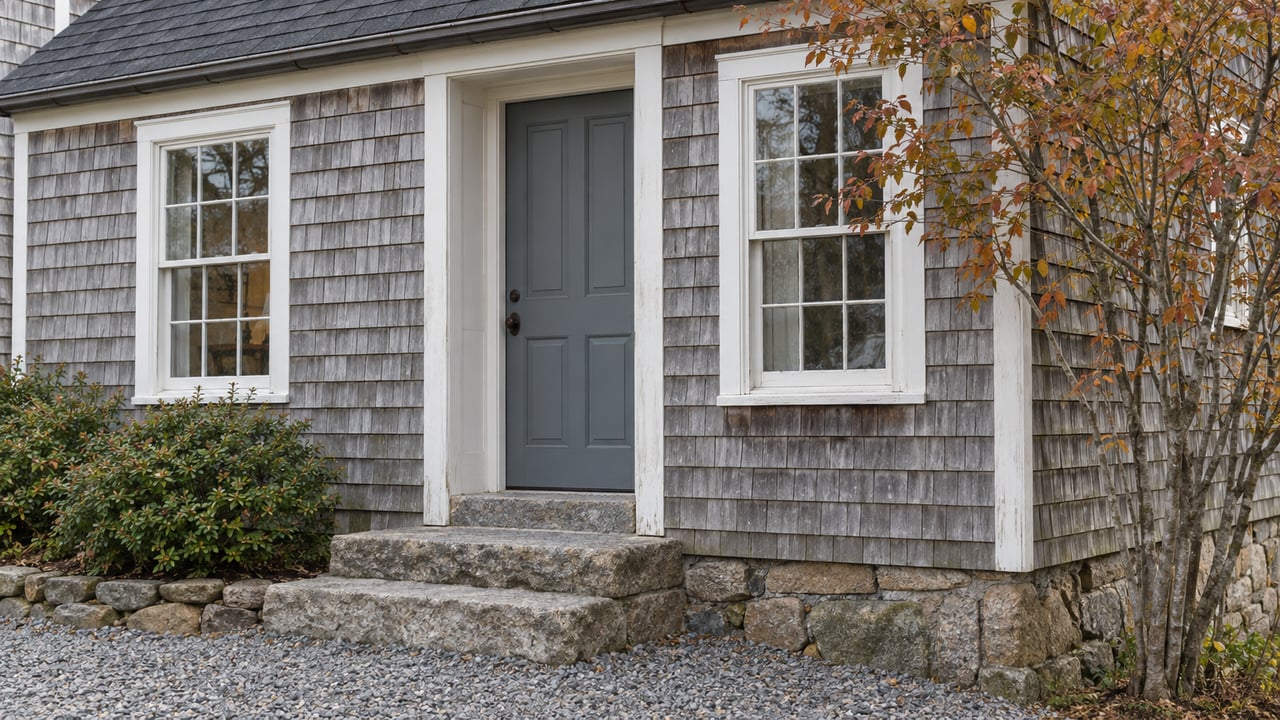
Older cottages may need upgrades for year-round comfort. Common improvements include modern HVAC or heat pumps, better insulation, moisture control, and electrical updates to handle today’s loads. If you plan to use a seasonal cottage year-round, you should plan for these investments.
Wells, septic, and utilities
Riverfront homes often rely on private wells and septic systems. Septic setback rules, system capacity, and high groundwater can affect performance and permitting. If a sale or change in use triggers code updates, older systems may need repair or replacement.
Energy sources vary. Some cottages use propane or oil, while others have upgraded to heat pumps. Winter occupancy means planning for fuel delivery, regular HVAC service, and smart dehumidification in warm months.
Docks and shoreline structures
Docks, floats, and bulkheads are common but regulated. Construction quality and condition matter for safety and future permits. In some towns, seasonal docks must be removed in winter. Expect routine maintenance like replacing worn timbers, addressing fastener corrosion, and monitoring ramps and floats after storms.
Shoreline stabilization and vegetation management can reduce erosion. These projects often require permits, and timing can be seasonal, so plan ahead.
Flood risk, maps, and insurance
Riverfront parcels in the Connecticut River valley face riverine flooding, seasonal high water, and local flash flooding after heavy rain. FEMA flood maps determine zones and whether flood insurance is mandatory for buyers with federally backed mortgages. Elevation relative to the base flood elevation can influence premiums.
Flood insurance is typically separate from homeowner’s coverage. Even if not required, it can be a smart layer of protection given river dynamics. Elevation certificates and community participation in the National Flood Insurance Program can materially affect your premium.
Permits and approvals to expect
Rules vary by town, but common authorities include:
- Connecticut Department of Energy & Environmental Protection for activities affecting wetlands and water quality.
- U.S. Army Corps of Engineers for work in federally regulated waters or wetlands.
- Local Inland Wetlands & Watercourses or Conservation Commission for town-level shoreland and watercourse permits.
- Local building, zoning, and floodplain administrators for structures in flood zones, development permits, and elevation certificates.
- Harbor master or town marine office, where applicable, for mooring permits and local boating rules.
Riparian rights typically allow reasonable water access, but exact boundaries depend on land records. A local surveyor and attorney can clarify your lot lines and rights.
Costs to budget for
Owning on the river is a lifestyle investment. Plan for:
- Insurance: homeowner’s policy plus separate flood coverage where needed.
- Maintenance: landscaping, dock upkeep, shoreline repairs, septic service, HVAC, exterior painting or siding, and seasonal winterizing.
- Utilities and fuel: electricity for AC and dehumidifiers, heating fuel or heat pump electricity, and potential marina or slip fees.
- Taxes and local fees: property taxes vary by town. If you intend to rent seasonally, check local registration or short-term rental rules.
Market and resale dynamics
River views and water access drive interest, especially among second-home and lifestyle buyers. Documented upgrades such as septic improvements, elevation changes, and bulkhead or dock work can boost confidence and resale value. Flood history, accessibility, and maintenance records are part of a well-prepared listing.
Short-term rentals are possible in some towns, but many Connecticut municipalities regulate or require registration. Always verify local rules before planning rental income.
Getting around and daily logistics
Commuting by car is common. Route 9 runs along the valley and connects to I-95 and I-91. Travel times to Hartford, New Haven, or NYC depend on your exact town and proximity to major roads. Day-to-day, you’ll rely on nearby villages for groceries, marinas, and services.
Buyer due diligence checklist
Do your homework early. Gather and verify the following:
- Title and survey confirming riparian boundaries and any recorded easements.
- FEMA flood zone designation, recent high-water history, and an elevation certificate if available.
- Recent shoreline photos and records of past bulkhead or stabilization work.
- Copies of permits for docks or shoreline projects and any open violations.
- Septic inspection, soil testing, well water results, and septic pump history.
- Full structural and systems inspection focused on foundations, moisture, HVAC, and electrical locations relative to potential flood levels.
- Local zoning rules for docks, moorings, accessory structures, and short-term rentals.
- Contacts for public launches, marinas, harbor master, and the town floodplain officer.
- Winterization logistics if the home will be seasonal, plus snow removal and caretaker options.
Build resilience from day one
A smart riverfront plan helps you enjoy the view and sleep well. Consider elevating utilities, installing flood vents in crawlspaces, and using flood-resistant materials at ground level. Keep vegetation healthy to stabilize banks, and schedule regular inspections for docks, bulkheads, and shoreline conditions.
Your next step
Living in a Middlesex County riverfront cottage offers a full summer, a quiet winter, and everyday moments that never get old. With solid due diligence and the right local guidance, you can capture the lifestyle while managing risk and cost. When you are ready to move from dreaming to doing, partner with a local expert who understands docks, flood zones, and marina markets.
If you want boutique, high-touch representation backed by decades of shoreline experience, connect with Jennifer Gurnell from William Raveis Real Estate. Jennifer blends 30+ years of local residency, top-ranked production, and modern marketing to help you find the right riverfront home and close with confidence.
FAQs
What is year-round life like in a Middlesex County riverfront cottage?
- Expect active summers on the water, colorful fall seasons, quiet winters with routine winterizing, and spring high-water awareness with faster currents and debris.
How does flood insurance work for a Middlesex County riverfront home?
- FEMA maps determine flood zones and whether lenders require coverage, and premiums depend on elevation, base flood elevation, and community participation in NFIP.
What permits might I need to add or repair a dock on the Connecticut River?
- You typically coordinate with CT DEEP, the U.S. Army Corps of Engineers, local wetlands and zoning officials, and possibly the harbor master for moorings or slips.
What are the key maintenance tasks for a Middlesex riverfront cottage?
- Plan for dock upkeep, shoreline stabilization, septic service, HVAC maintenance, dehumidification, and more frequent exterior care due to moisture exposure.
How does commuting work from river towns near Middletown?
- Most residents drive, using Route 9 to reach I-95 or I-91, with travel times to Hartford, New Haven, and NYC varying by exact town location.
What should I check about wells and septic when buying on the river?
- Verify septic capacity and setbacks, get a full septic and well inspection, confirm pump and service history, and review any requirements tied to a change in use.