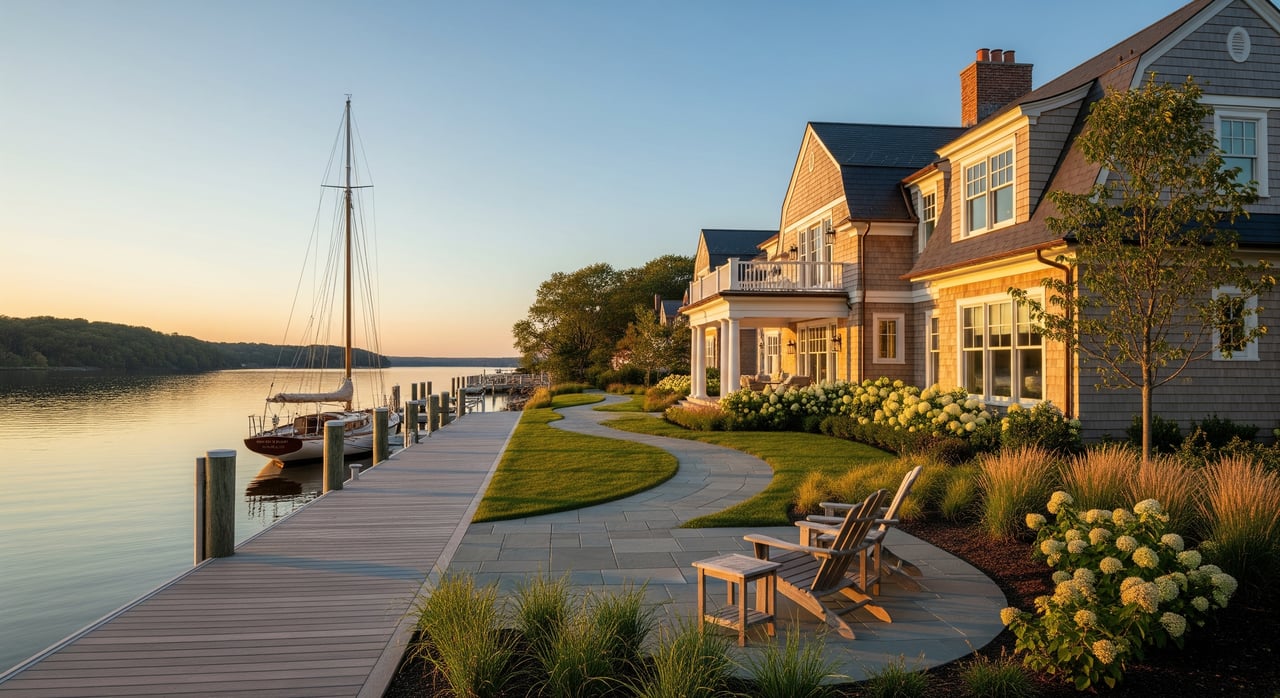
If you own a waterfront home in Middletown, you already know no two shorelines feel the same. Pricing them is just as nuanced. River depth, dock potential, flood zones and even the angle of your sunset view can swing value more than interior finishes. If you want to capture top dollar, you need a local, waterfront-specific plan. In this guide, you’ll learn the exact factors buyers pay for in Middlesex County, how to select the right comps, and what documents to gather so your price is both ambitious and defensible. Let’s dive in.
What makes Middlesex waterfront unique
Waterfront in Middlesex County spans the Connecticut River, tidal estuaries near the Sound, and smaller inland rivers and ponds. Middletown sits directly on the Connecticut River, which behaves differently from oceanfront or a quiet pond. Treat “waterfront” as a set of distinct product types, not a single category. Your pricing should reflect the waterbody type, navigability, flood exposure and neighborhood setting.
Middletown’s Connecticut River frontage
On the main river, buyers prioritize view corridors, dock rights and water depth for small boats. Parts of the river are tidal, which can affect access and permitting for docks and shoreline work. The buyer pool often includes boaters and those who value river views and access to services. Confirm whether your specific stretch is tidal and the typical depth at your shoreline.
Inland ponds and smaller rivers
Non-tidal ponds and streams are usually shallower and quieter. Private docks may add less value if navigation is limited. These homes attract buyers who want peaceful views, fishing or paddling more than power boating. Price positioning should reflect that narrower boating use.
Neighborhood context matters
An urban riverfront location near Middletown’s amenities will price differently than a rural parcel with a long driveway and large acreage. Permanent conservation or protected shoreline can offer lasting views but limit improvements. Your micro-market is the lens for pricing decisions.
The key valuation drivers buyers pay for
Type of waterfront and navigability
Deep, navigable water that supports boating draws a wider buyer pool and higher premiums than shallow or marsh-front frontage. Verify water depth, tidal influence and navigation using reliable charts and local knowledge. Tie your price to the real boating experience at your property.
Direct access vs. view-only
There is a meaningful premium for direct, private shorefront with legal access over a home that only has a view. Deeded rights, recorded easements and the presence and condition of stairs or a dock matter. Confirm rights and improvements before you price.
Quality and orientation of the view
Panoramic, unobstructed views from key living spaces are worth more than small or blocked sightlines. Consider sun exposure and whether future development could impact your view. Photo surveys from main rooms help document this value.
Dock, mooring and boat facilities
A private, properly permitted dock in good condition is a high-value amenity when paired with sufficient depth. Lift systems, slip size and maintenance history add or subtract. Always confirm permit status and upland rights before marketing a dock as an asset.
Flood risk, FEMA zone and insurance
Flood zones and elevation affect mortgageability and operating costs. Under FEMA’s Risk Rating 2.0, premiums have changed for many properties, so current quotes matter for pricing. Elevation certificates and recent insurance quotes help buyers understand carrying costs.
Shoreline protection and erosion
Bulkheads, revetments and riprap can preserve value but may require permits and maintenance. Undeveloped, eroding shoreline is a negative. Document condition, permits and any recent work to reduce uncertainty.
Property condition and functional issues
Near-water systems like docks, stairs, seawalls, septic and wells can be expensive to repair. Buyers discount for deferred maintenance. Pre-list inspections or contractor estimates help you control the narrative.
Lot size, frontage and usable upland
Longer frontage and ample upland outside wetlands or floodplain are more valuable. A narrow strip near the high-water mark with limited upland is less desirable. A current survey and wetlands delineation clarify this for buyers and appraisers.
Legal rights and restrictions
Riparian rights, conservation easements, HOA rules and state or municipal shoreline regulations directly impact use and future improvements. Gather deeds, permits and association documents so your list price reflects what buyers can actually do.
Market conditions and buyer profile
Inventory, seasonality and whether buyers are seeking boating access or simply a serene view all influence sensitivity to price. Track local waterfront days on market and closed sale trends to set expectations.
Utilities, septic and access
Homes without public sewer or accessed by private roads can be harder to finance and may sell at a discount. Septic proximity to the shoreline can trigger replacement or restrictions. Bring clear records to the table.
Climate risk and future perception
Sea-level and storm concerns are part of many buyers’ decision-making. Higher elevation and resilience measures can support firmer pricing. Provide credible documentation so buyers can judge risk confidently.
A step-by-step pricing workflow for Middletown sellers
Step 1: Build the right comp set
Start with closed sales from the last 6 to 12 months, extending to 12 to 24 months only if recent data is thin. Prioritize properties on the same water type, with similar dock status, frontage length, usable upland and flood zone. When necessary, include nearby Middlesex towns with similar river characteristics and adjust carefully for differences.
Step 2: Make targeted adjustments
Adjust for dock existence and condition, water depth, view quality, frontage length, lot size, flood zone and insurance costs, shoreline protection, home and dock condition, septic or well issues and deeded rights. Heuristics sellers often see: direct private deep-water access vs. view-only can add roughly 10 to 50 percent, a permitted dock in good condition can add about 5 to 30 percent, panoramic views can add 10 to 25 percent, and significant flood risk can reduce value by 10 to 40 percent or more. Document the logic and evidence behind every adjustment.
Step 3: Quantify insurance and carrying costs
Convert expected flood insurance premiums into monthly or annual carrying costs to gauge buyer sensitivity. Obtain current quotes and have an elevation certificate ready when applicable. Clear cost data supports a stronger price position.
Step 4: Package your permits and story
Present elevation certificates, dock permits, shoreline work records and recent repair invoices in a simple digital packet. High-quality photography, drone video and twilight shots can increase attention and reduce days on market. A well-documented property often justifies a firmer ask and a smoother appraisal.
Step 5: Validate and adjust quickly
Waterfront attracts a smaller but focused buyer pool. Monitor showings-to-offers and feedback in the first two weeks. If qualified buyers praise the view but question flood costs or dock status, refine the price or expand documentation fast.
Documents and prep that strengthen price
- Current survey showing waterfront frontage and usable upland boundaries.
- Deed confirming riparian rights and any easements.
- Recent elevation certificate and a flood map printout for the parcel.
- Permits for any existing dock, seawall, revetment or shoreline work.
- Coastal or tidal-wetlands permits, if applicable.
- Septic inspection and pumping records, plus well test results.
- Dock condition report or contractor estimate for repairs.
- Optional pre-list home inspection to reduce surprises.
- Current homeowners and flood insurance quotes.
- Completed Connecticut Residential Property Condition Disclosure.
Local notes on permits and insurance
Before you promise dock potential or advertise a shoreline structure, verify permitting and compliance. Unpermitted docks or shoreline work can reduce buyer confidence and price. If your property is in or near a Special Flood Hazard Area, most lenders will require flood insurance. Because Risk Rating 2.0 changed how premiums are calculated, rely on fresh quotes and an elevation certificate to help buyers see the full picture.
Marketing your waterfront to support price
Great marketing cannot fix a bad price, but it can help you maximize a good one. Invest in drone and waterside photography that highlights view corridors, usable upland and any permitted dock. Feature documents that answer hard questions up front, including permits, elevation data and insurance quotes. The goal is to replace uncertainty with clarity so buyers feel confident stretching for your home.
Ready to price your Middletown waterfront?
Pricing a waterfront home in Middletown is equal parts data and shoreline know-how. When you pair the right comp set with clean permits, flood documentation and strategic marketing, you give buyers reasons to pay a premium. If you are planning a sale, align early on depth, dock status and flood exposure, then build a clear pricing story. For tailored guidance and a white-glove plan to bring your property to market, connect with Jennifer Gurnell.
FAQs
How do I define direct waterfront access in Middletown?
- Direct access means legal, private shorefront with documented riparian rights and a safe path or structure to reach the water; verify via deed, recorded easements and existing permits.
How do FEMA flood zones impact price and loans for riverfront homes?
- Properties in Special Flood Hazard Areas typically require flood insurance for mortgages, and higher premiums can reduce buyer demand, so obtain an elevation certificate and current quotes to price accurately.
Does adding a dock always increase value on the Connecticut River?
- A properly permitted dock in good condition often adds value when paired with sufficient depth and navigability, but restrictions, tidal range and maintenance needs can limit the premium.
How far back should I go for waterfront comps in Middlesex County?
- Use closed sales from the last 6 to 12 months when possible, extending to 12 to 24 months only if inventory is thin and adjusting carefully for differences in water type, dock status and flood exposure.
What should I do if my shoreline needs repair before listing?
- Obtain contractor estimates and confirm permit requirements before doing work; if you defer repairs, disclose the issue with estimates so buyers can price it in rather than over-discounting.