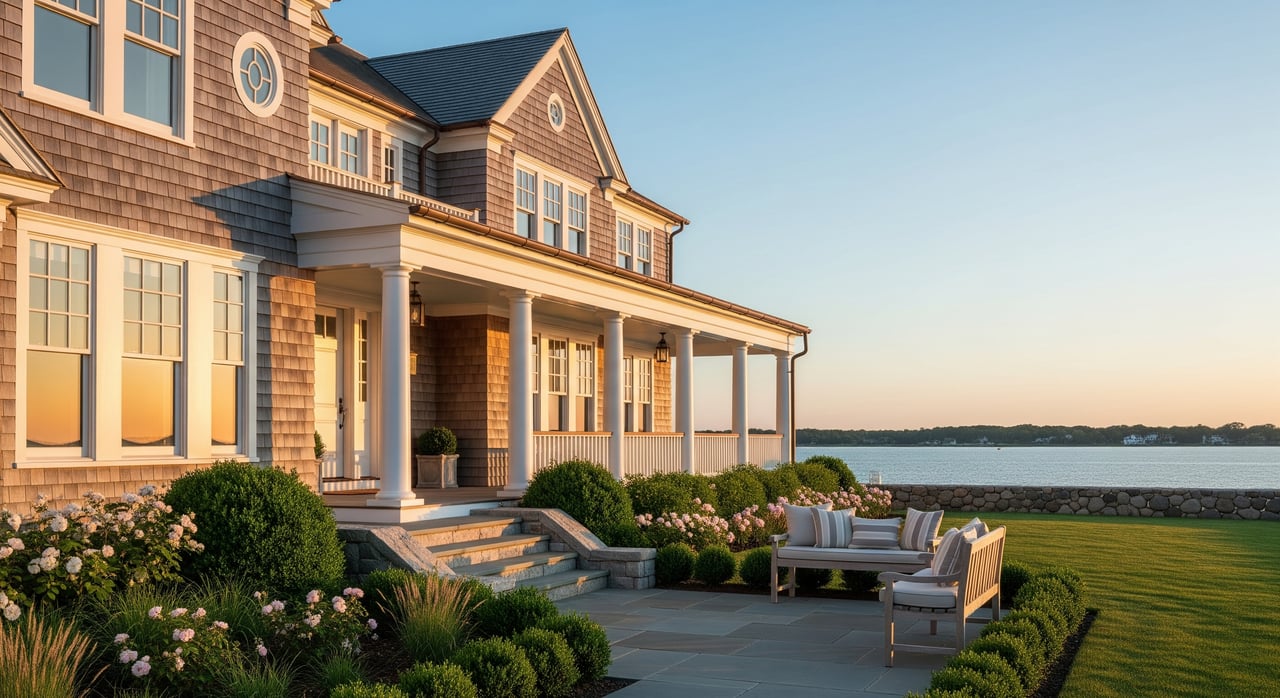
Picture yourself sipping coffee on a breezy porch with a peek of Long Island Sound. If you are drawn to Fairfield County’s shoreline but not sure which home style matches your lifestyle or how to plan for coastal upkeep, you are in the right place. You will learn how to spot the main architectural styles, what they are like to live in, and what to consider for maintenance, insurance, and curb appeal. Let’s dive in.
Why Fairfield County coastal homes stand out
Fairfield County’s shoreline grew from a blend of 19th-century resort enclaves, Gilded Age estates, and modern commuter suburbs. That history created a mix of beach cottages, grand Shingle Style homes, and updated traditional houses alongside contemporary builds. The common thread is a focus on light, outdoor space, and easy access to the water.
The environment also shapes design. Salt air, wind, and flood risk push owners to use resilient materials and smart systems. Local and state rules guide what you can build or renovate near the water, which makes planning key for buyers and sellers.
Coastal styles you will see
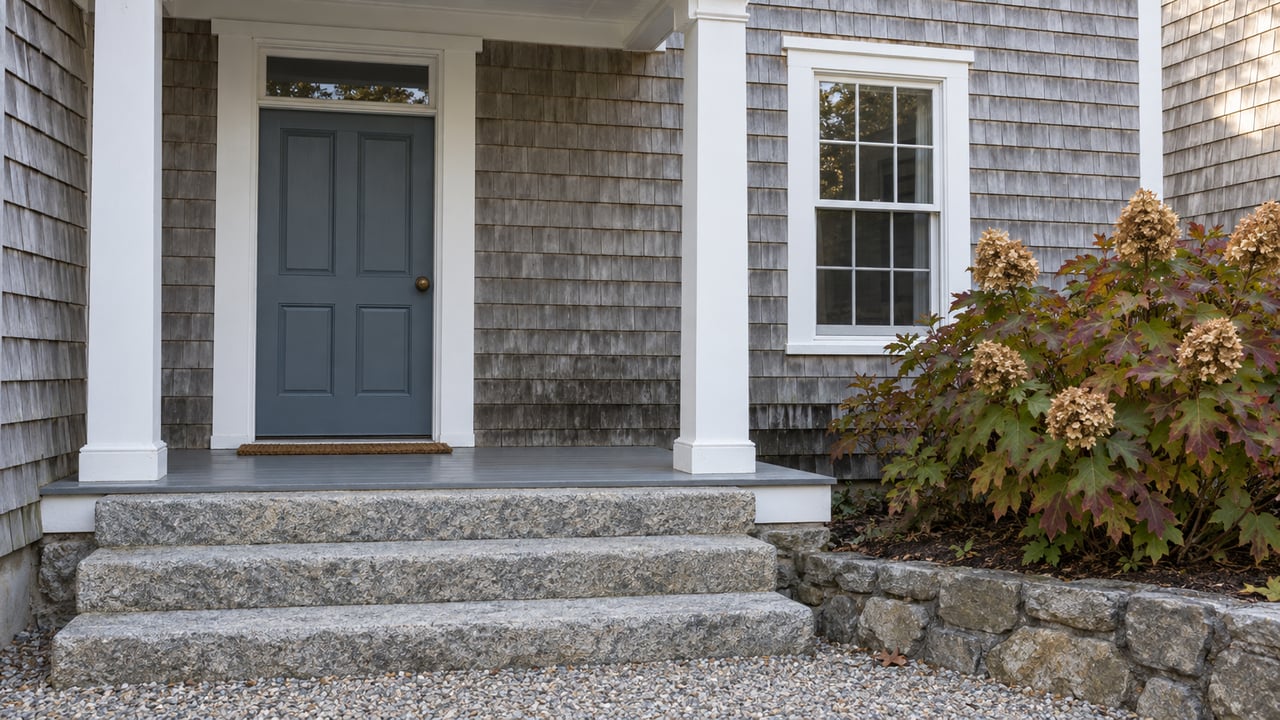
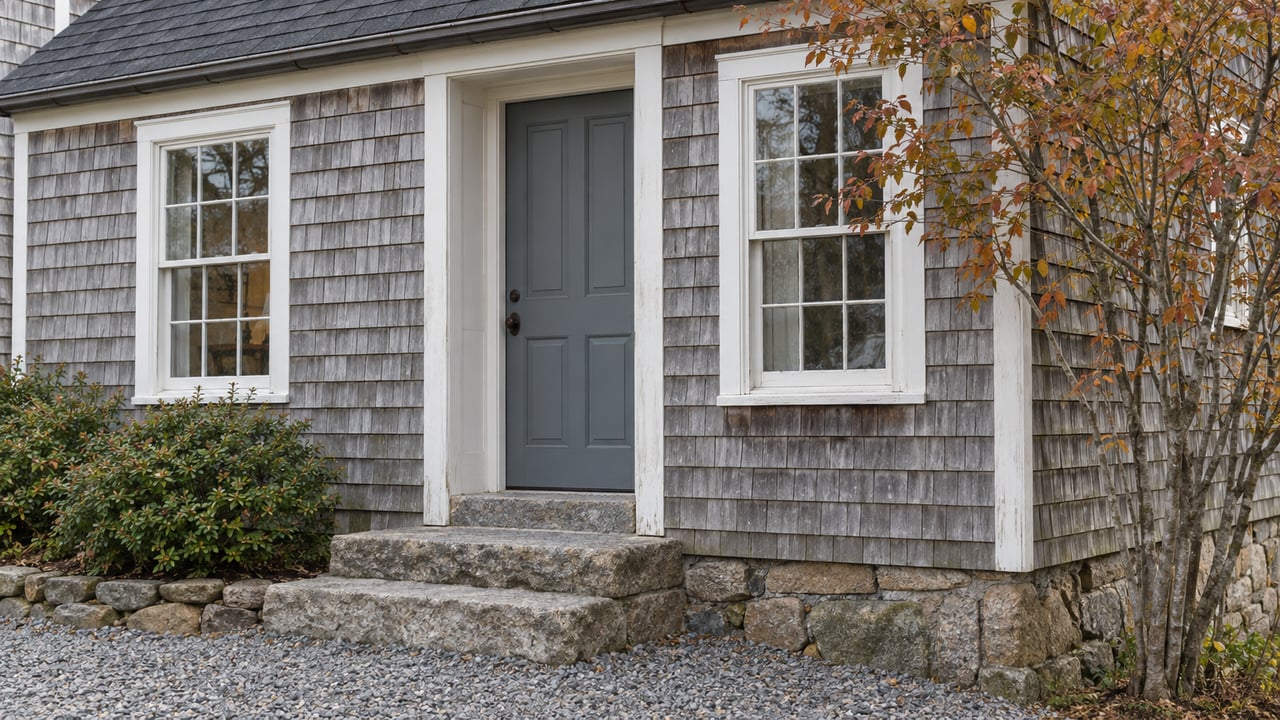
Cape Cod and cottage
You will recognize these by steep gables, dormers, central chimneys, and cedar shingles or clapboard. Many have compact footprints and cozy porches or small decks facing the water. Interiors often keep the charm of dormer bedrooms and attic storage while opening main rooms for better flow.
- Buyer fit: You want an authentic beach-house feel, a smaller maintenance profile, and a simpler entry point to shore living. Great for weekenders, downsizers, or first-time coastal buyers.
- Where found: Older beach neighborhoods and village settings, including Fairfield Beach, the Compo Beach area of Westport, and Rowayton.
- What buyers expect: Updated kitchens and baths, good HVAC and dehumidification, and outdoor living upgrades like rinse areas or showers.
Shingle Style and Gilded Age seaside
Think sweeping gambrel and complex rooflines, unpainted or stained shingles, and large wraparound porches. These homes were built for summer leisure and later adapted for year-round life. Interiors often include generous rooms, built-ins, and high ceilings, with many homes modernized while keeping original detail.
- Buyer fit: You value historic character, presence, and curb appeal in higher-end markets, and you are comfortable with thoughtful preservation.
- Where found: Greenwich, Westport, and parts of Darien as well as older shoreline enclaves with resort roots.
- What buyers expect: Preservation-minded updates, historically sympathetic materials, and premium finishes.
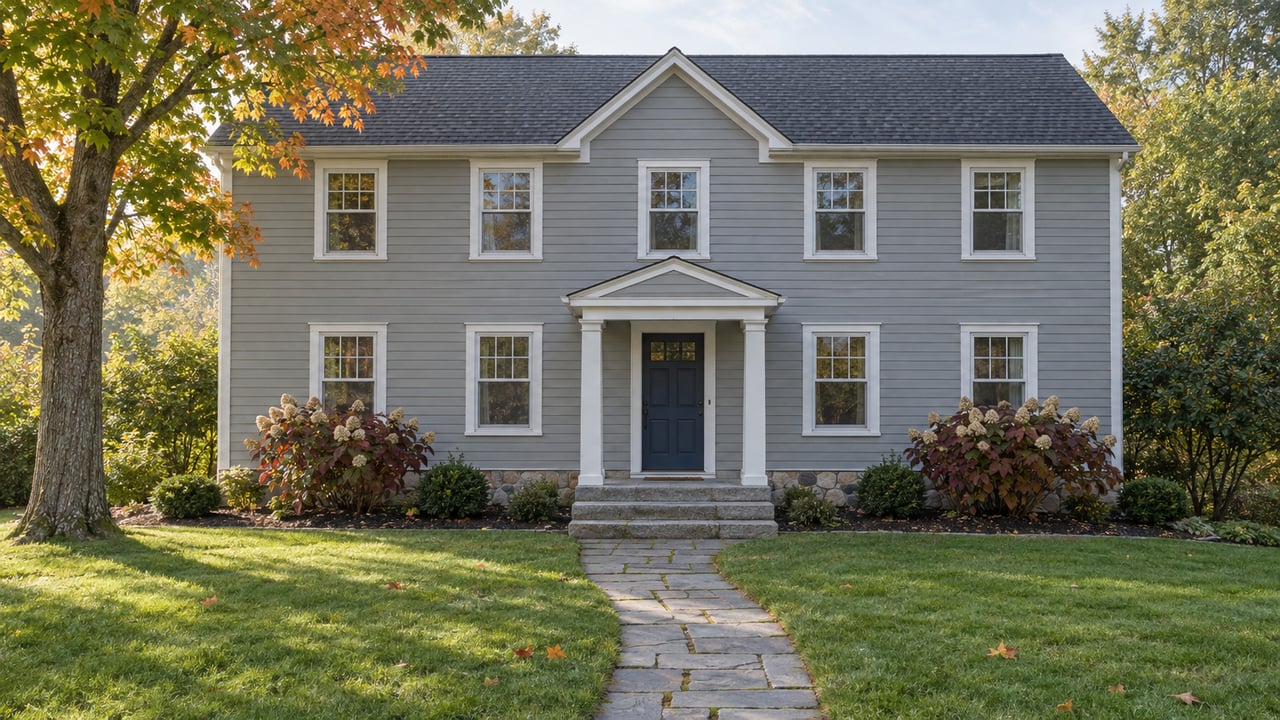
Colonial Revival, Georgian, and saltbox
These styles feature symmetrical façades, clapboard siding, and classic gabled roofs. Saltbox variants extend the rear roofline for a distinct New England silhouette. Interiors range from formal, central-hall plans to modernized layouts with open gathering spaces.
- Buyer fit: You want a traditional New England look with lasting curb appeal and a layout that can flex for modern living.
- Where found: Across shoreline and inland neighborhoods in most towns.
- What buyers expect: Quality exterior maintenance and balanced updates that respect traditional detailing.
Modern and contemporary coastal
Look for clean lines, big windows, and seamless indoor-outdoor living. Materials may include cedar, cement board, metal roofing, and large sliders to decks. Plans favor open kitchens, tall ceilings, and view-centric design.
- Buyer fit: You prioritize light, views, and low-maintenance materials with efficient systems. This often appeals to professionals who commute and want amenities.
- Where found: Newer infill along the Sound, replacement builds on older lots, and inland areas that borrow a coastal aesthetic.
- What buyers expect: Turn-key systems, impact-rated or storm-ready windows, and outdoor rooms that extend living space.
Bungalow, Craftsman, and mid-century modest
You will see low, horizontal lines, tapered porch posts, and exposed rafters on Craftsman homes, and simple ranch forms from the mid-20th century. Inside, many offer single-level living and renovation potential.
- Buyer fit: You want accessible layouts, a simpler footprint, and value-add renovations at approachable price points.
- Where found: Post-war neighborhoods near beaches and along commuter corridors countywide.
- What buyers expect: Smart updates that keep porch charm, improved energy performance, and easy-care finishes.
Resilience, permits, and insurance basics
Coastal living comes with specific risks and rules. Understanding them early helps you plan budgets, timelines, and design choices.
- Flood maps and insurance: Check the FEMA Flood Map Service Center to confirm a property’s flood zone. Flood zones can affect lending requirements and premiums under the National Flood Insurance Program. Review elevation certificates and plan for mitigation where needed. Explore the FEMA Flood Map Service Center and FEMA flood insurance guidance.
- Sea level rise context: Use regional projections to understand long-term exposure and plan improvements. UConn’s CIRCA provides localized tools, and NOAA’s viewer helps visualize scenarios. See UConn CIRCA resources and the NOAA Sea Level Rise Viewer.
- Shoreline permitting: Docks, seawalls, bulkheads, and living shoreline projects often need state approval and sometimes local permits. Start with the Connecticut DEEP coastal programs for guidance.
- Historic oversight: In designated districts, exterior changes may require review. Begin with the Connecticut State Historic Preservation Office and your town’s commission before planning visible alterations.
- Community rating savings: Some towns participate in the FEMA Community Rating System, which can reduce flood insurance costs. Learn how participation works via the FEMA CRS program.
Smart materials and systems for shore homes
Coastal wear happens faster, so materials matter. Cedar shingles and clapboard give authentic texture but require steady upkeep. Fiber-cement siding and engineered wood mimic the look with less frequent repainting. Composite decking holds up well on sunny, salt-exposed decks. Use stainless or hot-dip galvanized fasteners, and choose roofing designed for wind resistance with proper flashing.
Windows and doors are key. Impact-rated units can reduce storm damage risk and may support insurance decisions. In historic homes, storm shutters or panels are an alternative to full impact glass. Place HVAC, electrical panels, and mechanicals above anticipated flood elevations and consider flood vents or breakaway walls where applicable.
Low-maintenance curb appeal tips
You can add value quickly by focusing on the approach, the envelope, and outdoor living.
- Emphasize views: Trim plantings to open sightlines to water and entries. Keep walkways clear and simple.
- Refresh finishes: Repair failing paint or stain. Where appropriate, consider fiber-cement or properly finished cedar. Use composite decking on high-traffic areas.
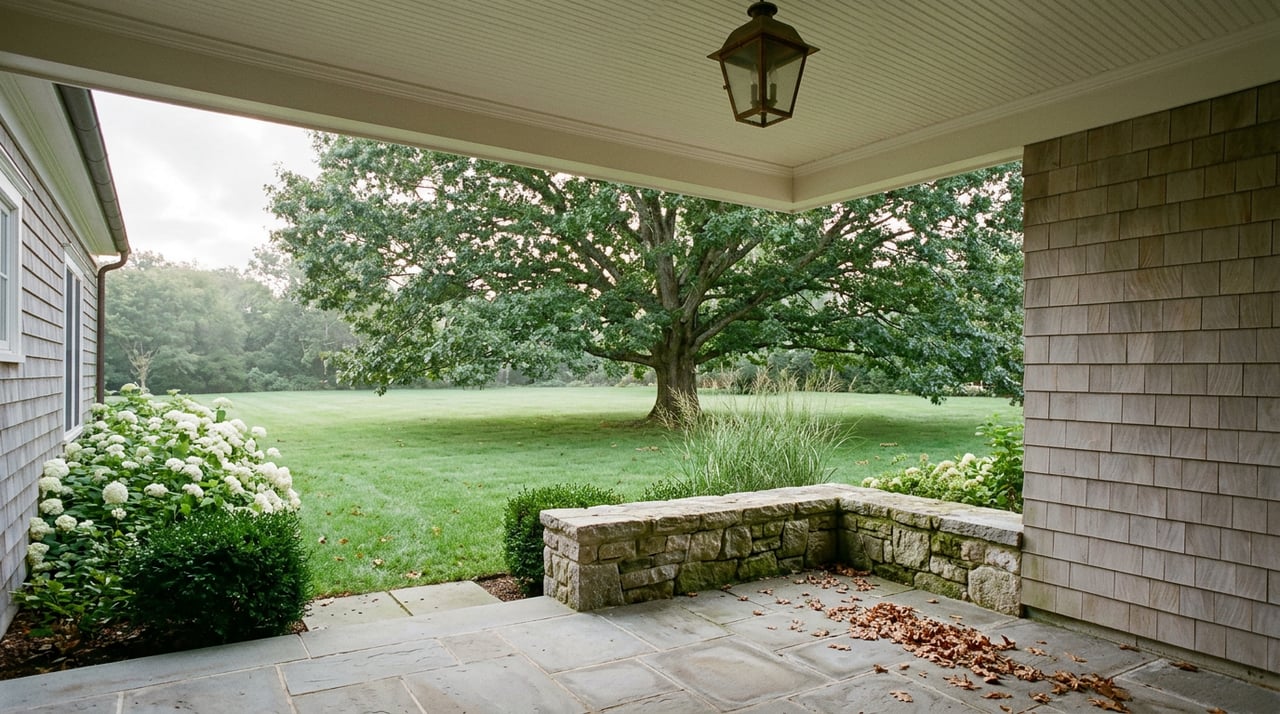
- Outdoor rooms: Create a clean, well-lit deck or patio, add an outdoor shower for beach use, and carve out a dining area with durable furnishings.
- Landscape smart: Choose salt-tolerant native plants, mulch beds, and clear paths for a tidy, low-maintenance look.
Style-by-style quick wins
- Cape and cottage: Soft whites, grays, or muted blues; simple shutters; window boxes; compact porch seating; well-placed rinse or shower by the side entry.
- Shingle Style: Preserve natural shingle patina or use high-quality stain; highlight porches, dormers, and balustrades; frame the façade with low plantings.
- Colonial Revival: Symmetrical lighting and plantings; classic entry hardware; crisp clapboard and balanced trim colors.
- Modern and contemporary: Clean lines and restrained plant palettes; glass or cable railings to protect views; integrated path and step lighting.
- Bungalow and Craftsman: Showcase porch craftsmanship with fresh lighting and restored tapered posts; keep colors warm and inviting.
A simple coastal maintenance checklist
- Inspect exterior paint or stain annually for salt-driven wear.
- Check decks and railings for corrosion at fasteners and replace failing boards.
- Keep gutters clear and move runoff away from the foundation.
- Schedule periodic inspections for foundations, bulkheads, and seawalls where present.
- Service HVAC regularly, including coils exposed to salt air; consider dehumidification.
- Monitor attics and crawlspaces for moisture and pests.
Buyer and seller playbook
If you are buying, verify flood zone status early and review elevation data. Consider a structural or coastal engineer for waterfront lots to check bulkheads, seawalls, or docks. Prioritize window, roof, and siding condition, and note the location of mechanical systems relative to potential flood elevations.
If you are selling, feature outdoor living and coastal lifestyle in your listing prep. Freshen exterior finishes, update corroded hardware, and stage porches or decks. If the home sits in a mapped flood zone, gather elevation certificates and documentation on mitigation work. Have permitting records for past shoreline projects ready to speed buyer diligence.
Commuting and lifestyle context
Many shoreline buyers balance coastal living with access to New York City. Metro-North’s New Haven Line serves Fairfield County towns and shapes expectations for commuter-friendly homes and amenities. For schedules and service details, see Metro-North Railroad.
Ready to match a Fairfield County home style to your life, and plan upgrades that stand up to the coast? Whether you are listing a beach cottage or searching for a contemporary waterfront, you can move forward with confidence and a clear plan.
If you would like local guidance on styles, flood considerations, marina access, and marketing strategy, reach out to Jennifer Gurnell. Let’s connect and map your shoreline path.
FAQs
What defines coastal home styles in Fairfield County?
- A mix of historic resort-era cottages and Shingle Style homes alongside Colonial Revival and modern builds, all shaped by shoreline setting and commuter context.
How do I check flood risk before buying in Fairfield County?
- Review a property’s zone in the FEMA Flood Map Service Center and discuss insurance options using FEMA’s flood insurance guidance.
Do I need permits for docks, seawalls, or shoreline work in Connecticut?
- Most waterfront structures require review, so start with the Connecticut DEEP coastal programs and your local town office for specifics.
What materials balance coastal authenticity with low maintenance?
- Fiber-cement siding, composite decking, and stainless or hot-dip galvanized fasteners provide durability while respecting traditional looks when used thoughtfully.
How important are outdoor living spaces to Fairfield County buyers?
- Very important, as buyers prioritize usable decks, porches, and easy beach or water access, which often influence final decisions.